
Journeys & Encounters · Place profile
Bayeux: A Norman, not a pagan Viking, context
In Brief
Bayeux is indispensable for understanding the Norman world at the conventional end of the Viking Age. Its embroidered narrative of 1066 is not a neutral photograph of events, but it preserves extraordinary detail about ships, equipment and political storytelling.
On this page
A Norman, not a pagan Viking, contextReading embroidery as evidenceThe town and the objectSourcesPresent-day location: France · Western Europe
Names and search variants: Bayeux · Bayeux Tapestry · Bessin · 1066
Browse places by country →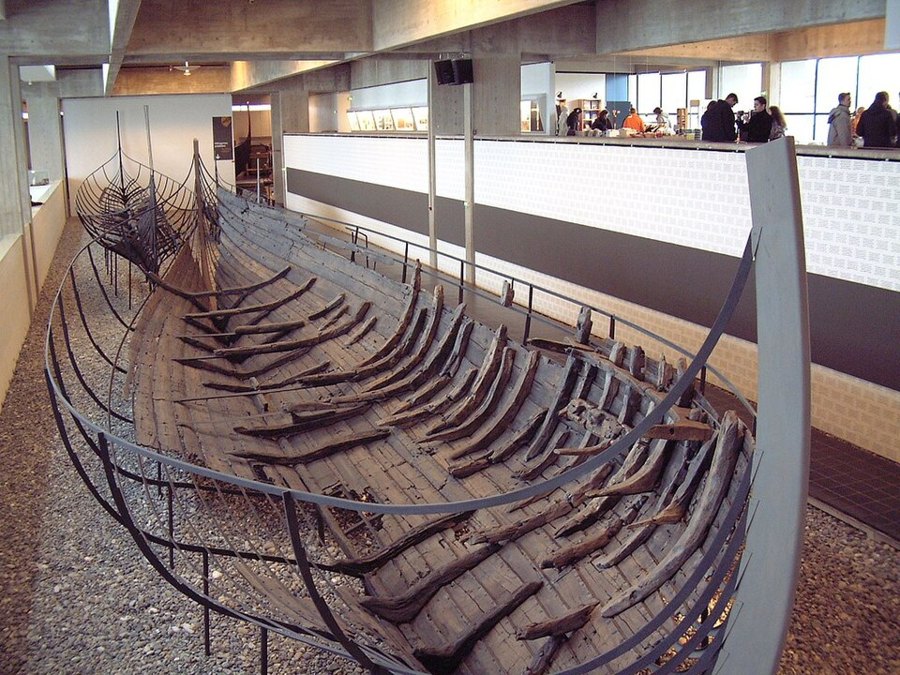

A Norman, not a pagan Viking, context
The conquest depicted in the Bayeux Tapestry was led by William, duke of Normandy. His society had Scandinavian roots but had developed through generations of Christian, French-speaking and cross-Channel political life. Calling the whole army simply Vikings conceals more than it explains. Bayeux therefore belongs in this guide as a place of transformation and legacy.
Reading embroidery as evidence
The object commonly called a tapestry is embroidery on linen. Its scenes include shipbuilding, loading, sailing and conflict, alongside an argument about legitimate rule. Details can inform research without being literal illustrations of every event. Selection, sequence and omission all matter. A ship scene can be compared with archaeological hulls; it should not replace them as a technical drawing.
The town and the object
Bayeux has its own urban and religious history beyond the famous embroidery. Modern museum displays and later buildings frame how that history is encountered today. Access arrangements can change, so consult the museum rather than assuming that a photographed gallery remains open. Whether viewed in person or through the museum’s digital presentation, the work is most rewarding when read as a carefully constructed historical narrative.
Explore more Viking-Age places →
The Evidence
The sources below support this article. Interpretations and limits are explained in the text; this is not an exhaustive research review.