Gods & companions
Thor
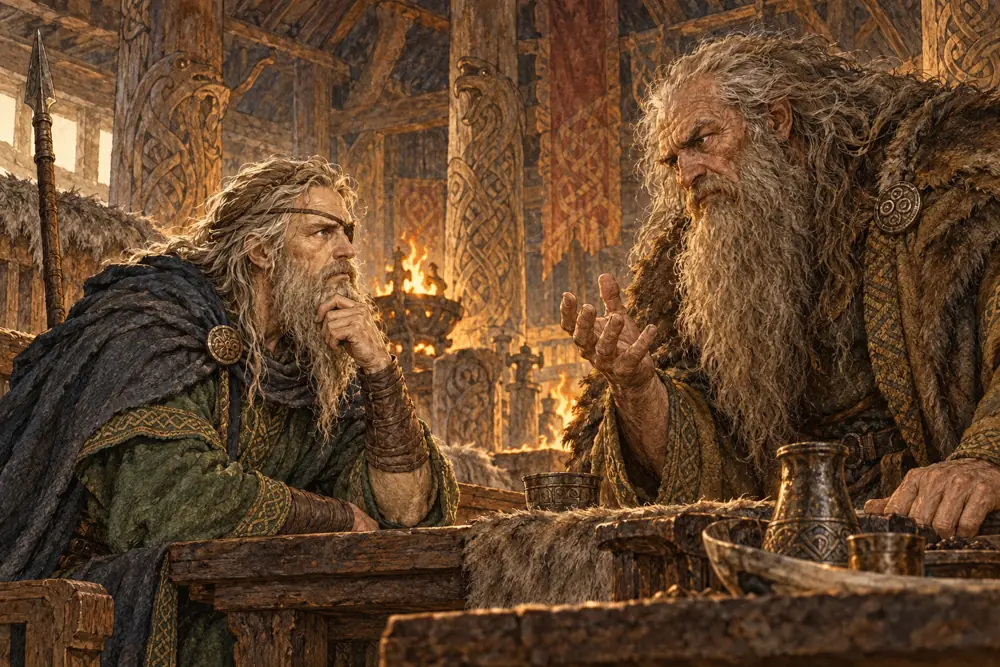
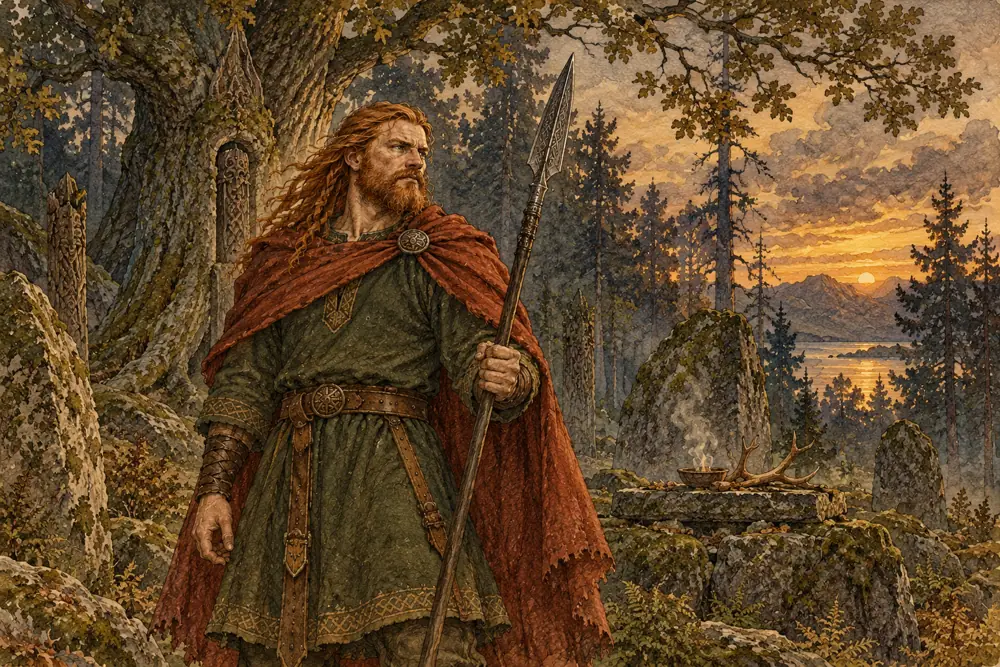
The protector who meets the limits of strength
Meet Thor ↗The northern imagination
New in-depth guide: Four ways to read a Norse myth more deeply ↓
Meet the figures of Norse mythology. Choose a name, follow their stories, and discover what the surviving sources actually say.
72 figure guides · 52 stories & episodes · Illustrated throughout
The Eddas preserve different voices, contradictions, and gaps. Some figures have long adventures; others survive in a few lines. Giants, companions, and creatures are included alongside the gods, with their roles explained. Read about the sources.
Begin with a name
Open a figure’s page for their background, pictures, and linked stories. Many beings cross the boundaries between groups.
All figures and stories are shown.
Gods & companions
The protector who meets the limits of strength
Meet Thor ↗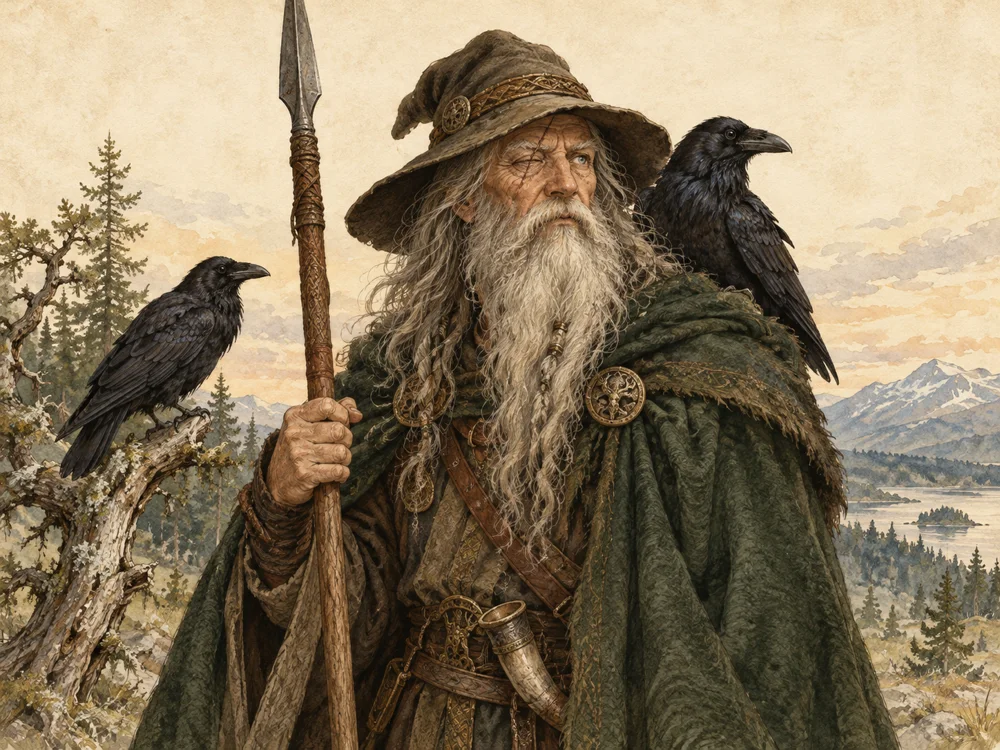
Gods & companions
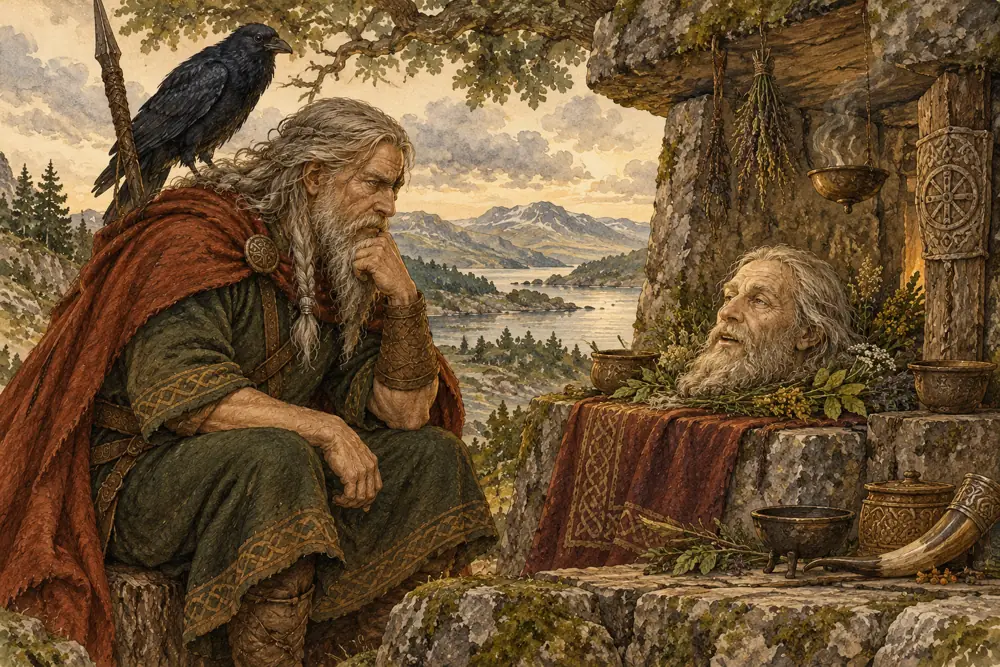
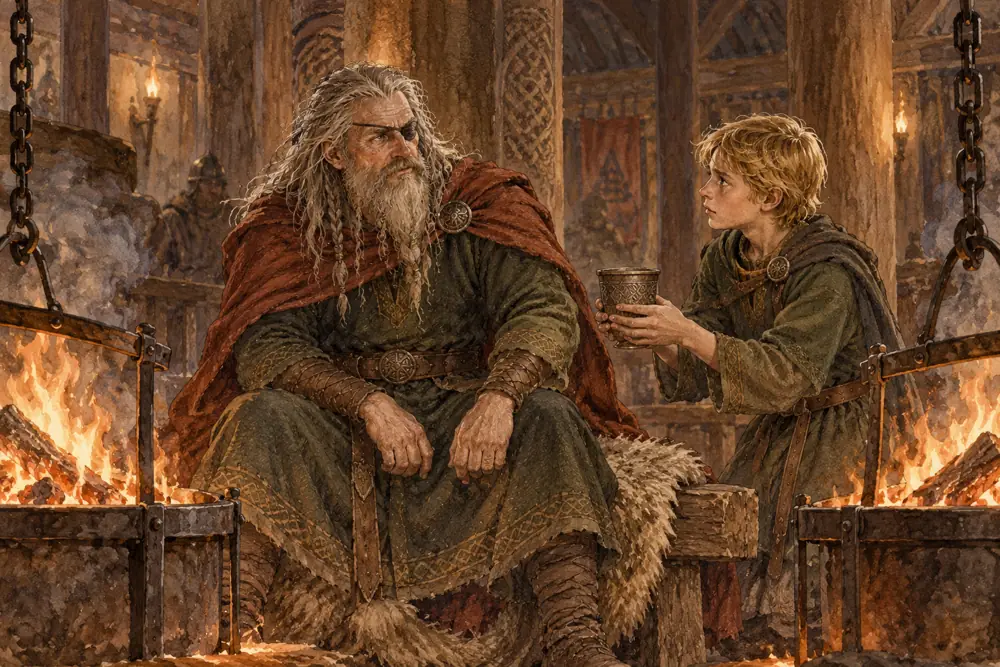
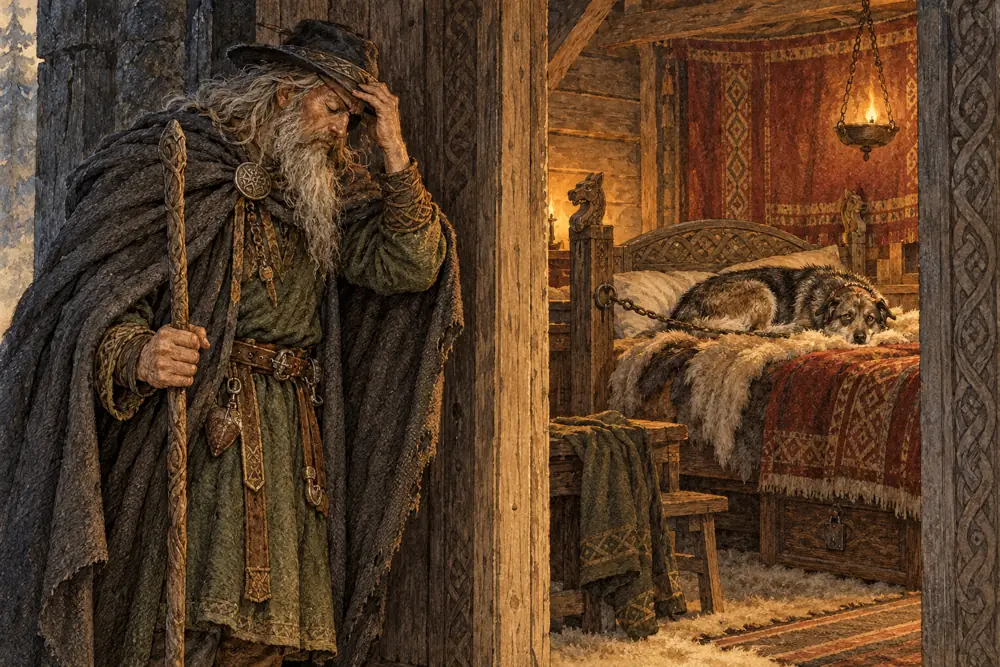
Knowledge bought at a dangerous price
Meet Odin ↗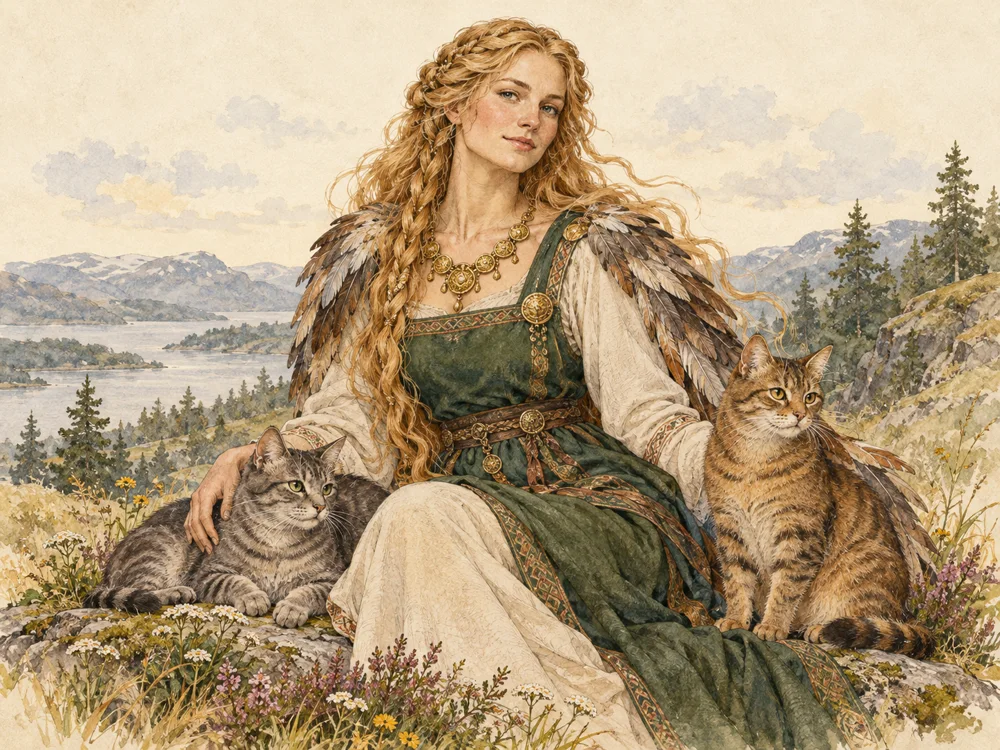
Vanir
Desire, magic, wealth and a share of the slain
Meet Freyja ↗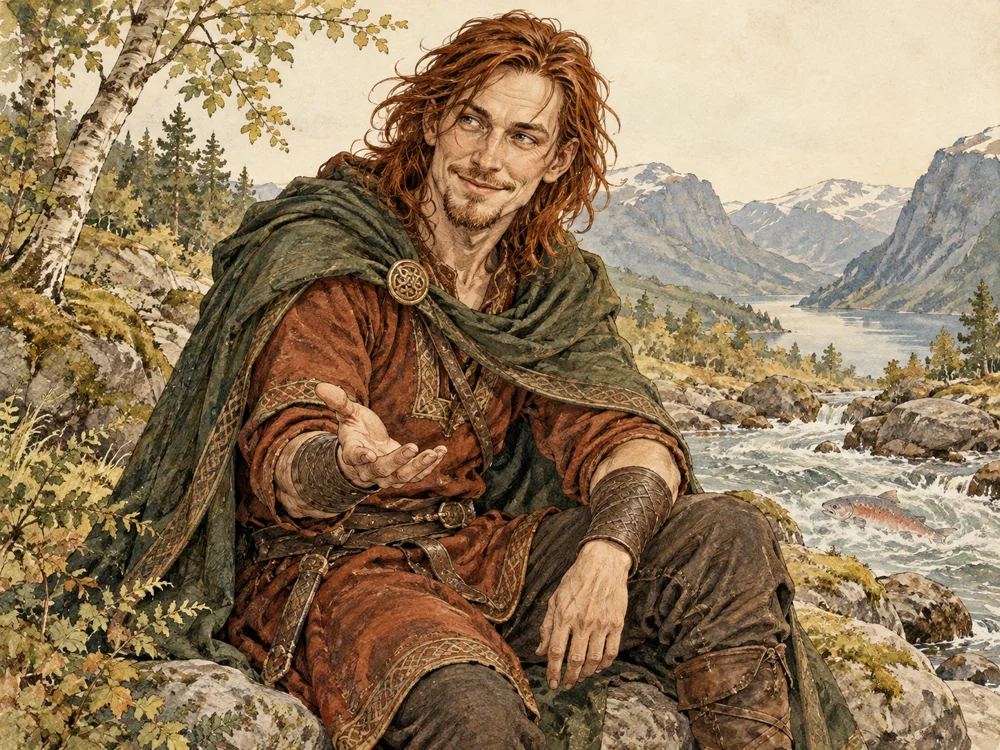
Gods & companions
The companion whose ingenuity becomes catastrophe
Meet Loki ↗
Gods & companions
Foreknowledge, protection and the grief of a mother
Meet Frigg ↗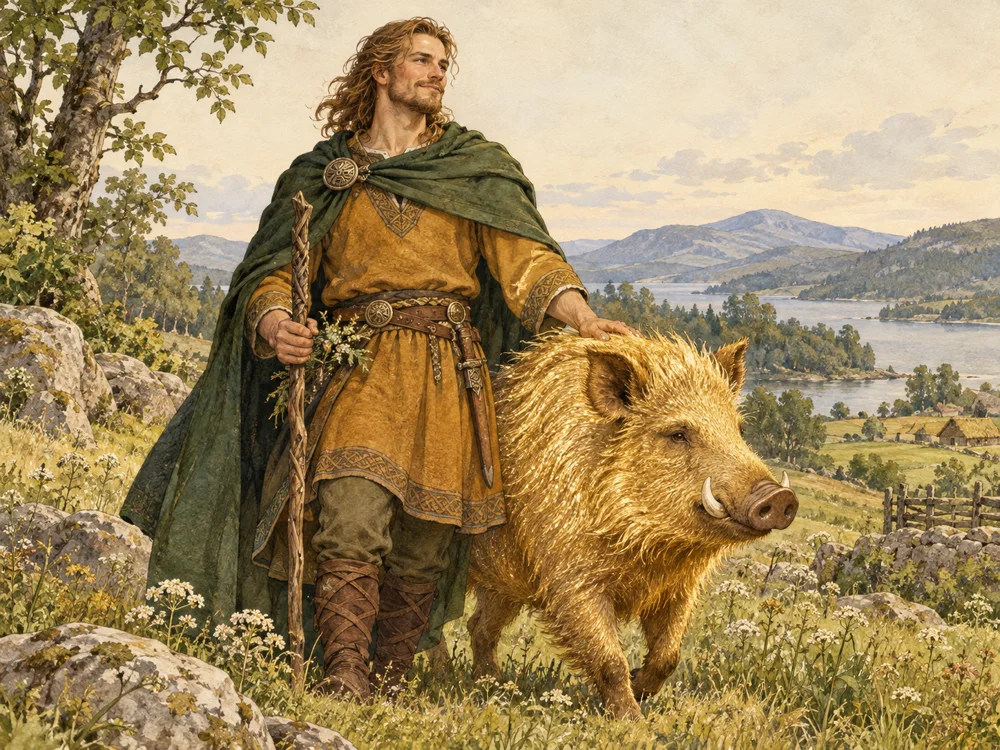
Vanir
Prosperity, desire and the sword given away
Meet Freyr ↗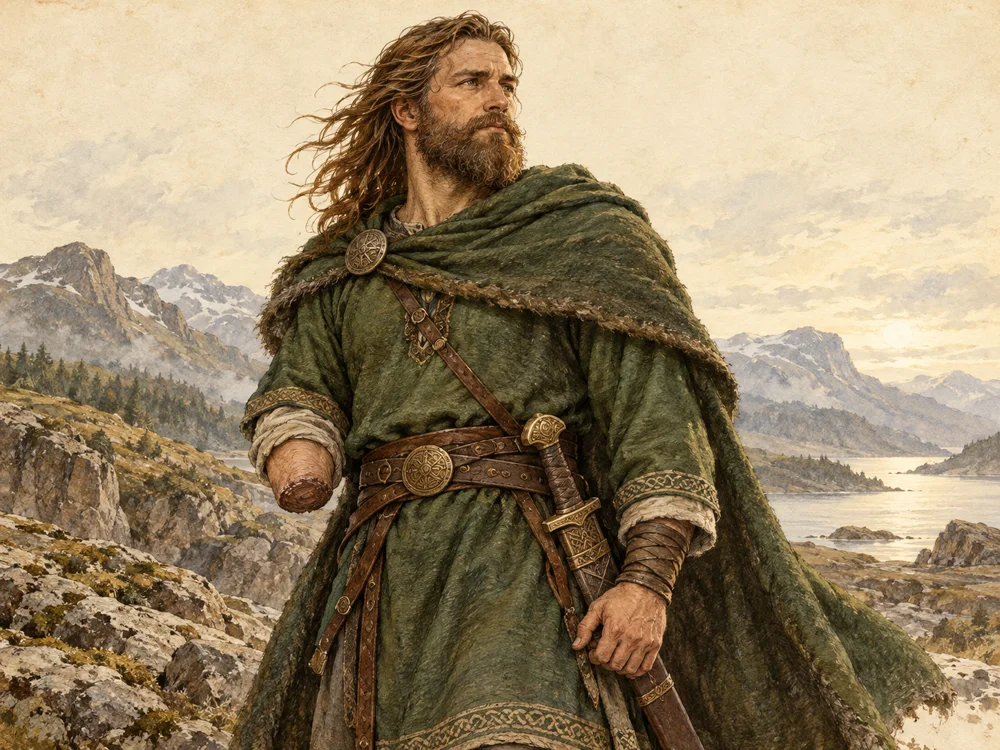
Gods & companions
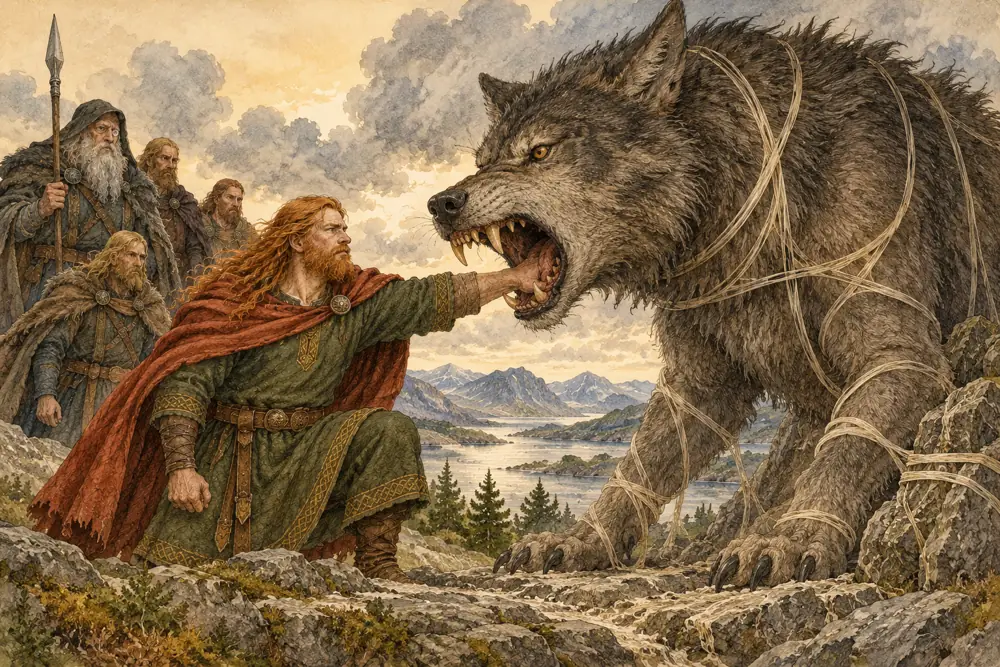
The hand placed in the wolf’s mouth
Meet Tyr ↗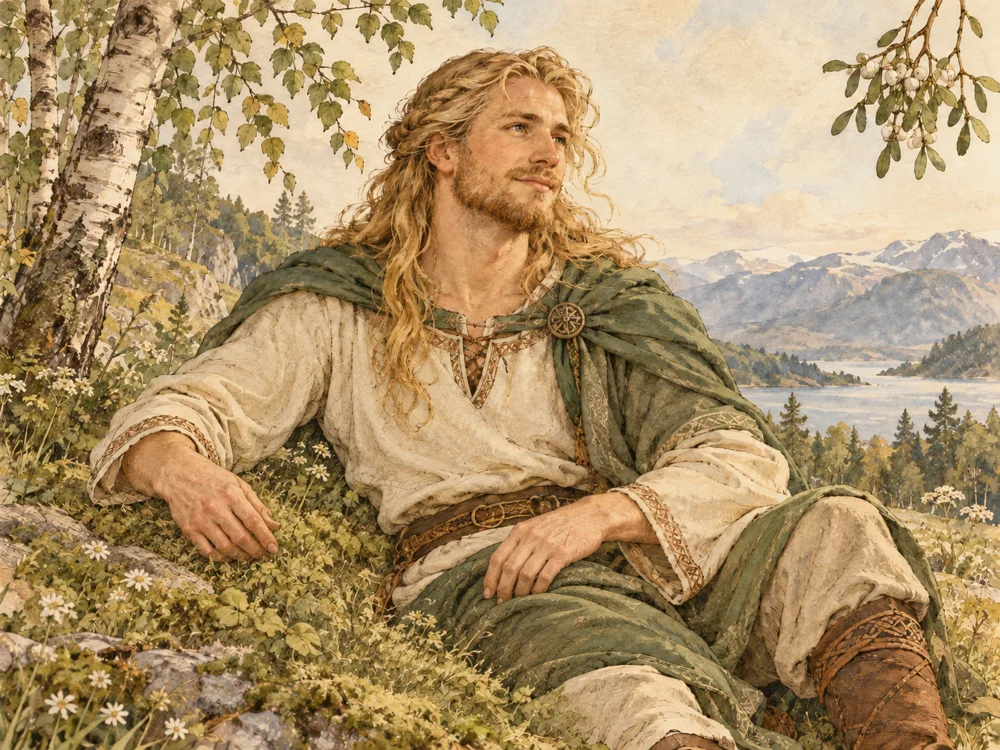
Gods & companions
The beloved god whose death changes everything
Meet Baldr ↗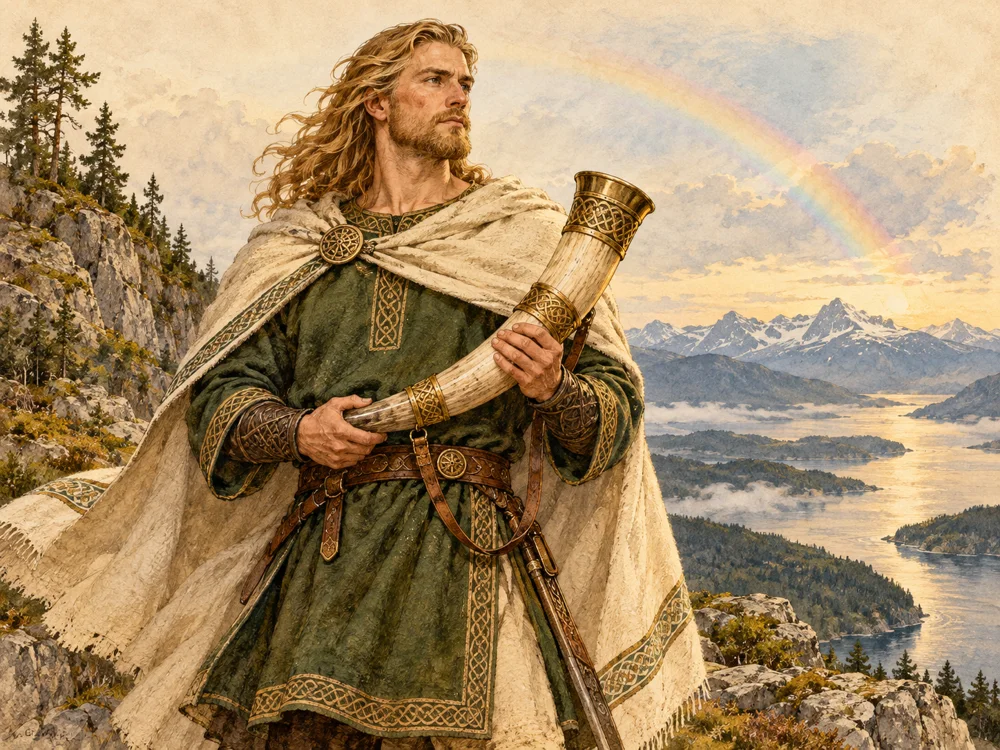
Gods & companions
The watcher at the edge of the gods’ world
Meet Heimdall ↗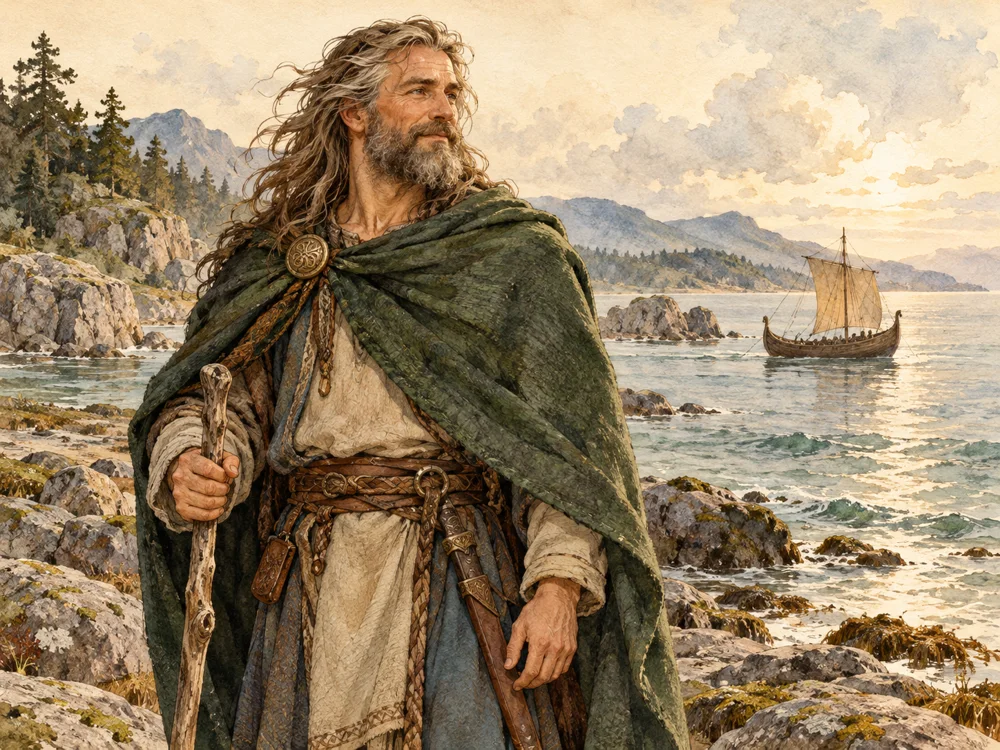
Vanir
Seafaring prosperity and a marriage between unlike homes
Meet Njord ↗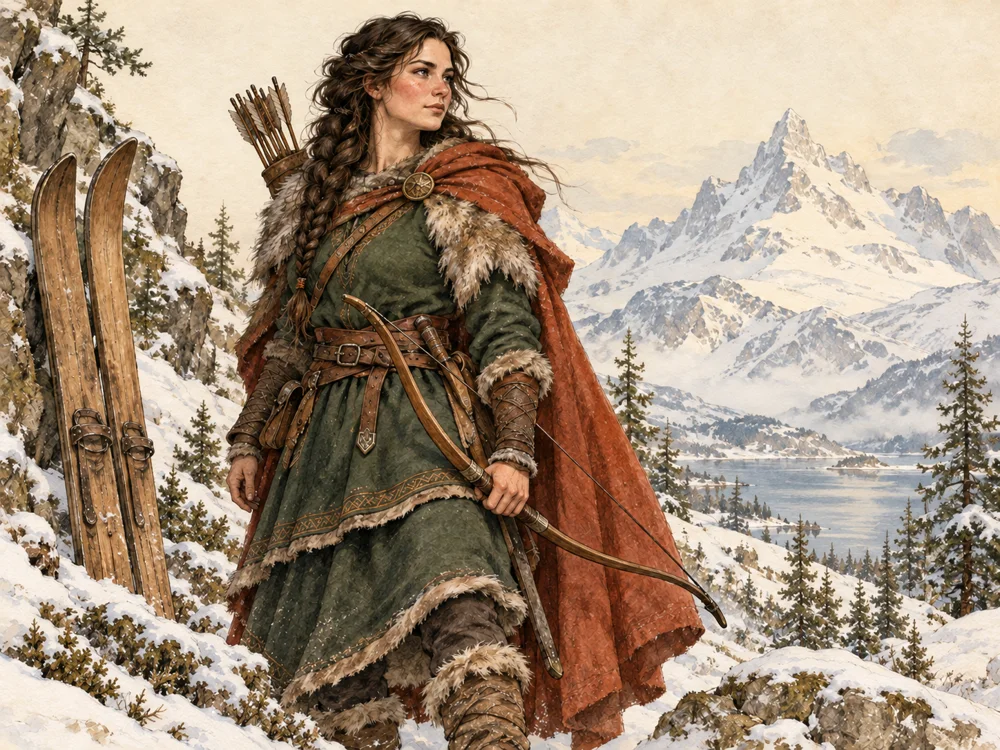
Jötnar & kin
The armed mountain-dweller who demands compensation
Meet Skadi ↗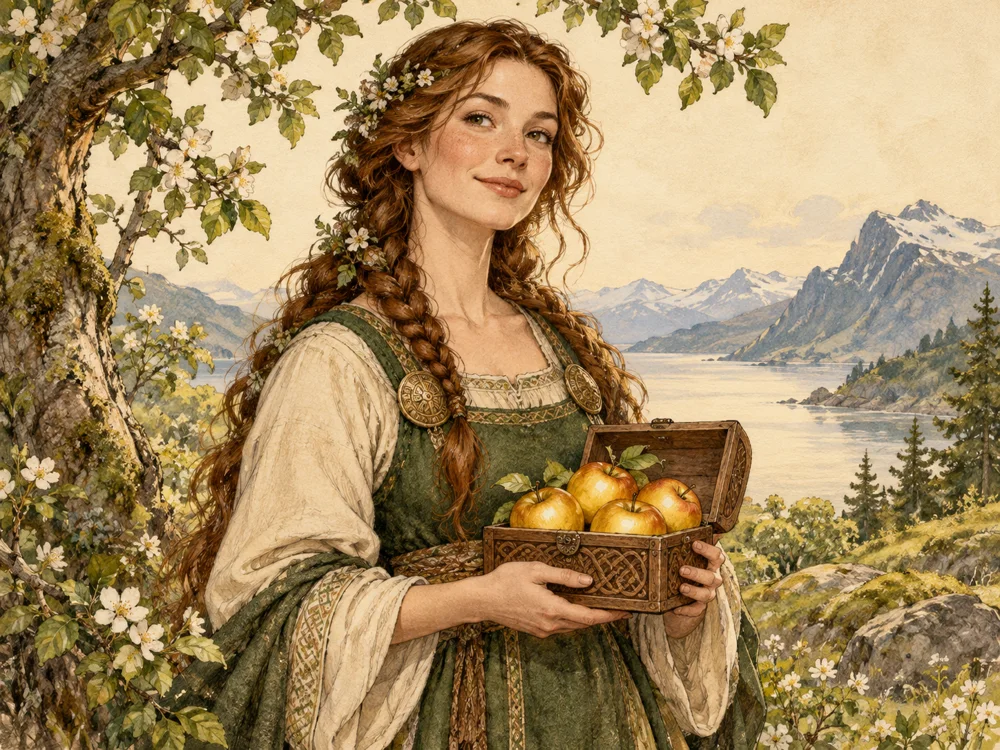
Gods & companions
The keeper whose absence makes the gods grow old
Meet Idunn ↗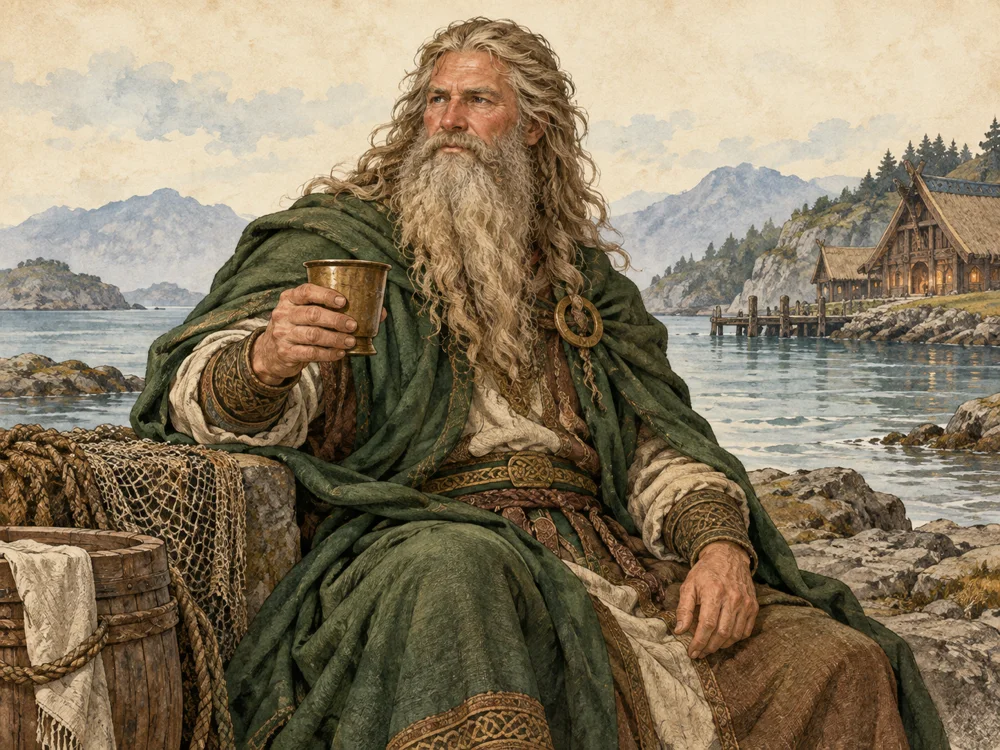
Jötnar & kin
A sea figure whose hall hosts the gods
Meet Aegir ↗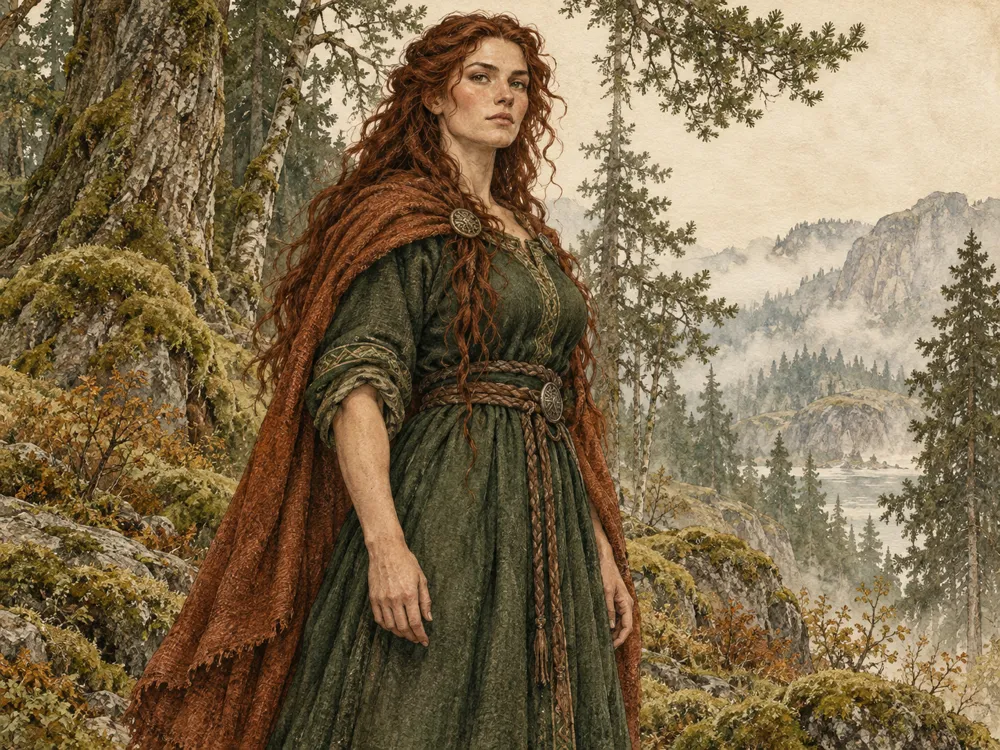
Jötnar & kin
The mother of three feared children
Meet Angrboda ↗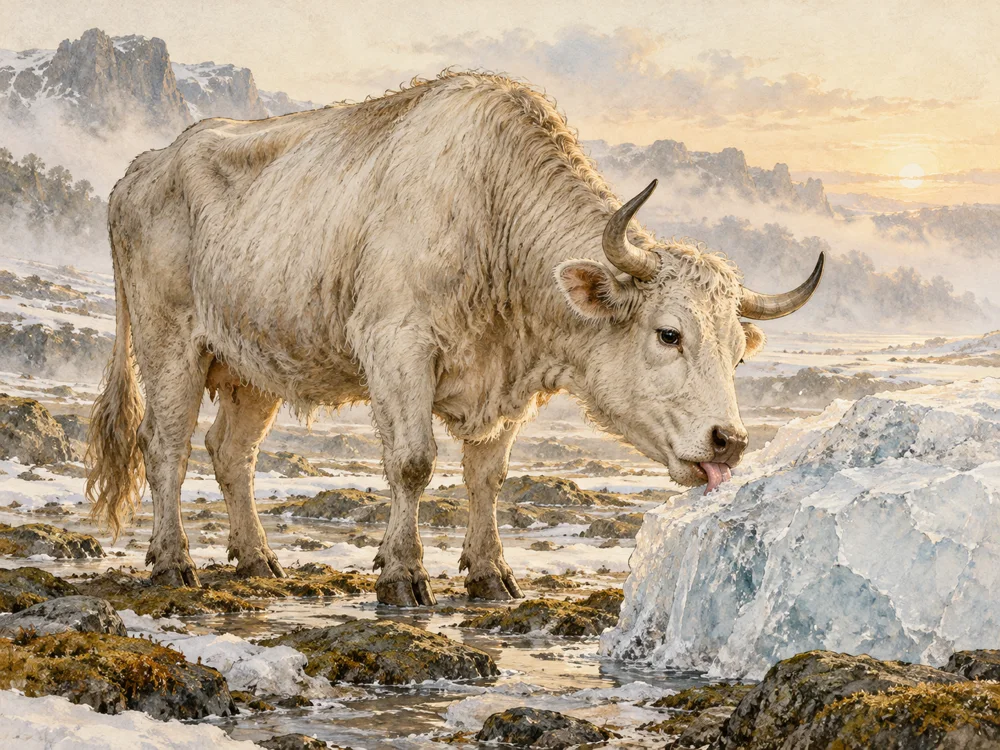
Creatures
The primordial cow who reveals Buri
Meet Audhumla ↗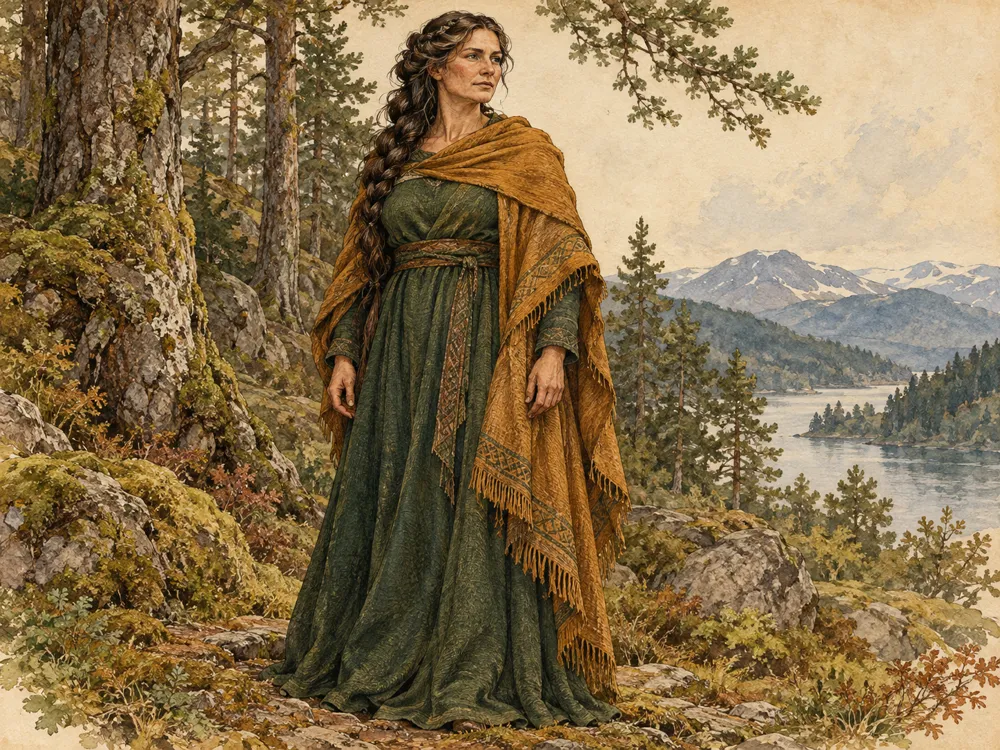
Jötnar & kin
Odin’s mother in the surviving genealogies
Meet Bestla ↗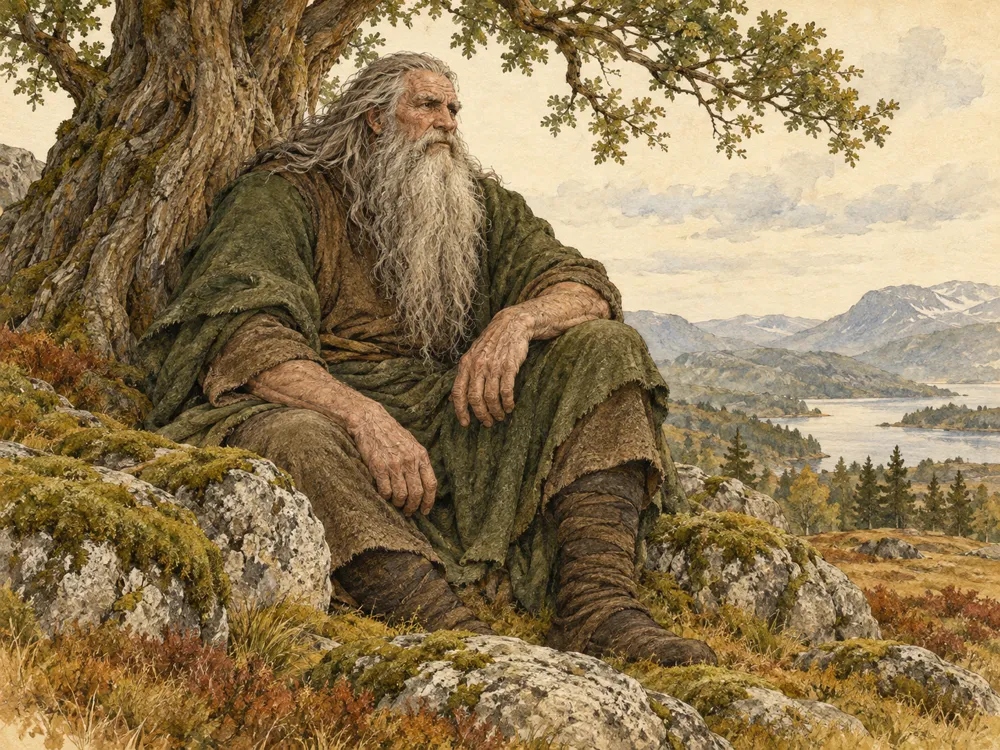
Jötnar & kin
A giant in Odin’s maternal ancestry
Meet Bolthorn ↗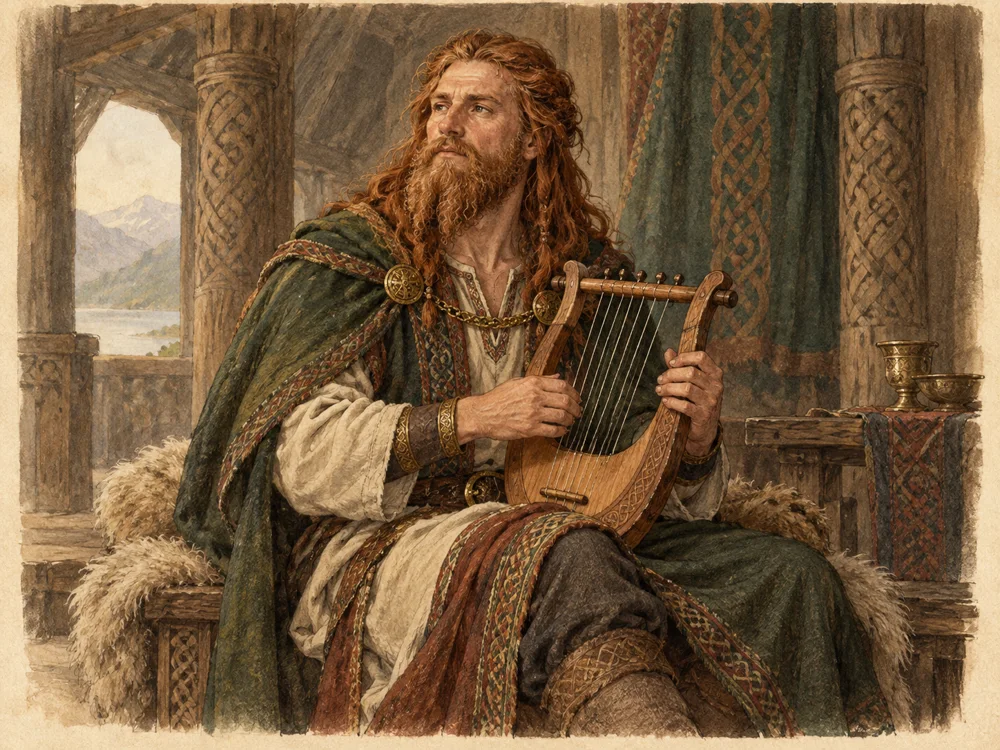
Gods & companions
Eloquence, poetry and the telling of myth
Meet Bragi ↗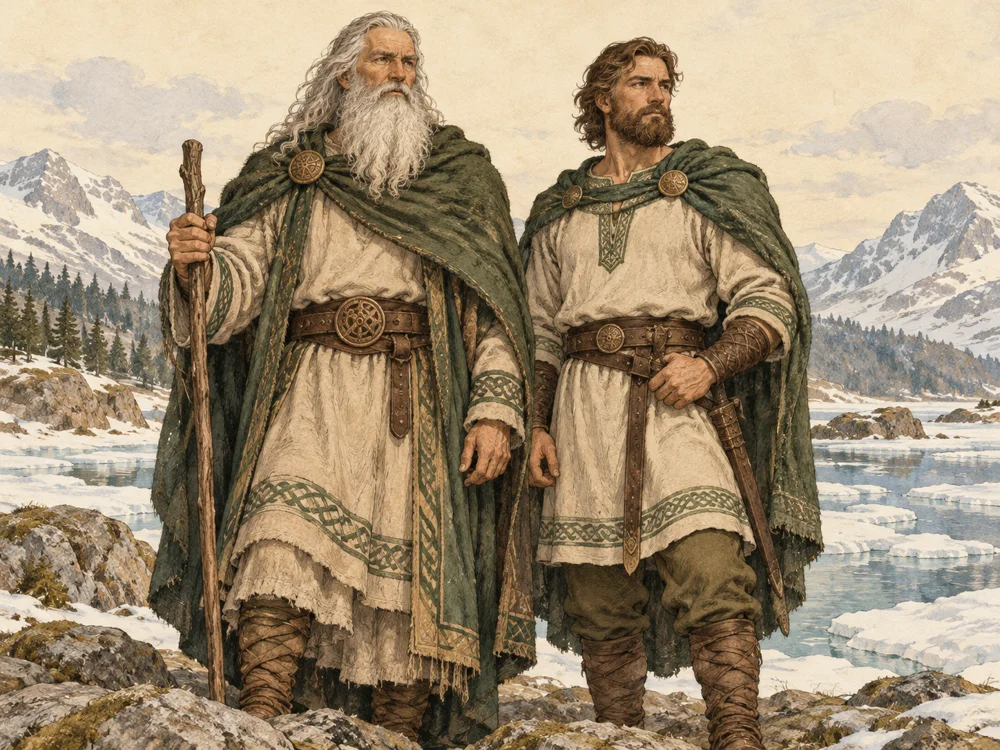
Other powers
The generations before Odin
Meet Buri and Borr ↗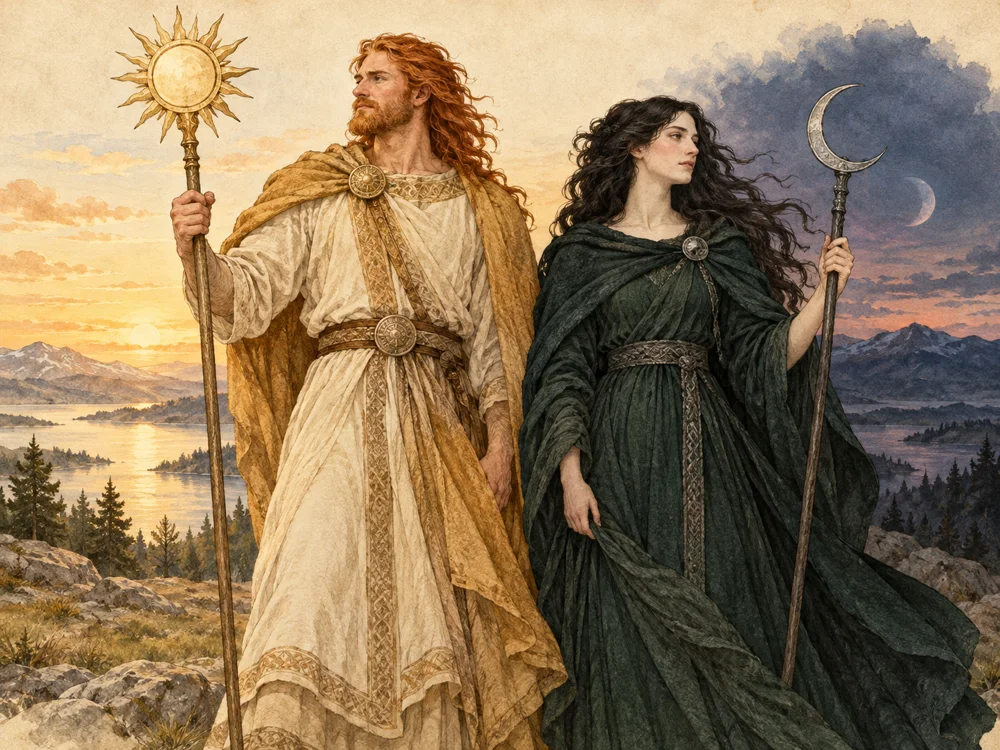
Other powers
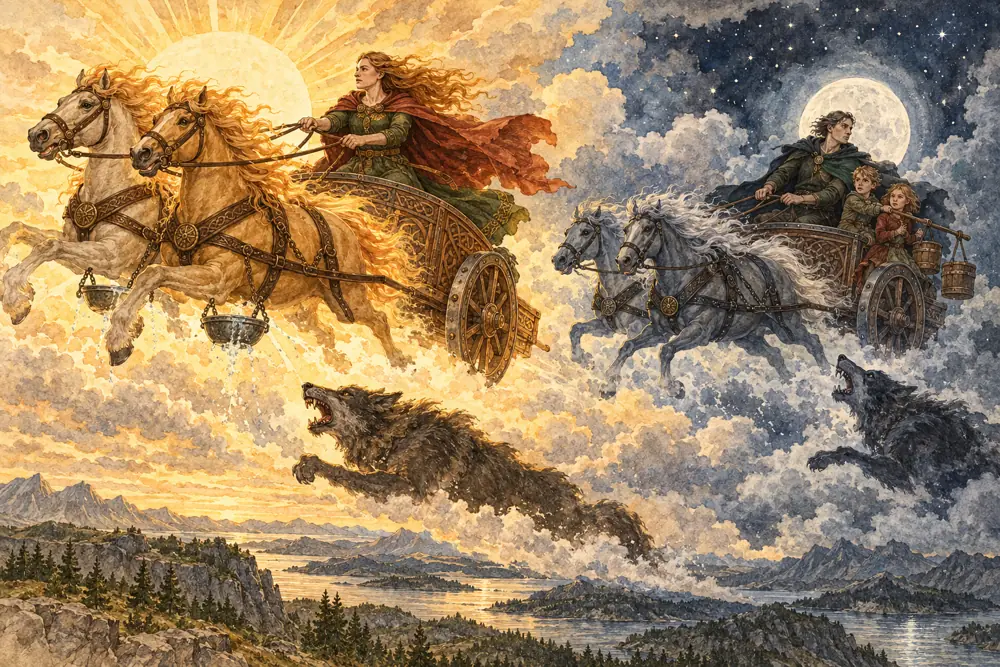
Day and Night on their appointed journeys
Meet Dagr and Nott ↗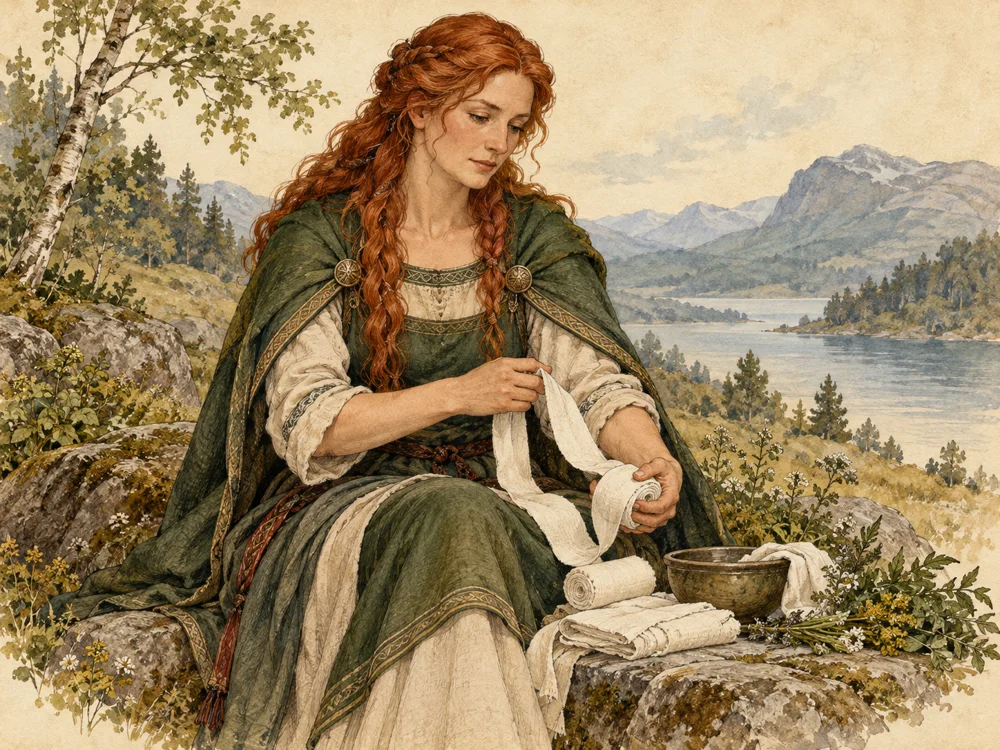
Gods & companions
A healer known through a very small surviving trace
Meet Eir ↗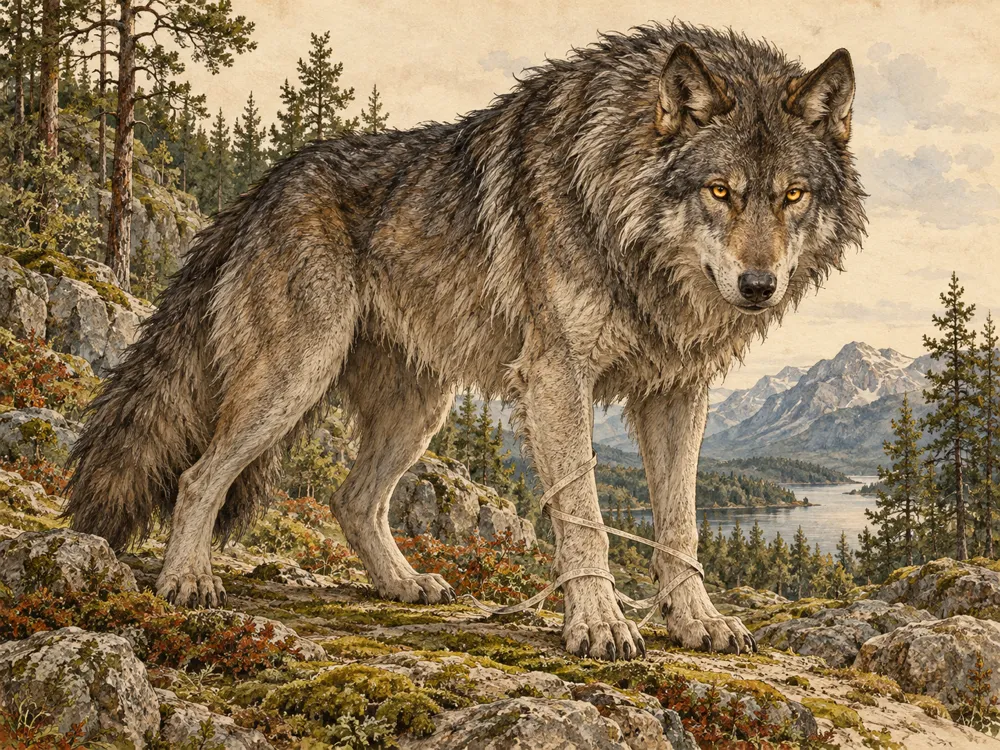
Creatures
The bound wolf and Odin’s final enemy
Meet Fenrir ↗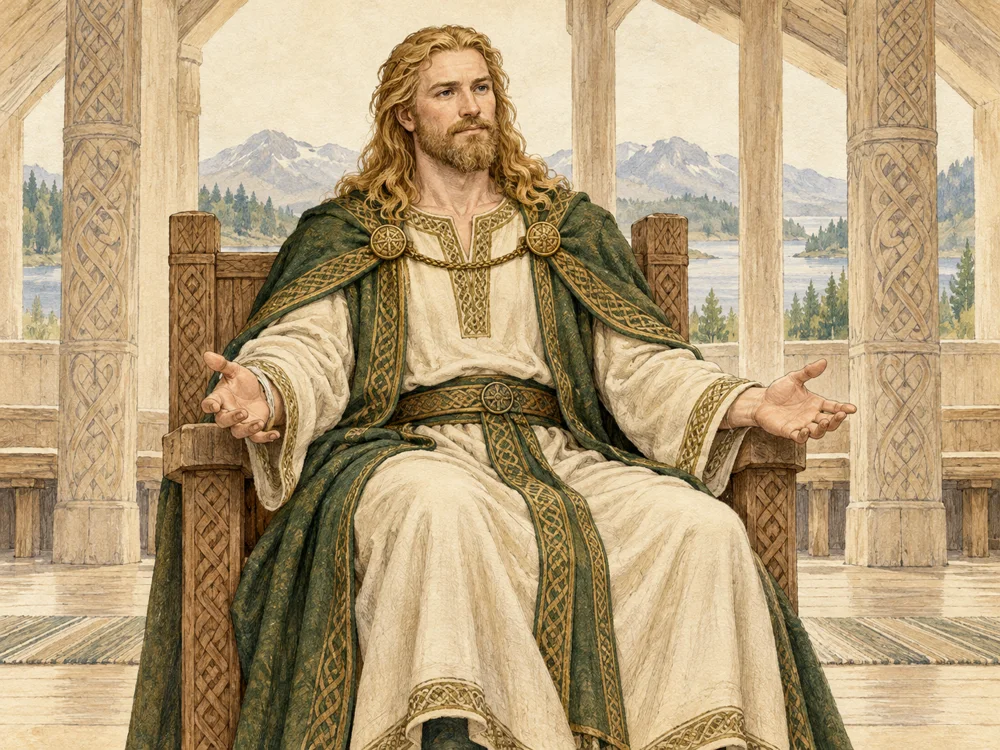
Gods & companions
The reconciler in the shining hall
Meet Forseti ↗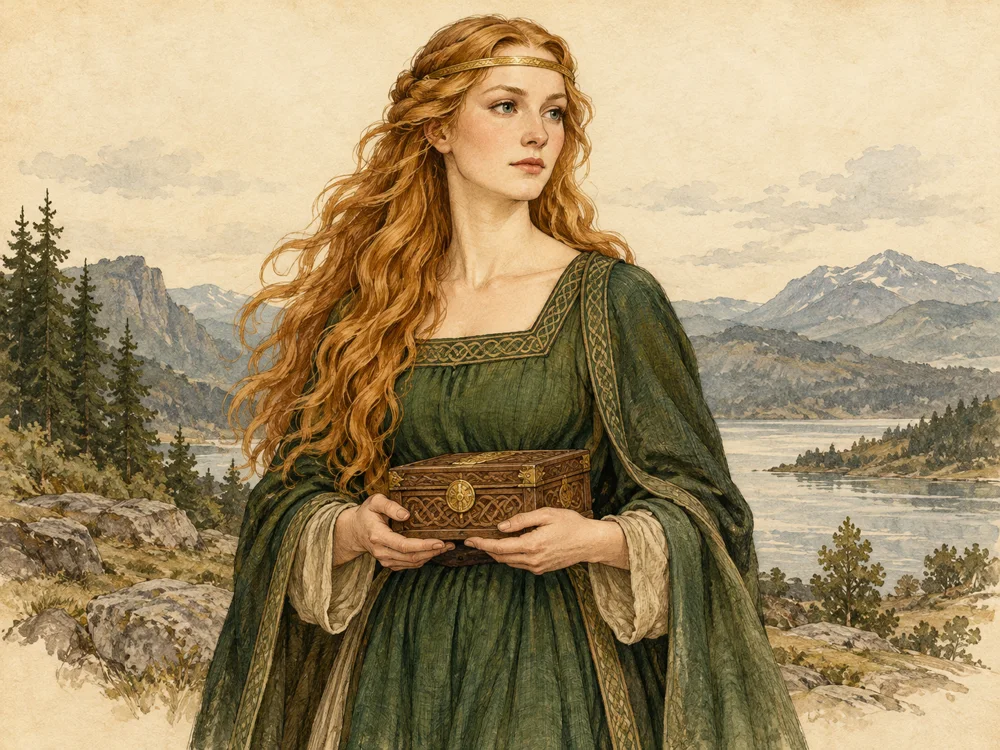
Gods & companions
The keeper of Frigg’s confidence
Meet Fulla ↗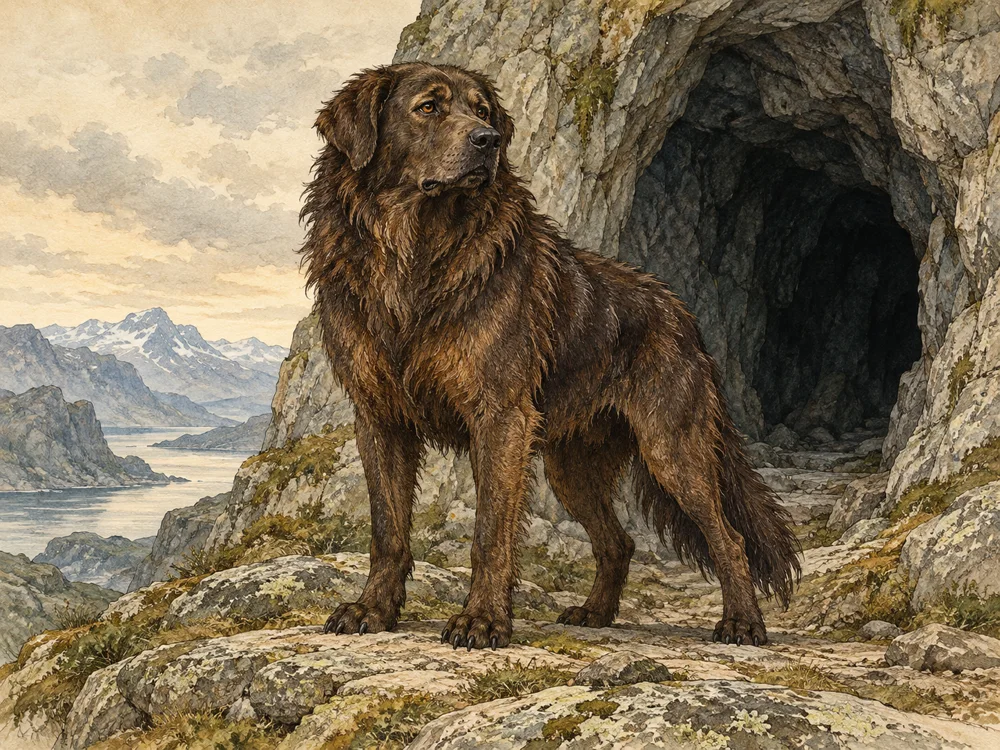
Creatures
The bound hound at the edge of catastrophe
Meet Garm ↗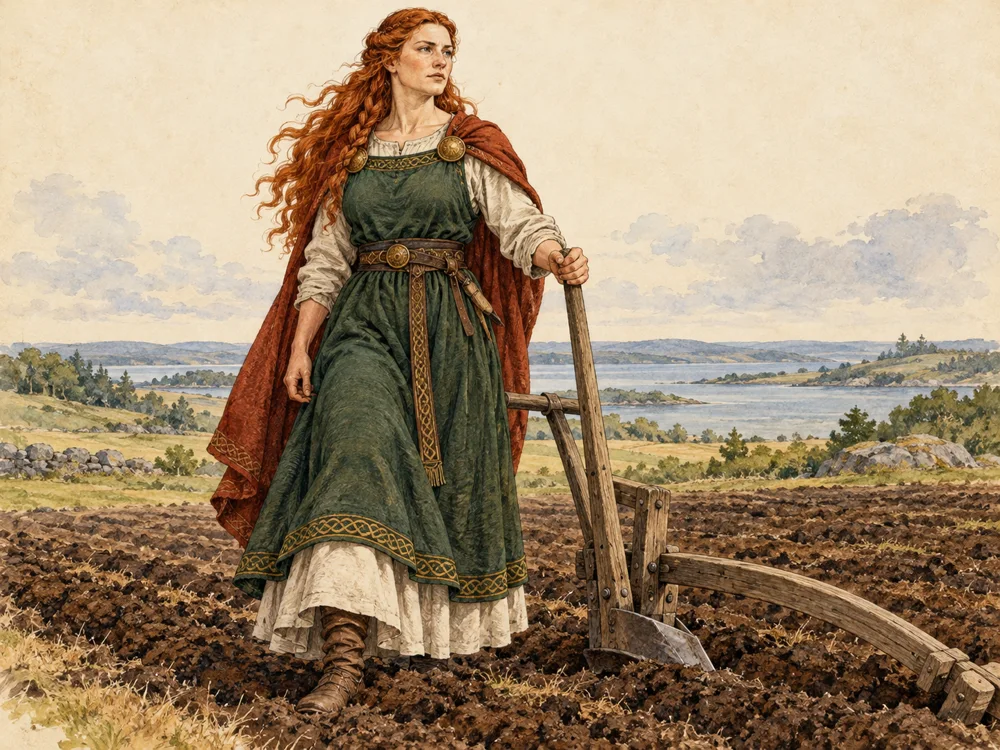
Gods & companions
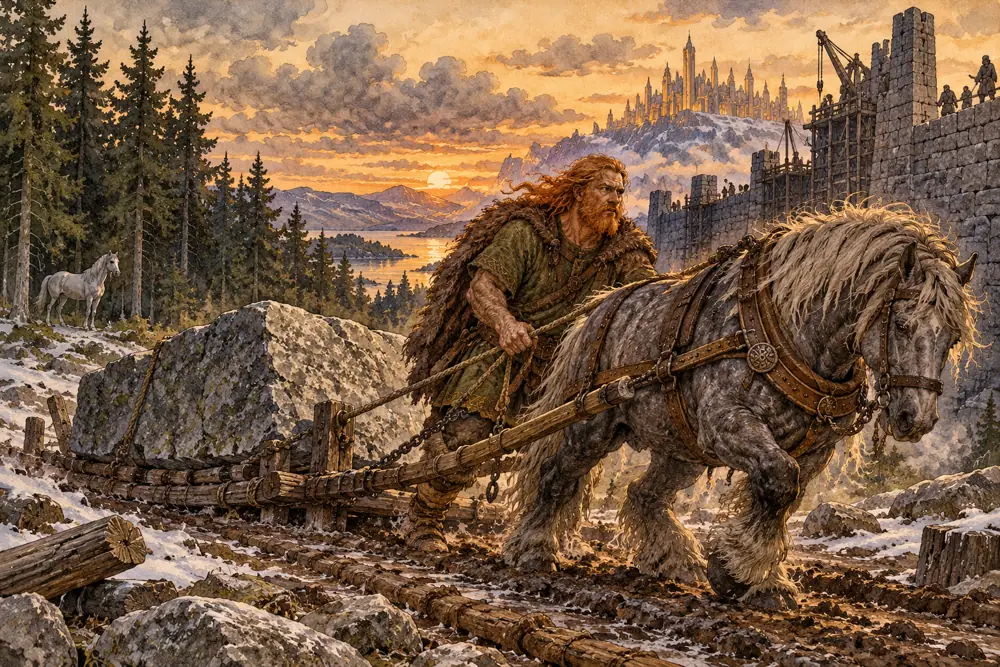
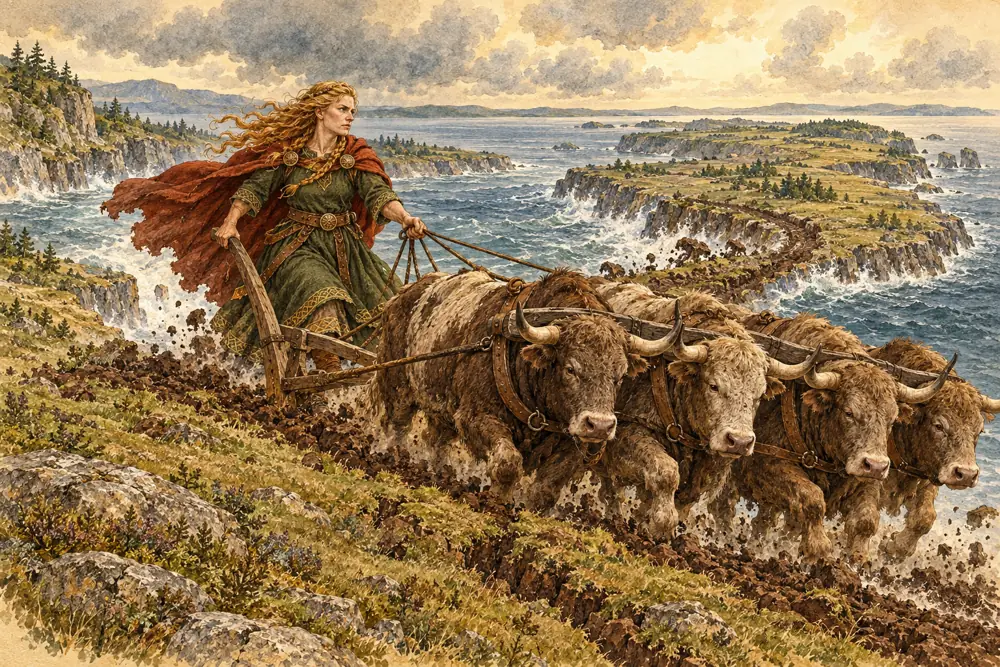
The plough that draws an island from the land
Meet Gefjon ↗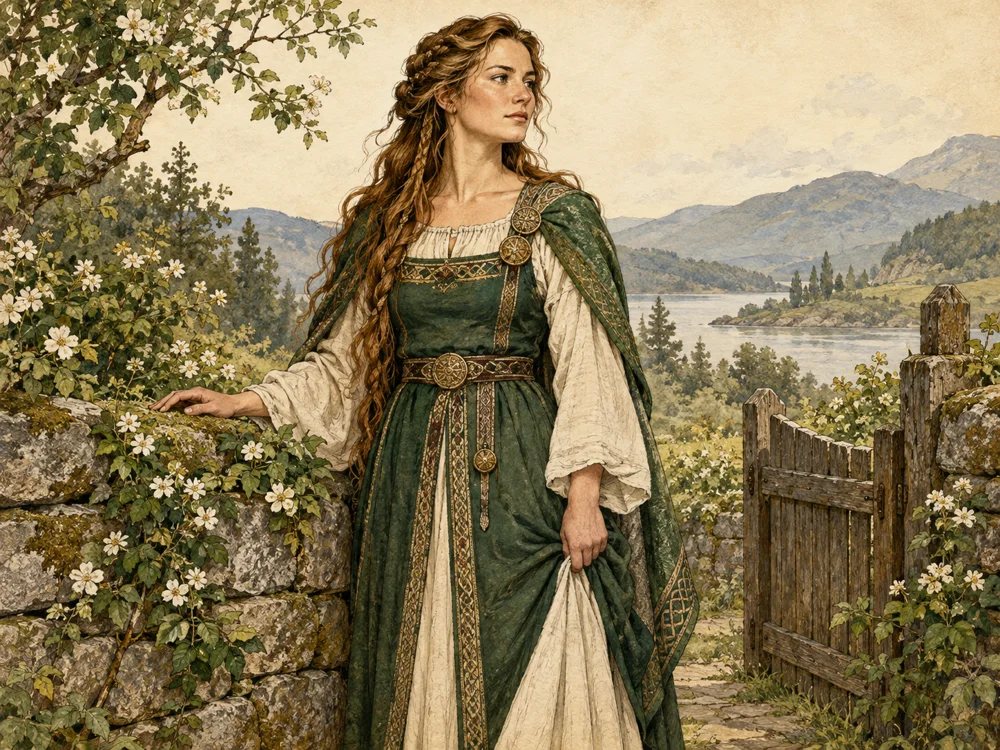
Jötnar & kin
The woman approached by Freyr’s threatening envoy
Meet Gerd ↗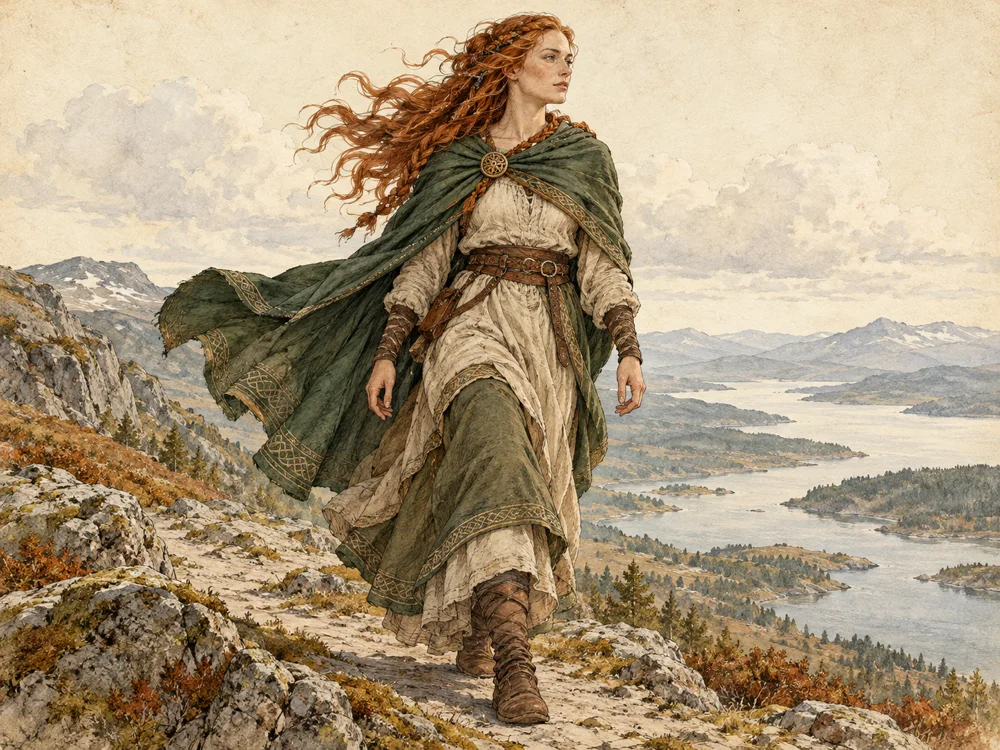
Gods & companions
Frigg’s messenger who rides through air and sea
Meet Gna ↗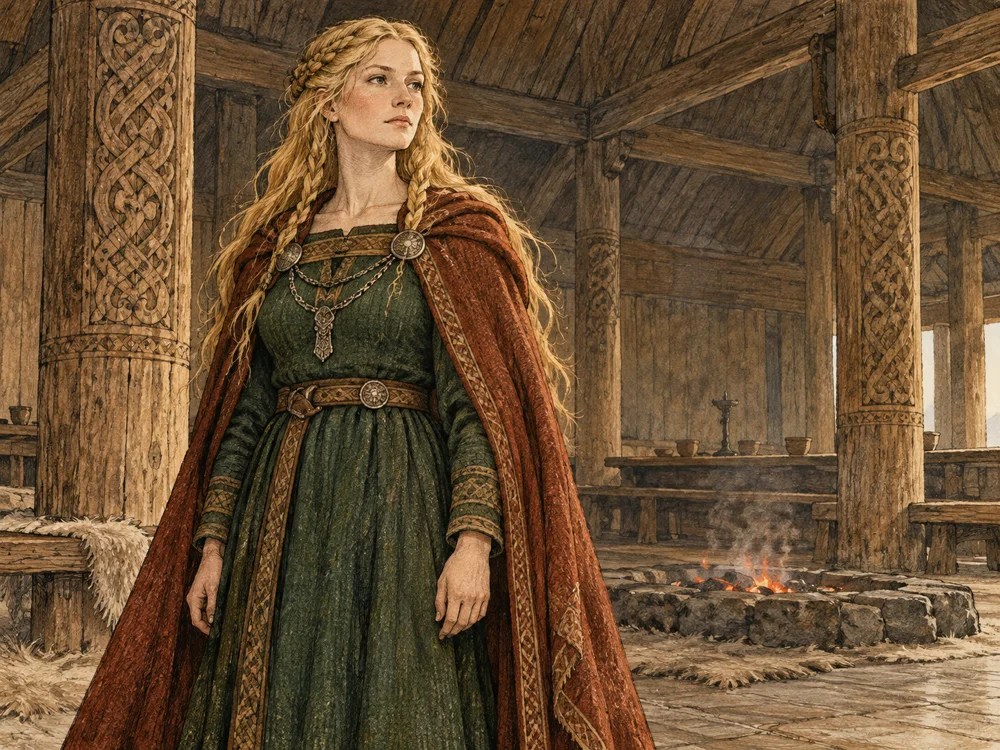
Other powers
The mysterious figure burned and reborn
Meet Gullveig ↗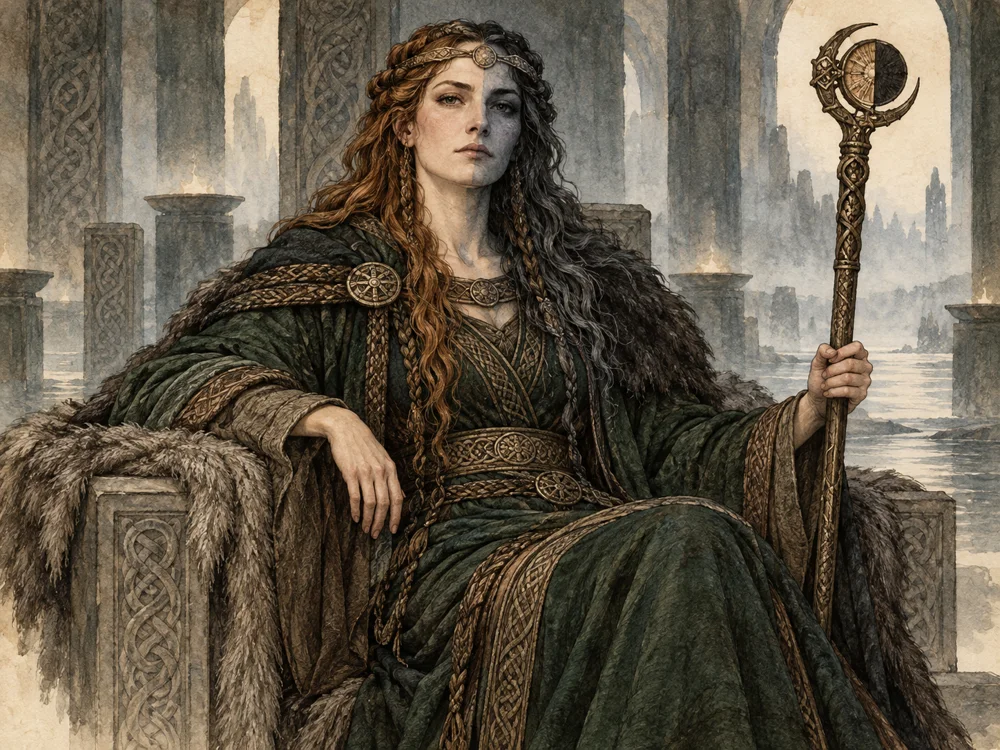
Other powers
A ruler of the dead—and the name of a destination
Meet Hel ↗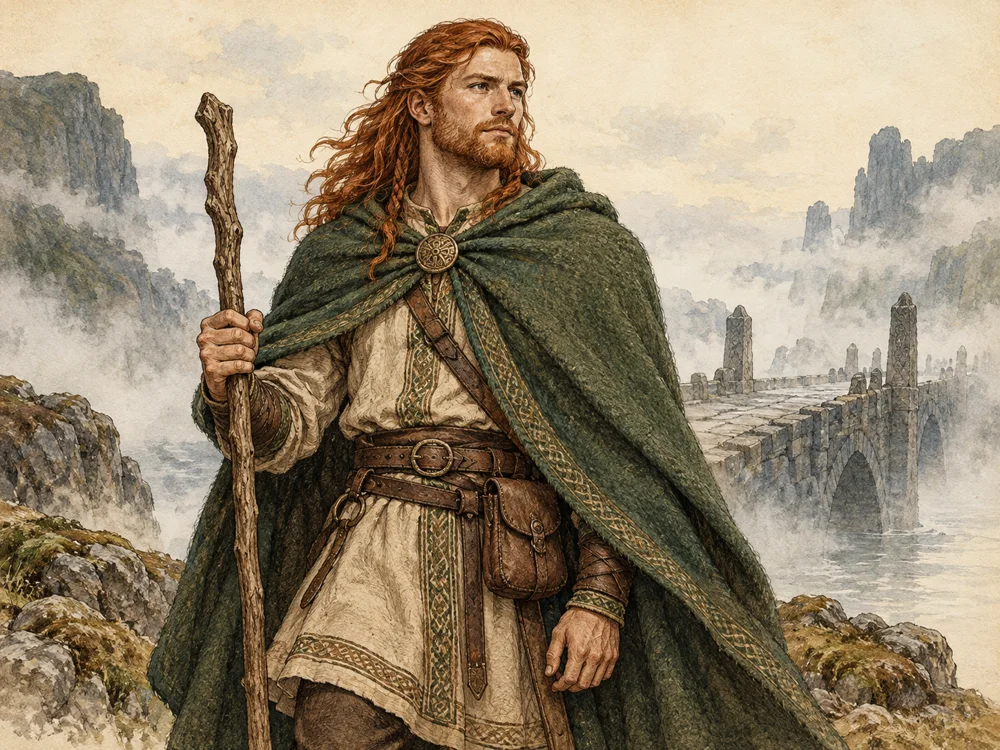
Gods & companions
The rider who asks for Baldr’s return
Meet Hermod ↗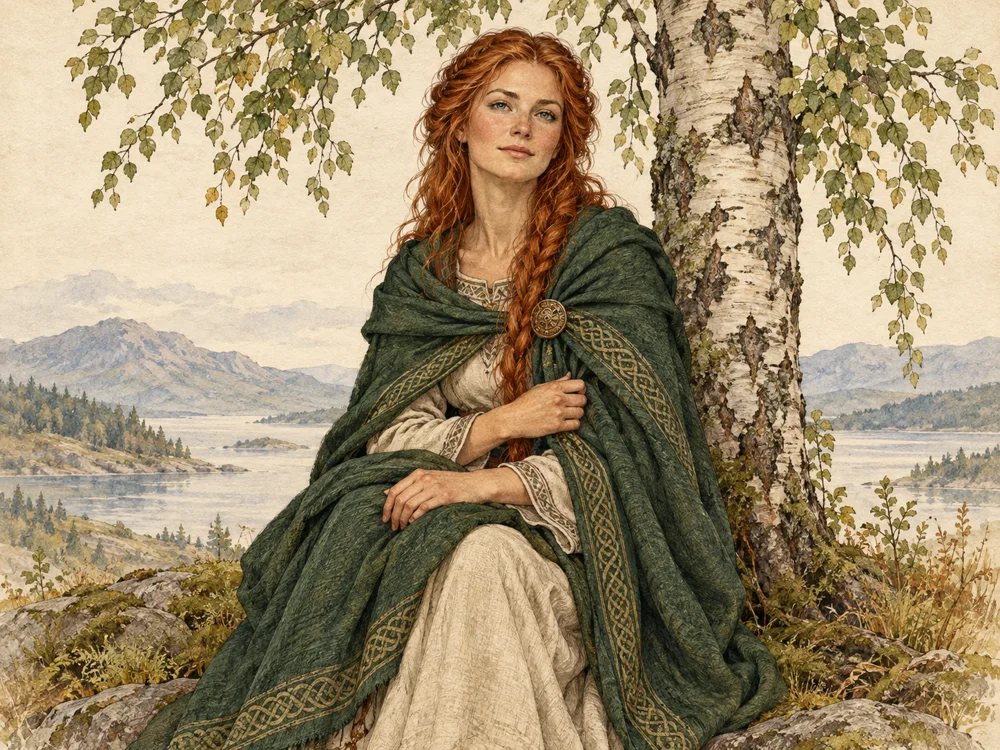
Gods & companions
Protection on Frigg’s behalf
Meet Hlin ↗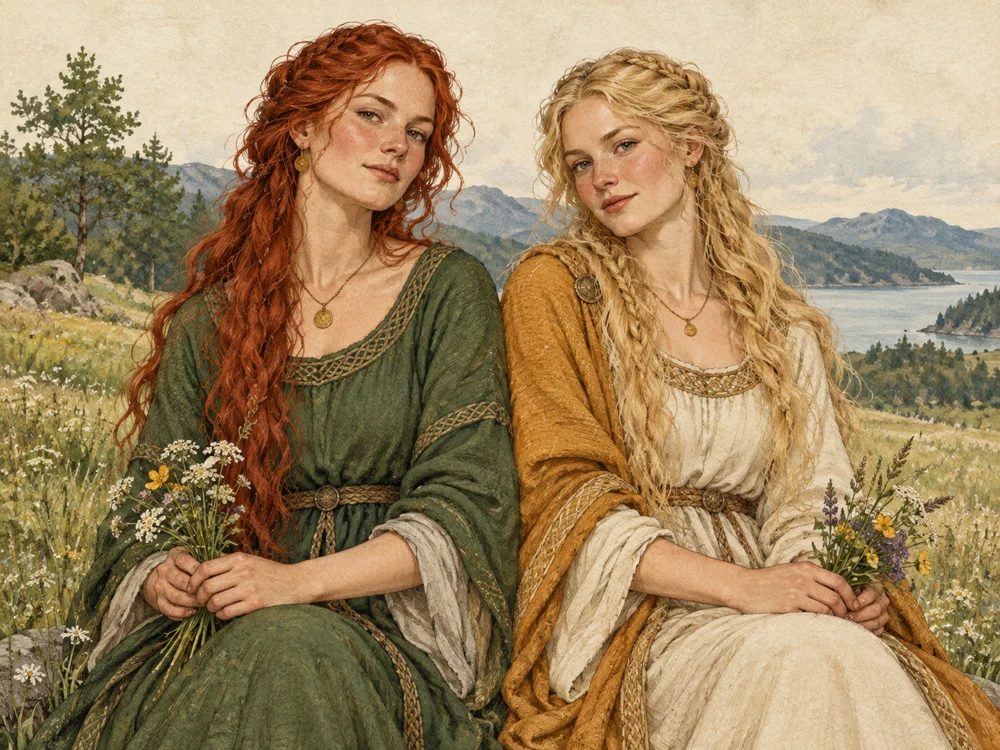
Gods & companions
Freyja’s daughters and the language of precious things
Meet Hnoss and Gersemi ↗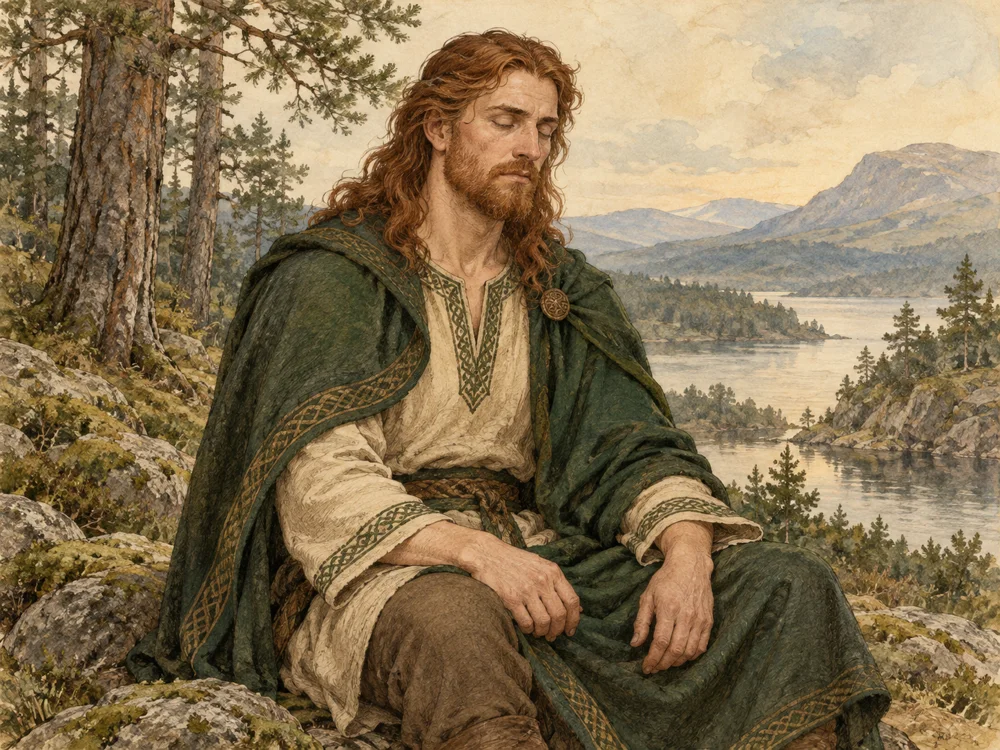
Gods & companions
The brother drawn into Baldr’s death
Meet Hodr ↗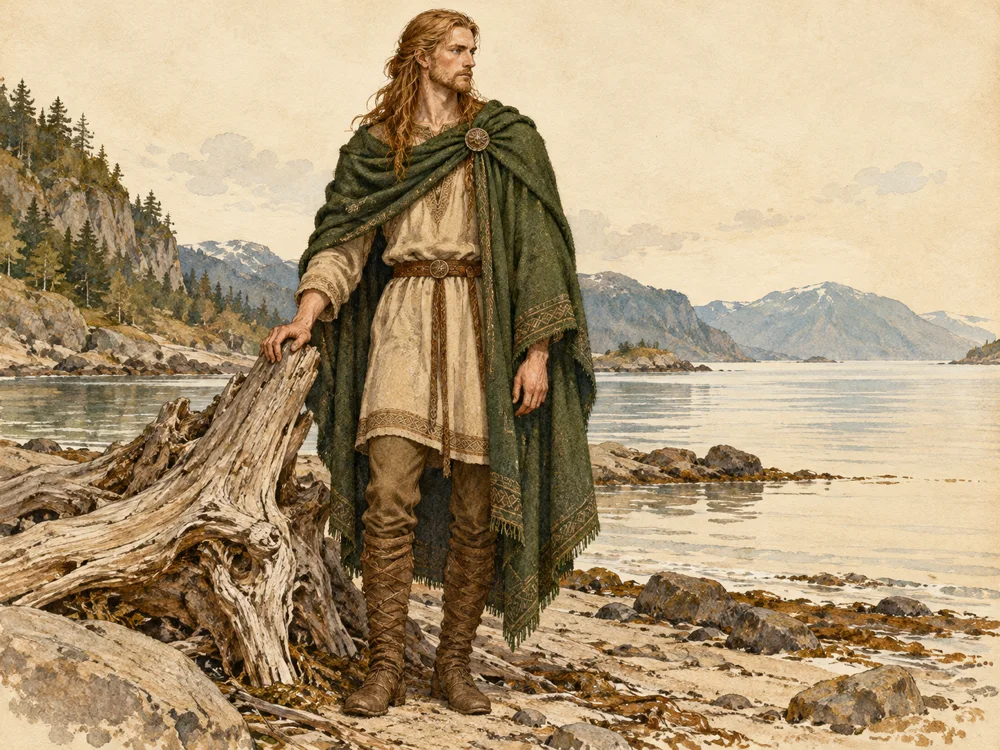
Gods & companions
A companion present at humanity’s beginning
Meet Hoenir ↗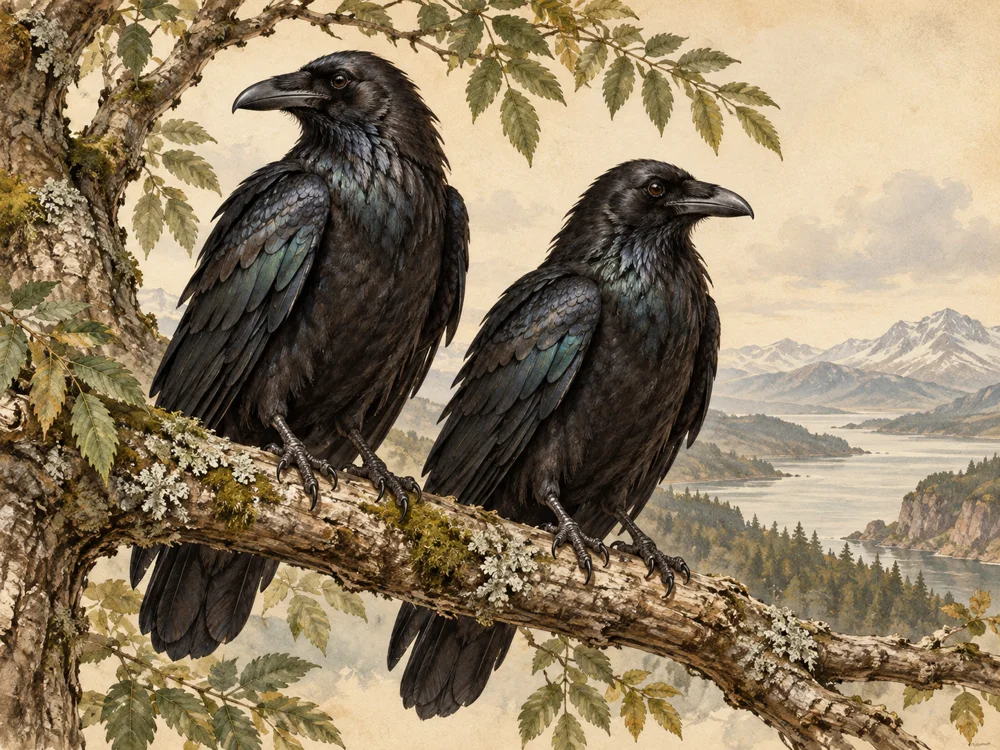
Creatures
Odin’s ravens of thought and memory
Meet Huginn and Muninn ↗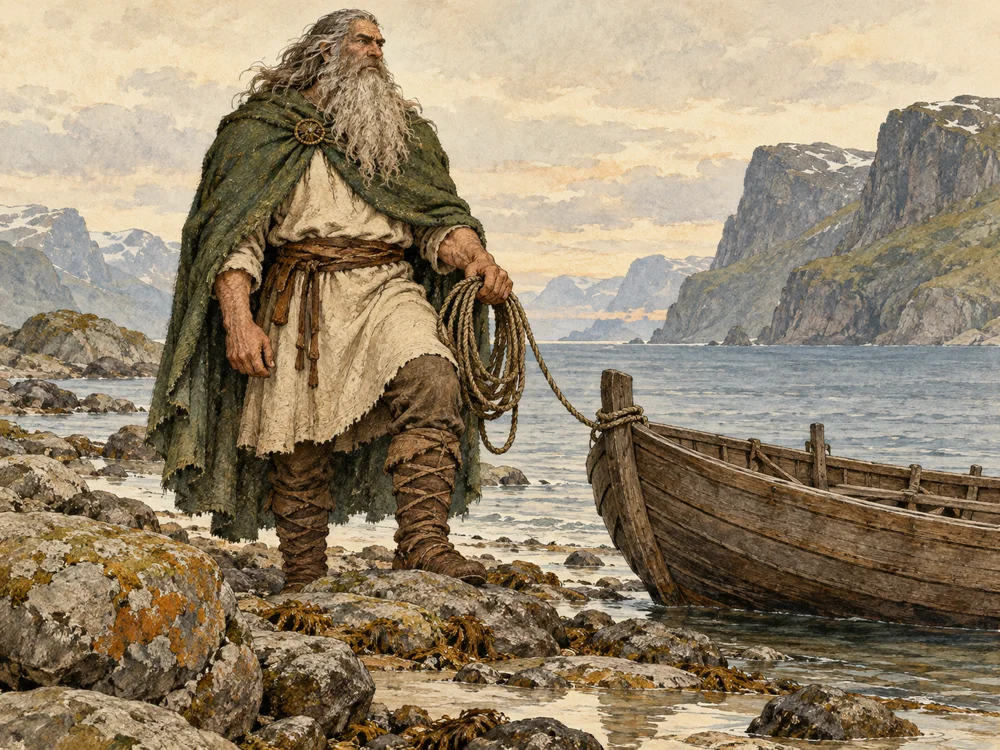
Jötnar & kin
Thor’s fishing companion and keeper of a vast cauldron
Meet Hymir ↗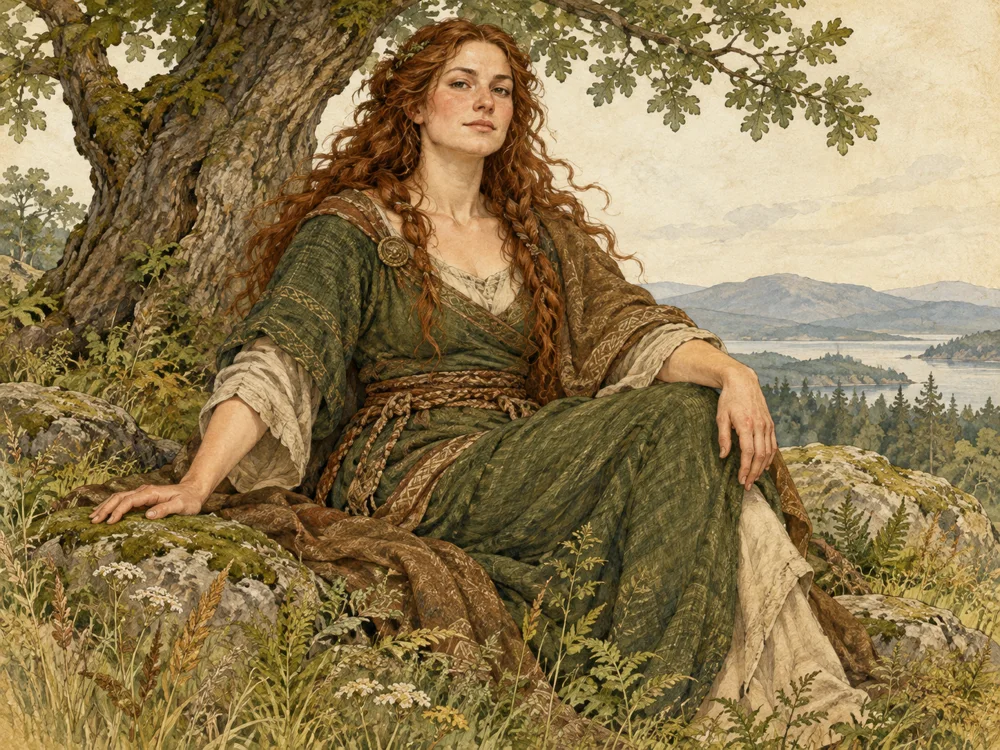
Jötnar & kin
Earth given a place in the divine family
Meet Jord ↗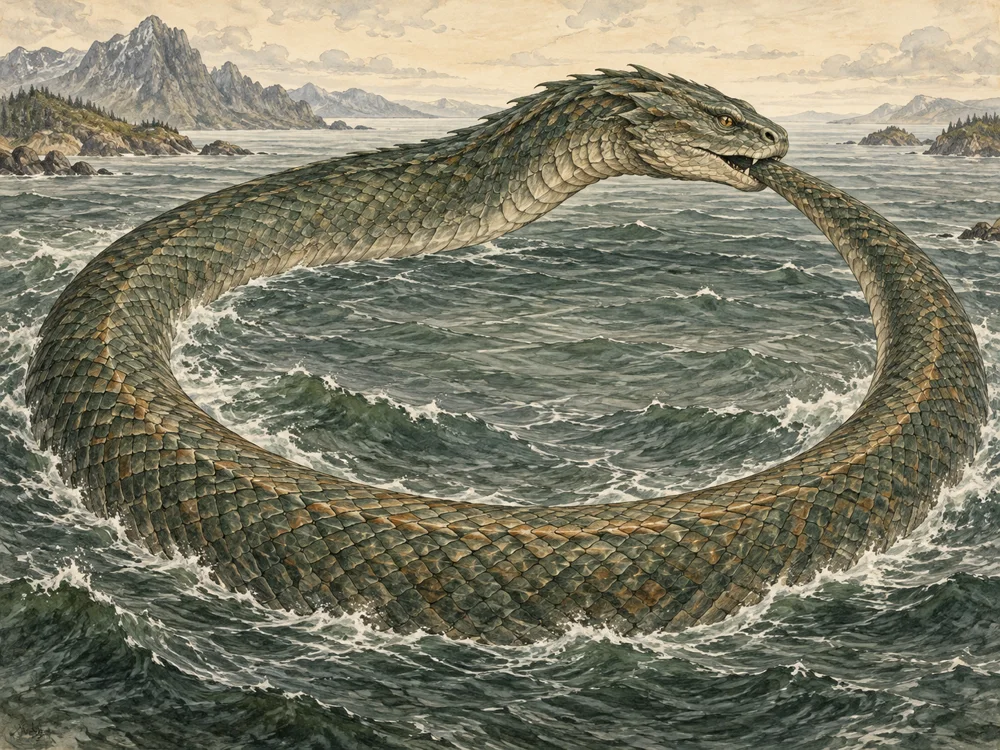
Creatures
The serpent encircling Midgard
Meet Jörmungandr ↗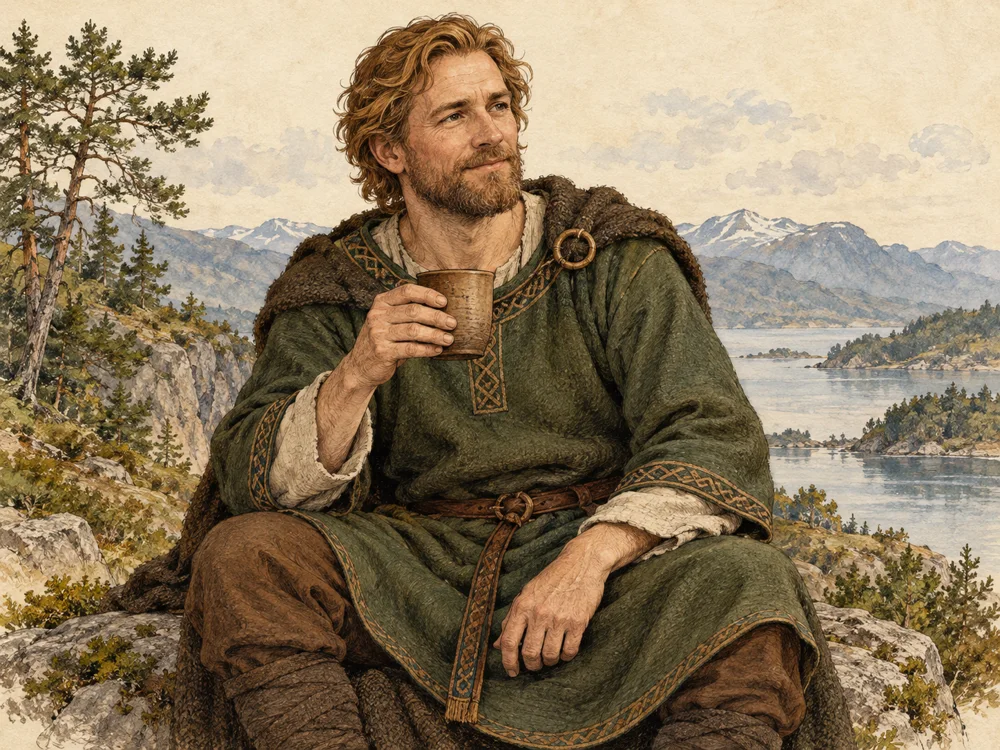
Gods & companions
Wisdom turned into the mead of poetry
Meet Kvasir ↗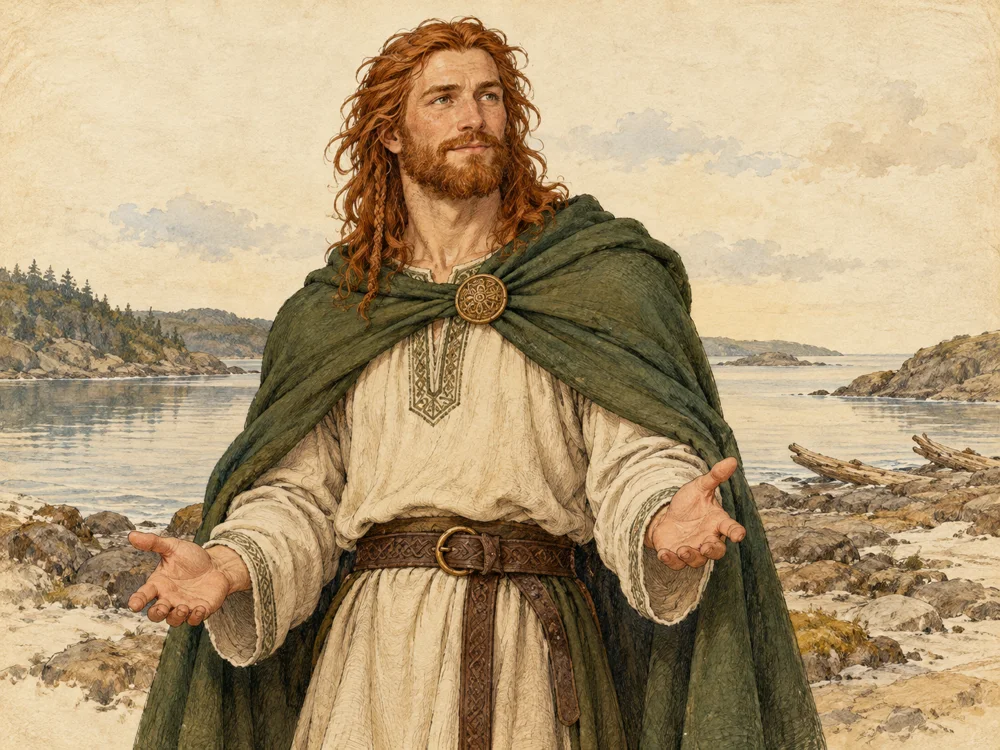
Gods & companions
A name at the creation of human life
Meet Lodur ↗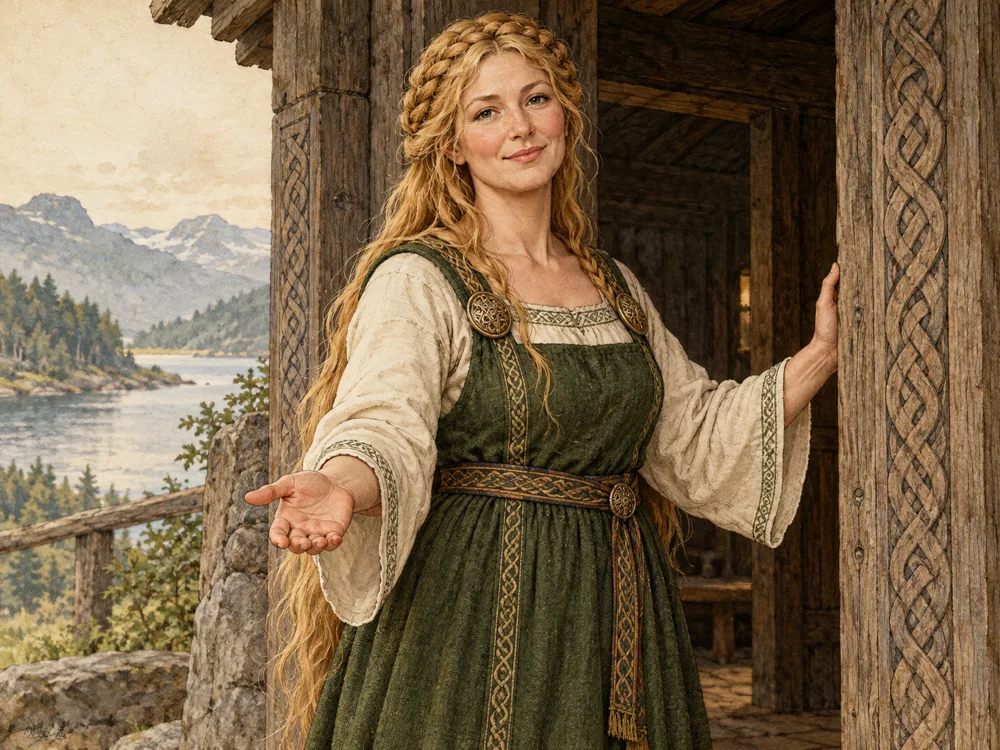
Gods & companions
Permission for unions that meet resistance
Meet Lofn ↗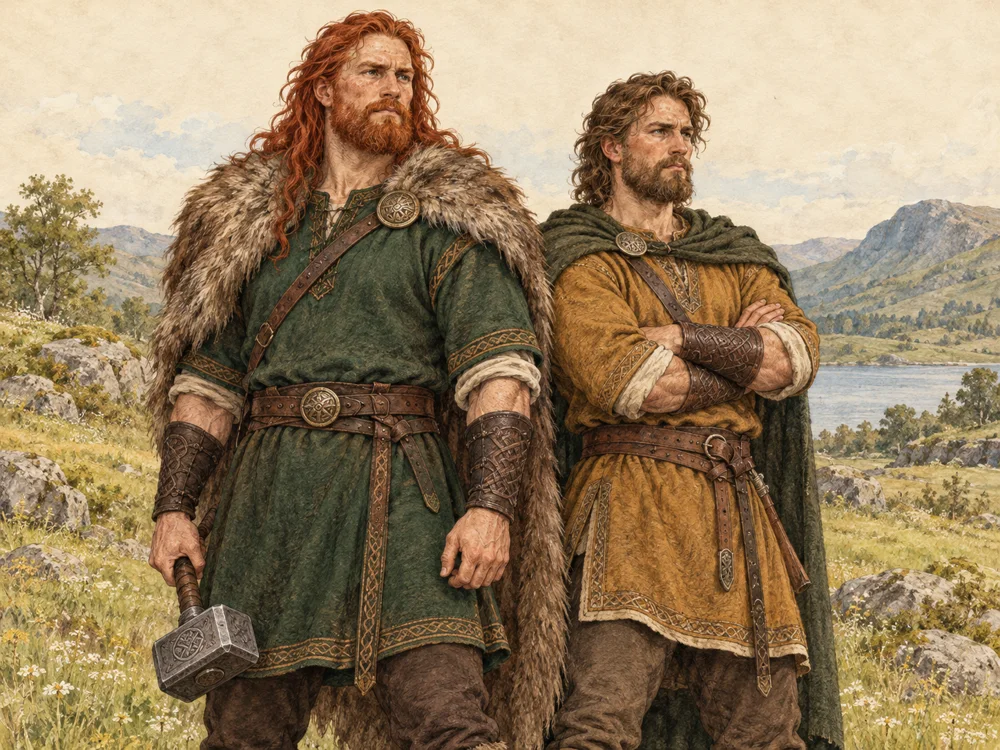
Gods & companions
Thor’s sons and the hammer after Ragnarök
Meet Magni and Modi ↗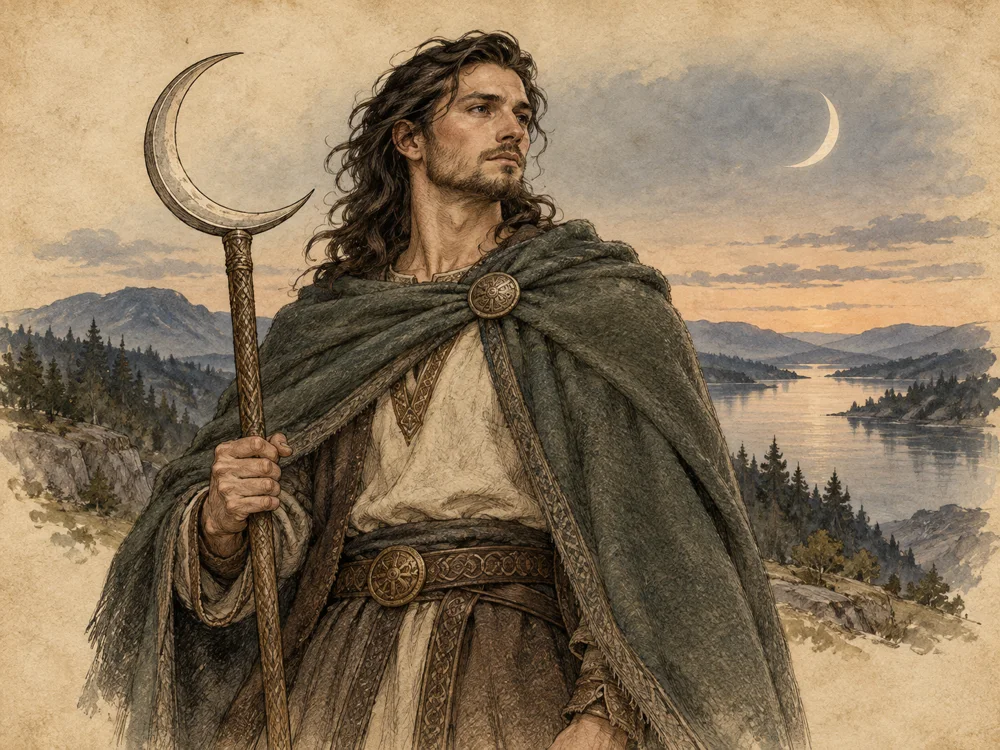
Other powers
The moon and the children who accompany him
Meet Mani ↗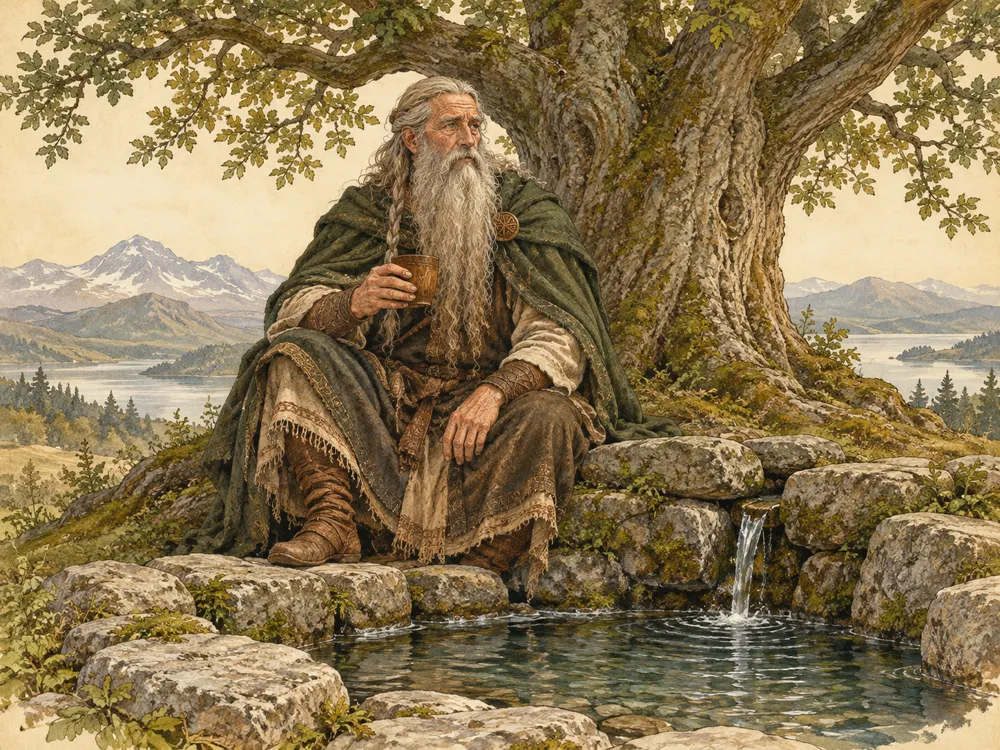
Gods & companions
The keeper of knowledge Odin seeks
Meet Mimir ↗
Gods & companions
Grief, a funeral ship and gifts from beyond death
Meet Nanna ↗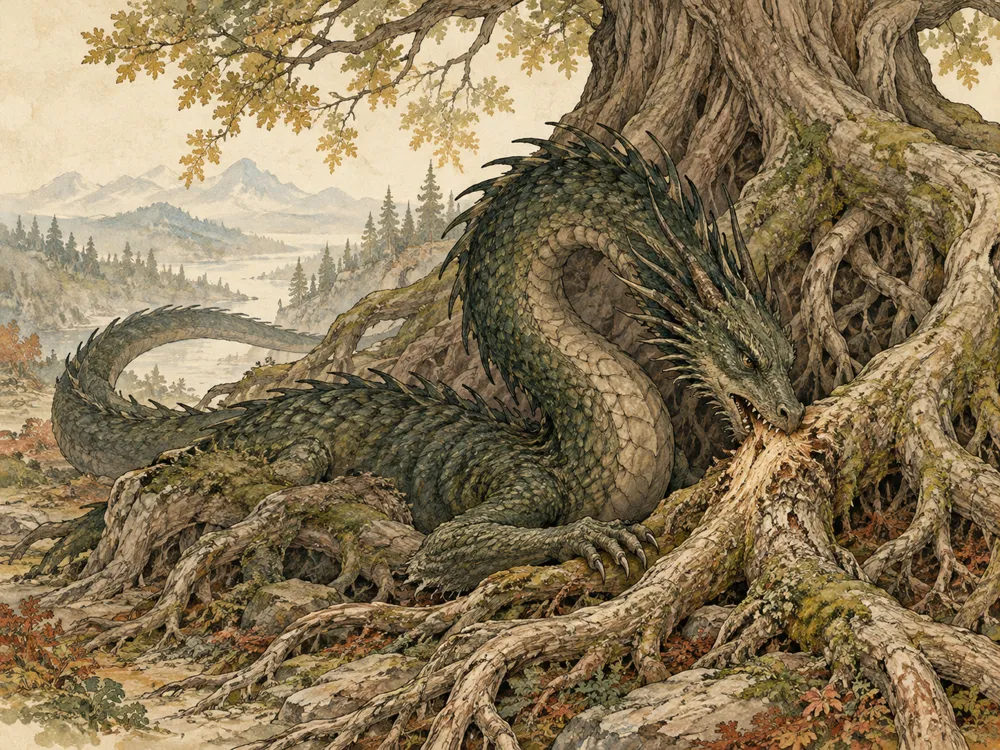
Creatures
The creature beneath the world tree
Meet Níðhöggr ↗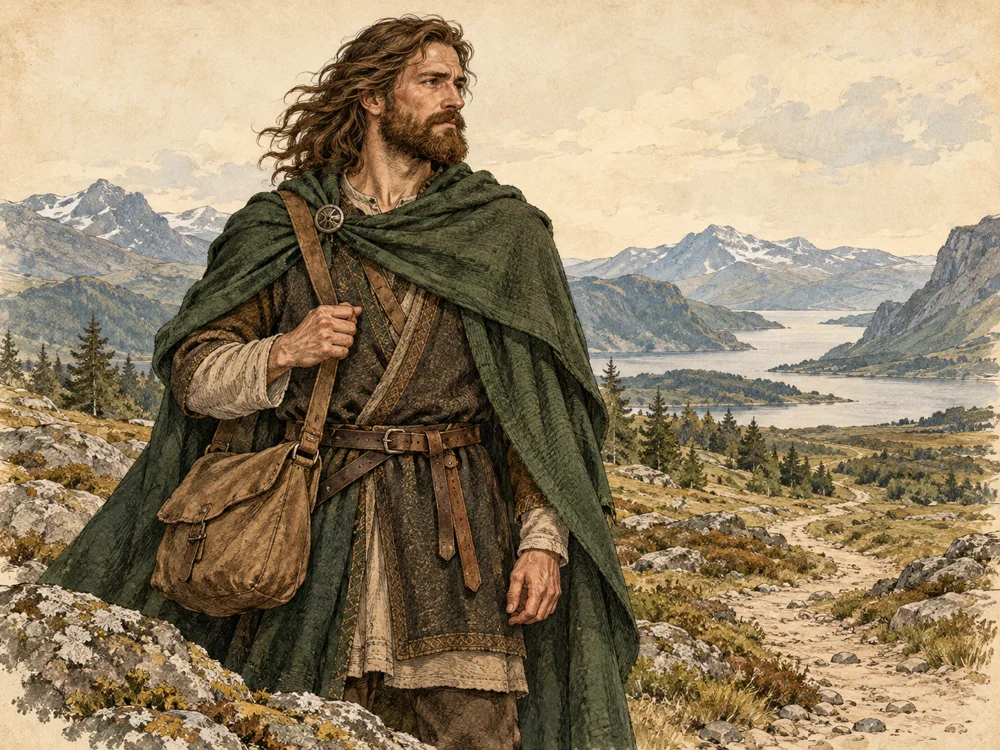
Gods & companions
The absent husband Freyja searches for
Meet Odr ↗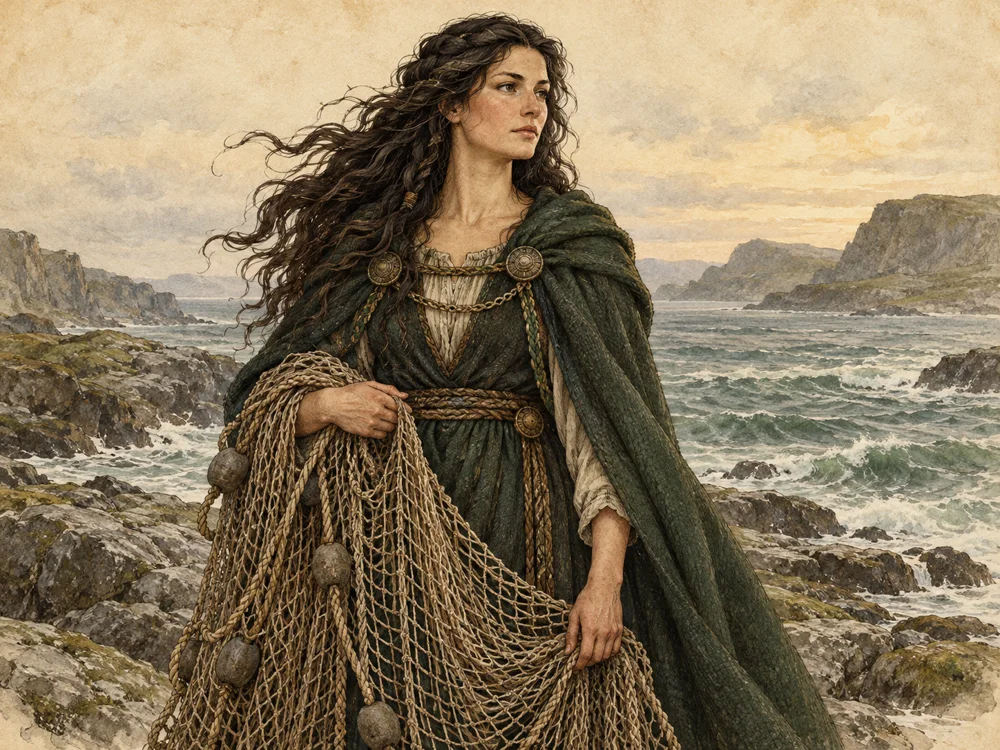
Jötnar & kin
The sea’s dangerous reach, imagined as a net
Meet Ran ↗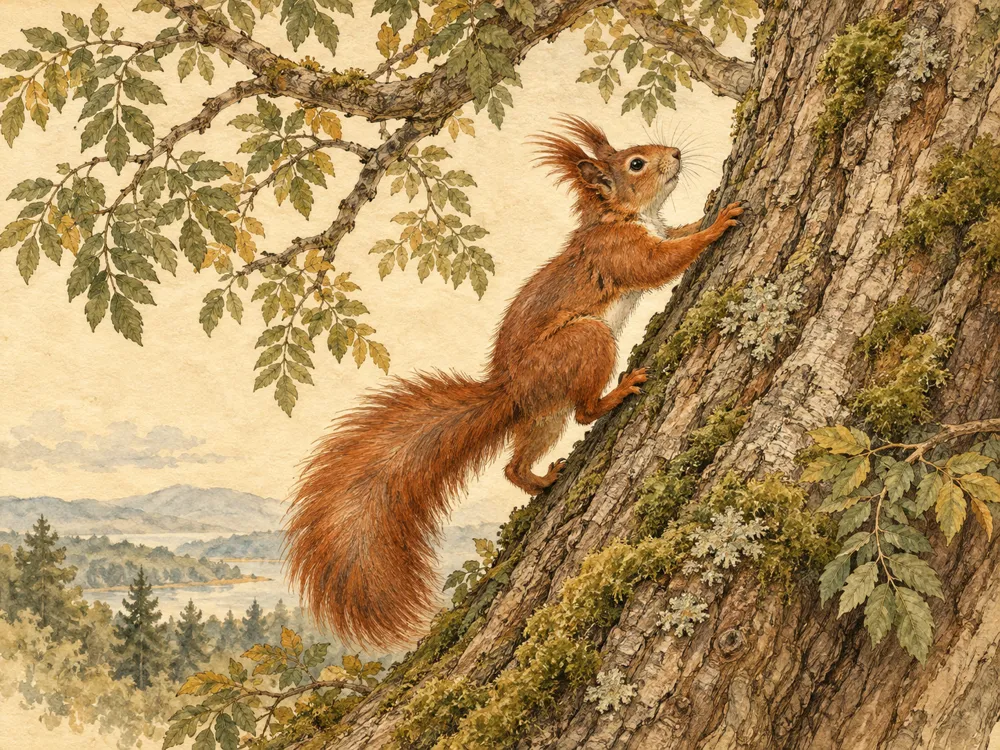
Creatures
The squirrel carrying hostile messages
Meet Ratatosk ↗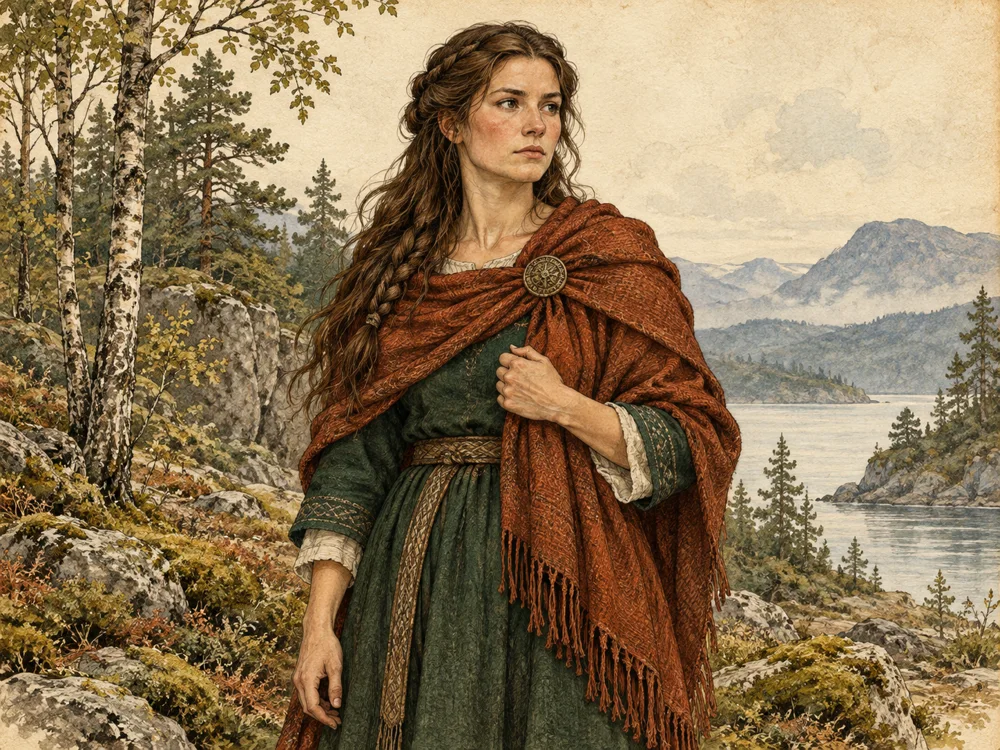
Gods & companions
Vali’s mother in the story of vengeance
Meet Rind ↗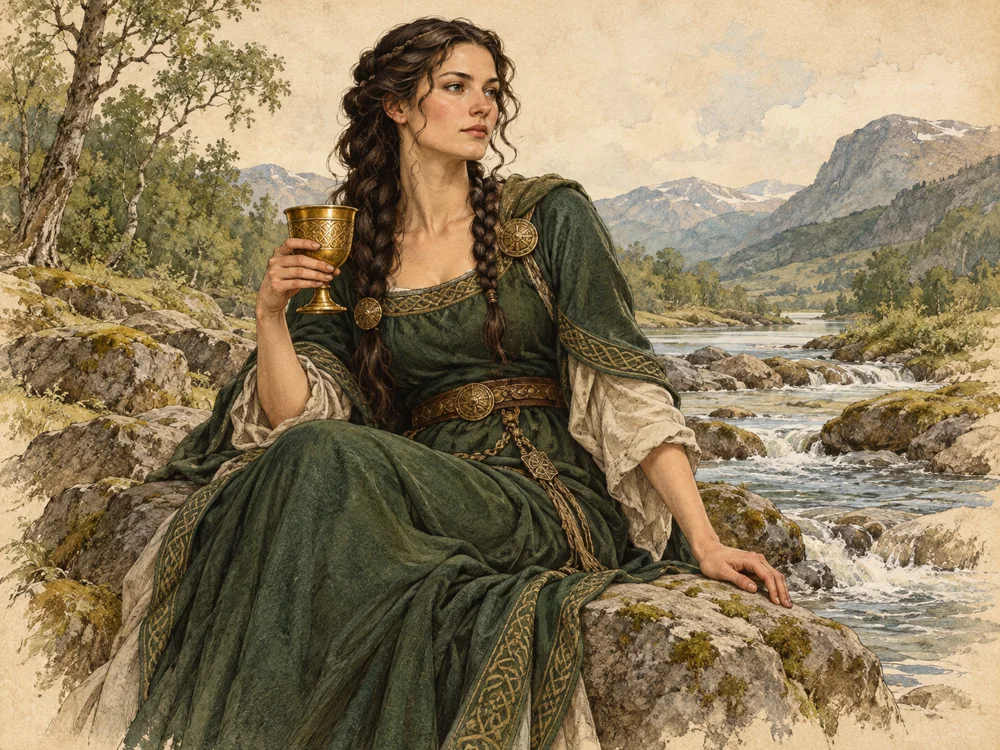
Gods & companions
A goddess beside the cool waters
Meet Saga ↗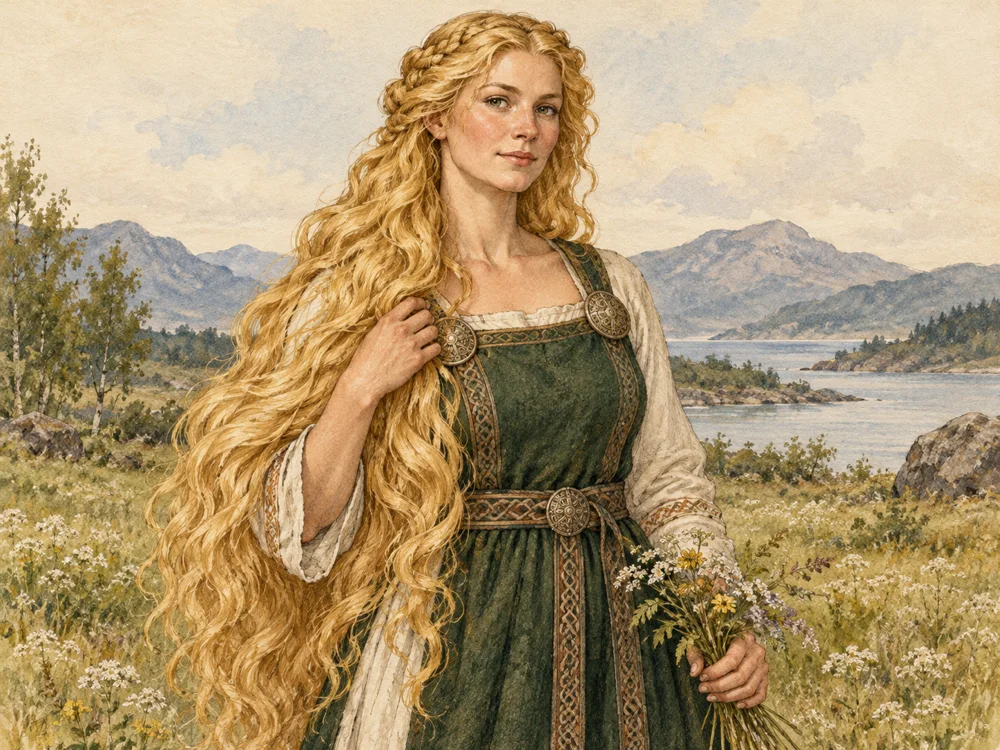
Gods & companions
Golden hair and a household touched by Loki’s mischief
Meet Sif ↗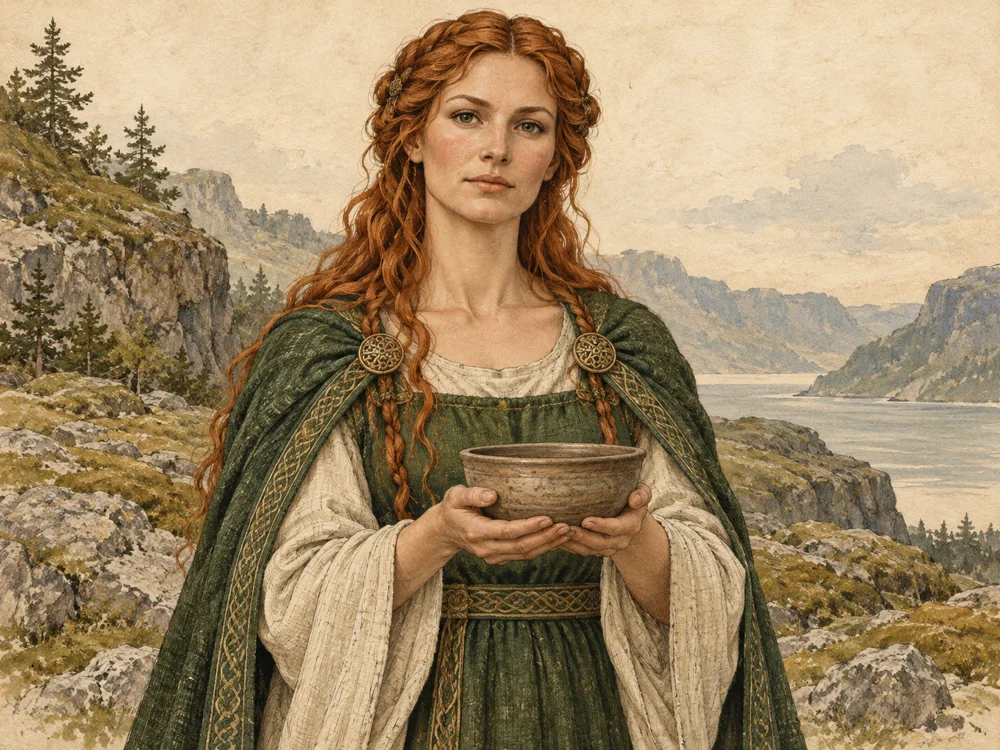
Gods & companions
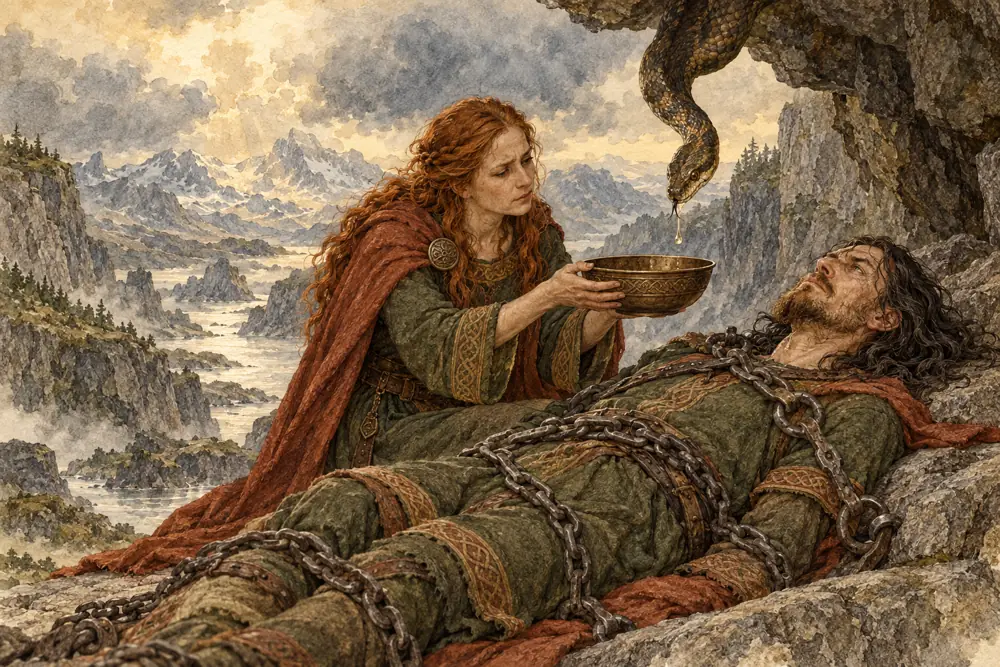
The bowl held beneath the falling venom
Meet Sigyn ↗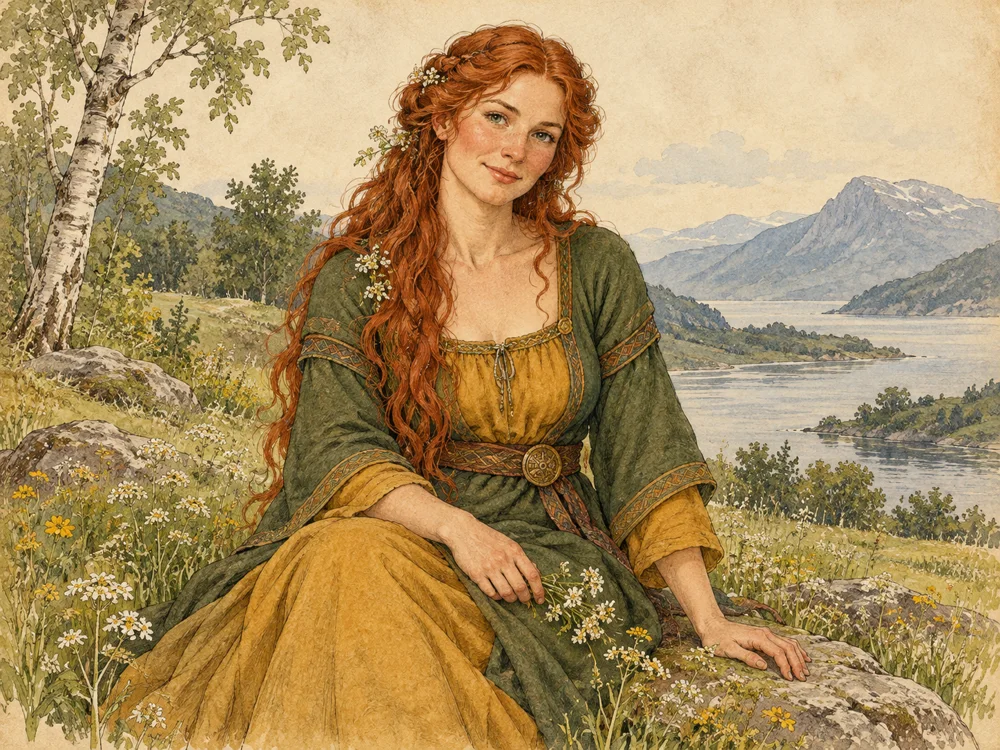
Gods & companions
A brief divine association with affection
Meet Sjofn ↗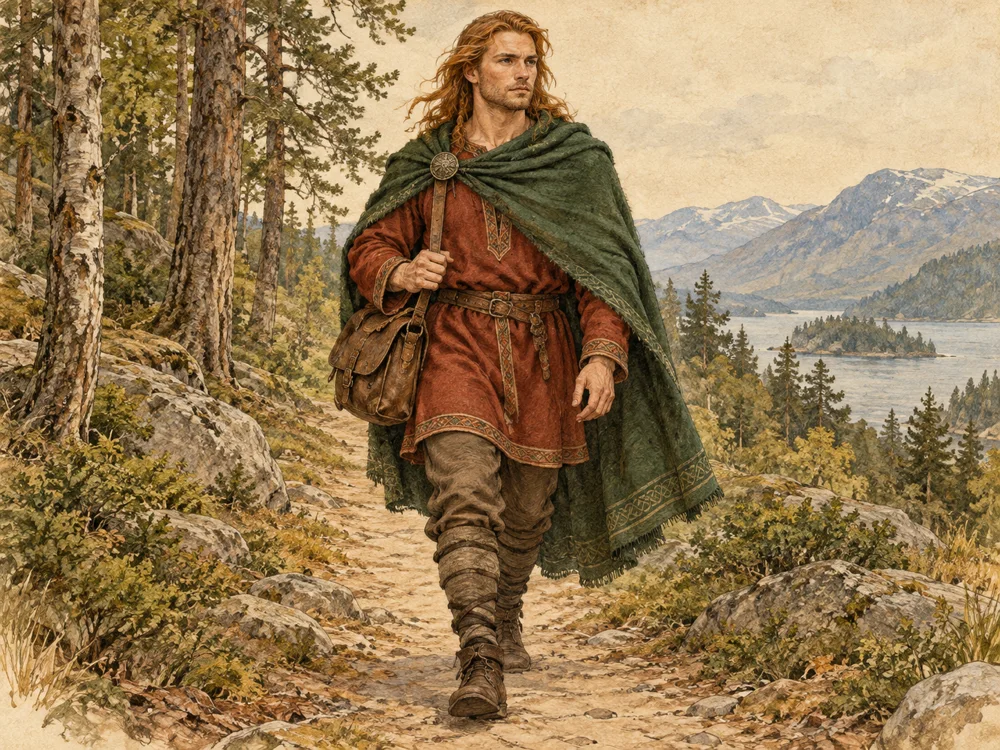
Gods & companions
Freyr’s messenger in a troubling courtship
Meet Skirnir ↗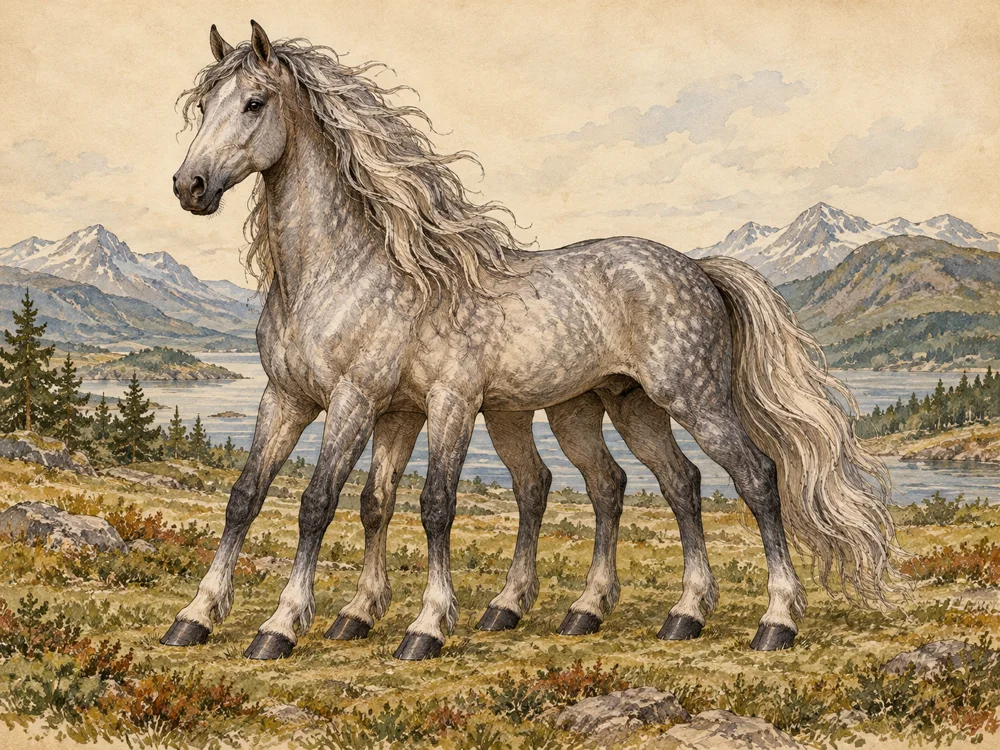
Creatures
Odin’s eight-legged horse
Meet Sleipnir ↗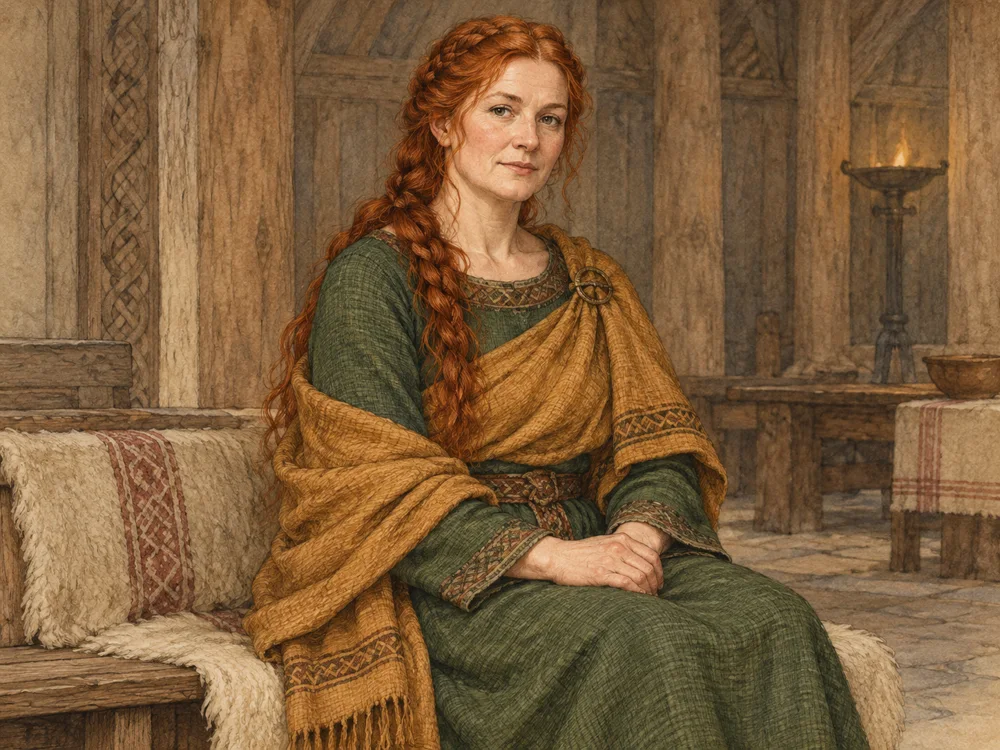
Gods & companions
Wisdom and measured conduct
Meet Snotra ↗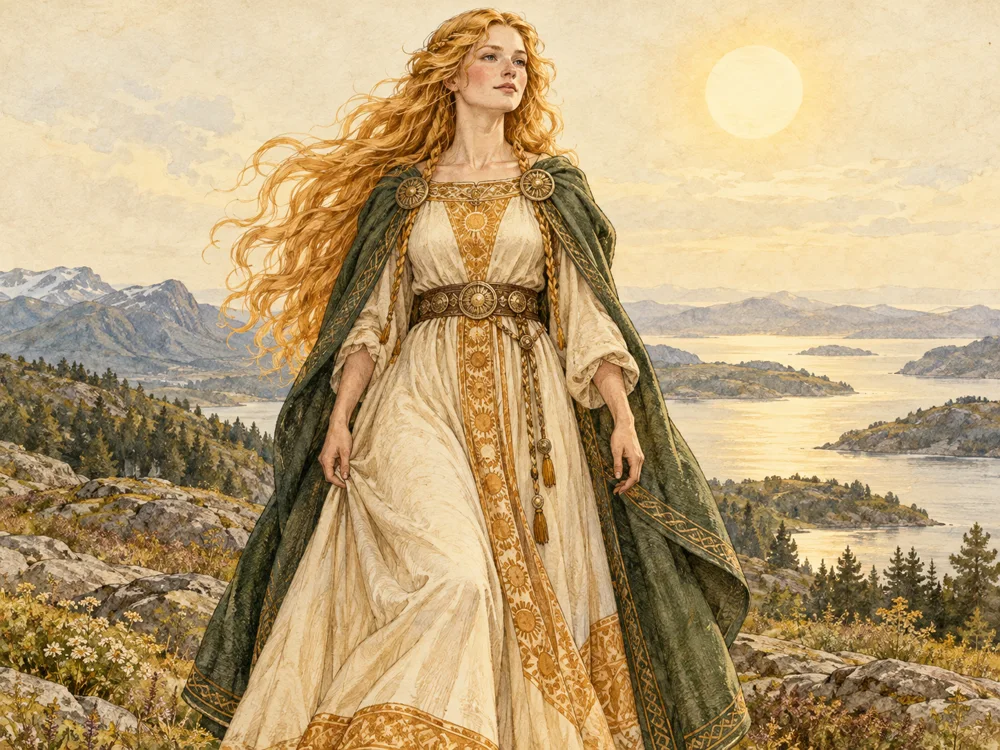
Other powers
The sun’s journey under pursuit
Meet Sol ↗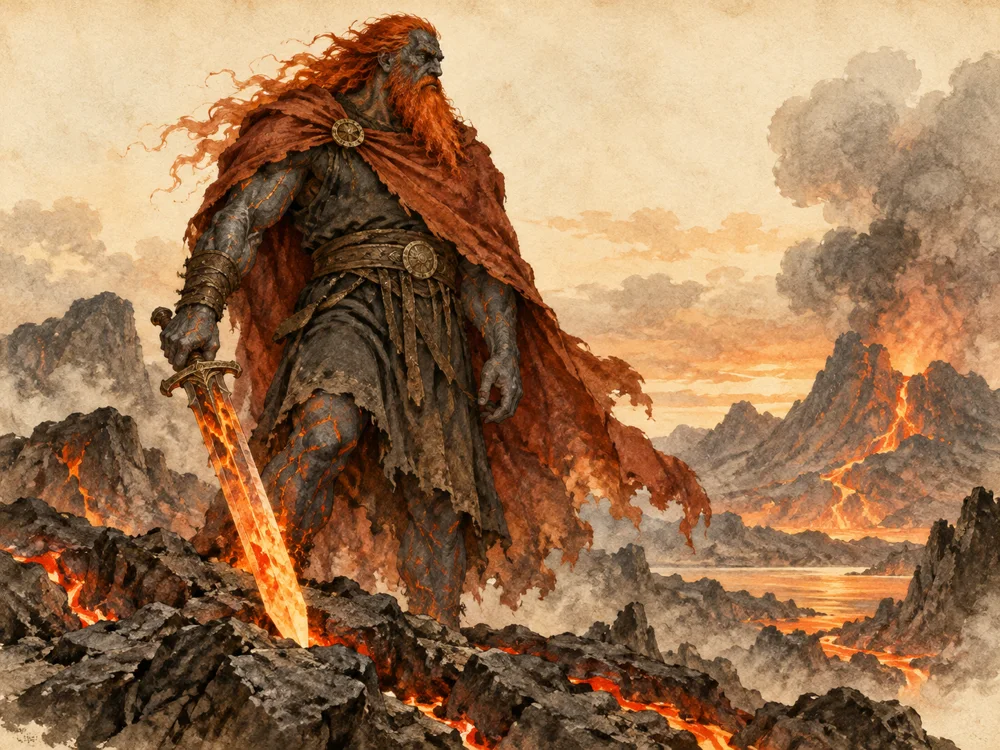
Jötnar & kin
Fire at the world’s ending
Meet Surtr ↗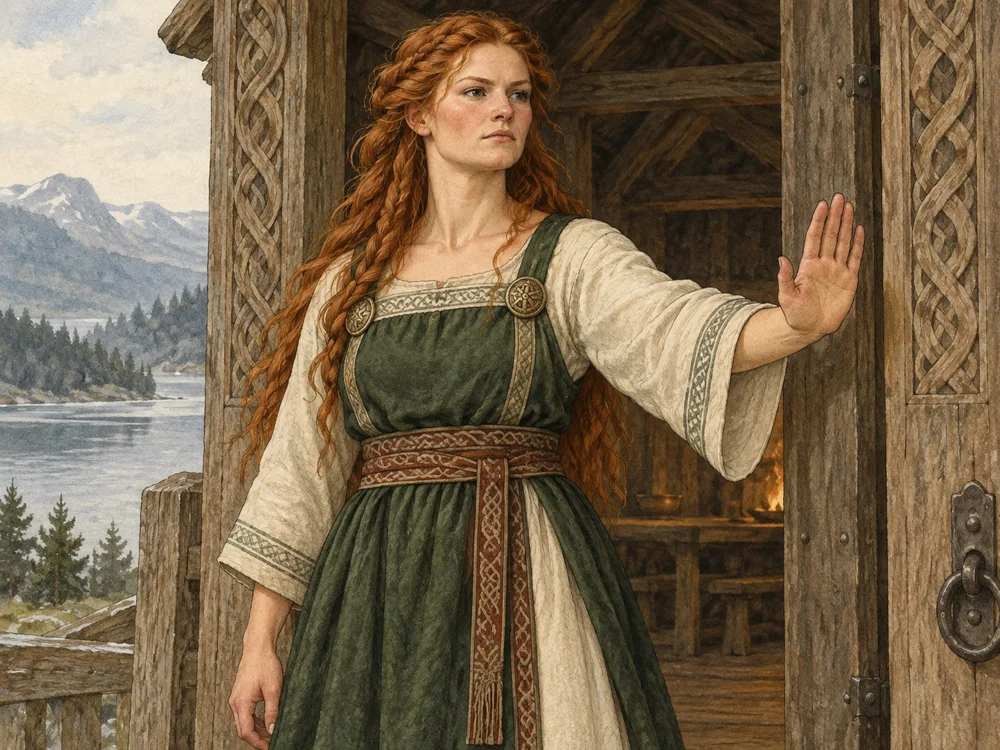
Gods & companions
The closed door and the right to deny
Meet Syn ↗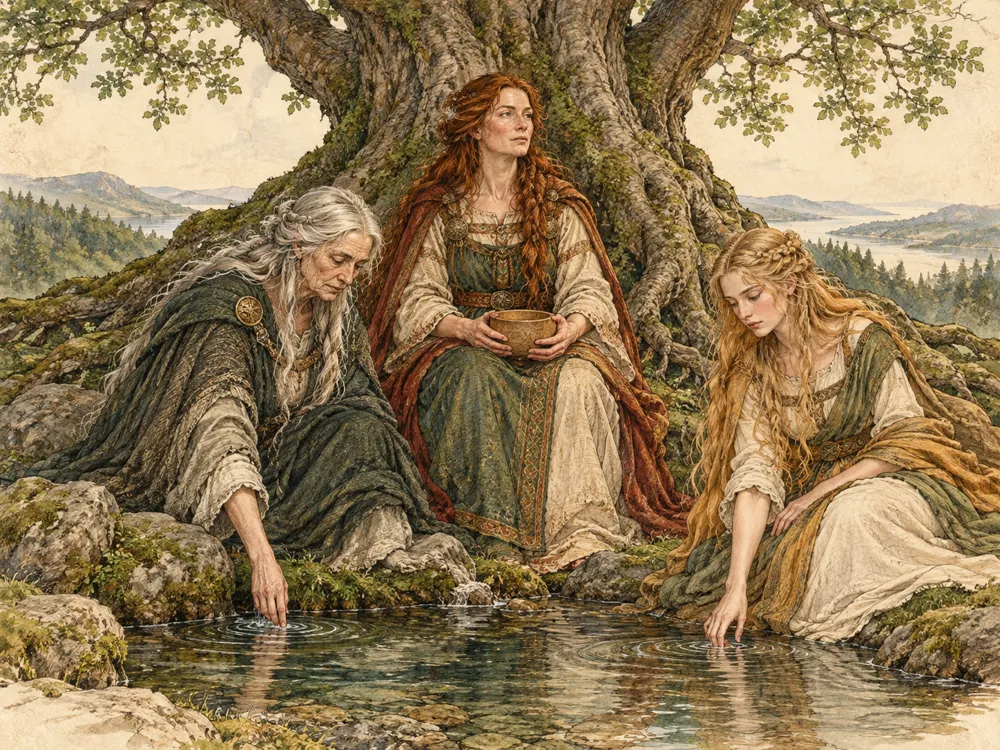
Other powers
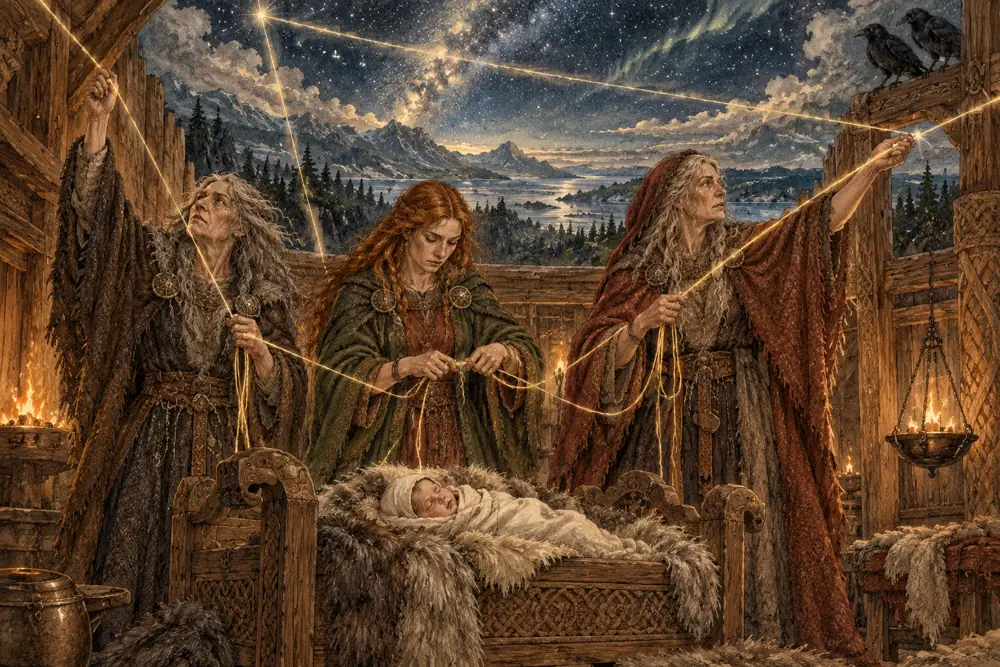
Lives allotted beneath the world-tree
Meet The Norns ↗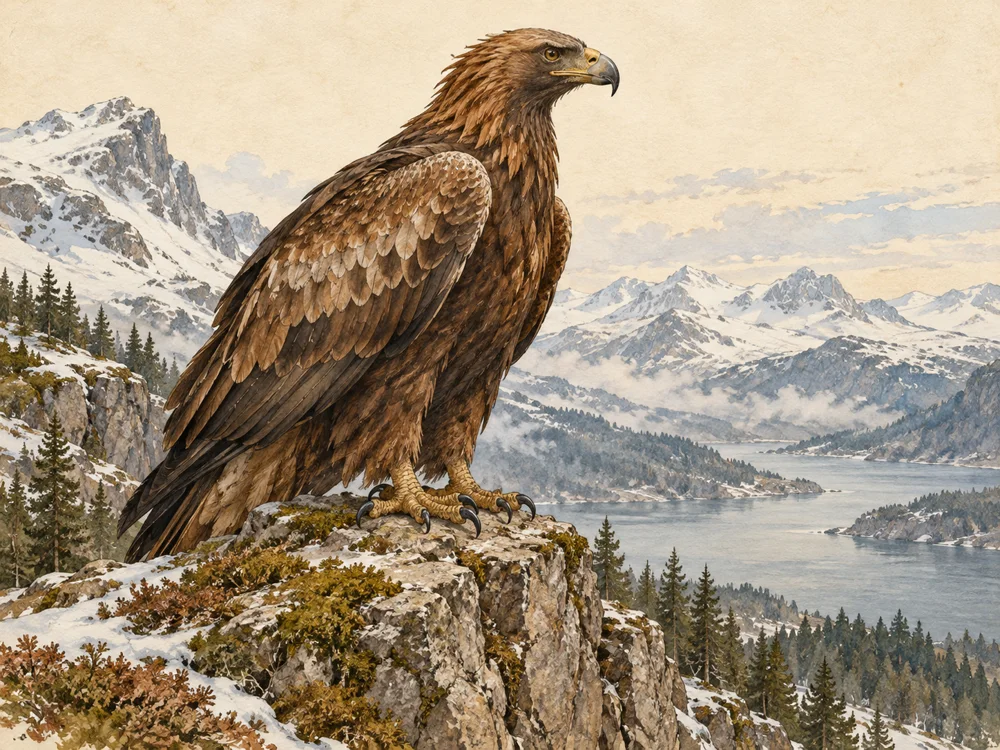
Jötnar & kin
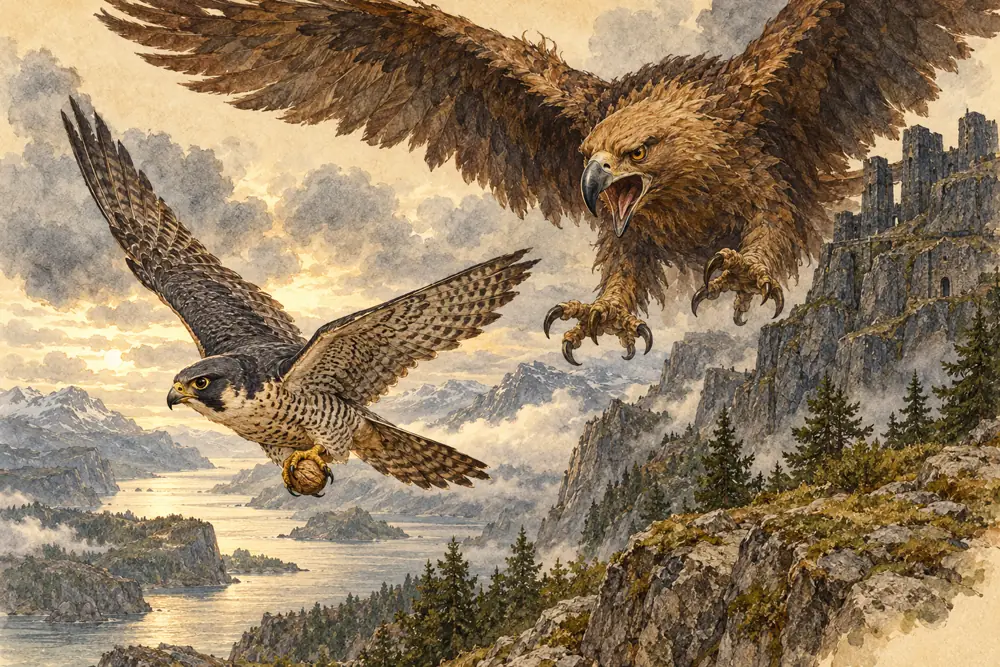
The eagle-shaped abductor of Idunn
Meet Thjazi ↗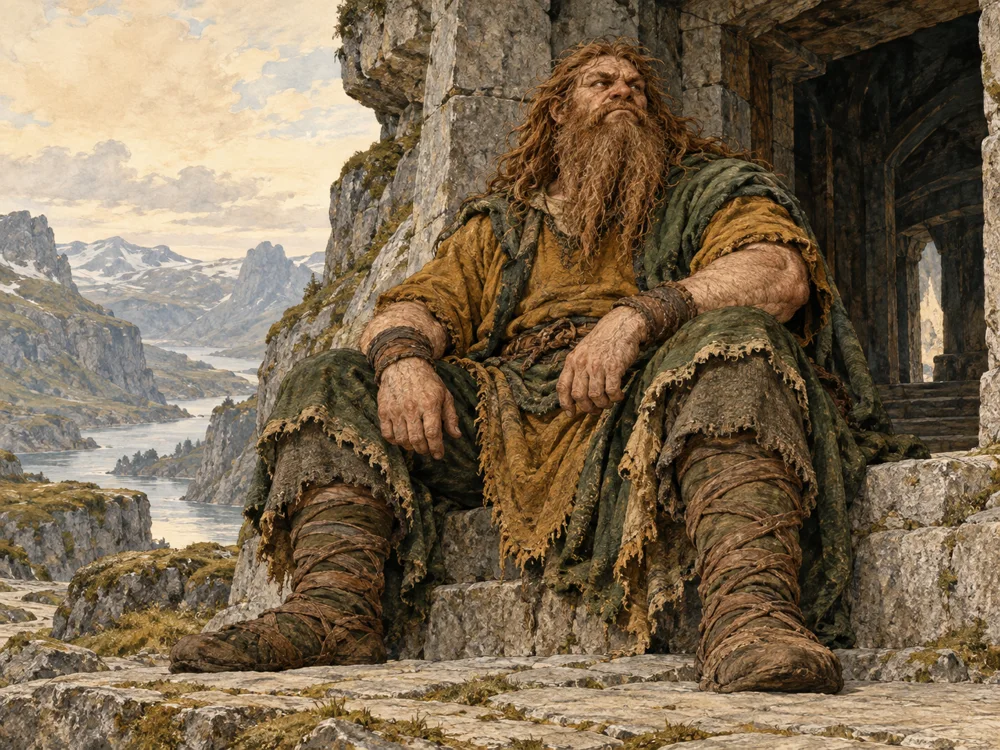
Jötnar & kin
The giant who demanded Freyja for Thor’s hammer
Meet Thrym ↗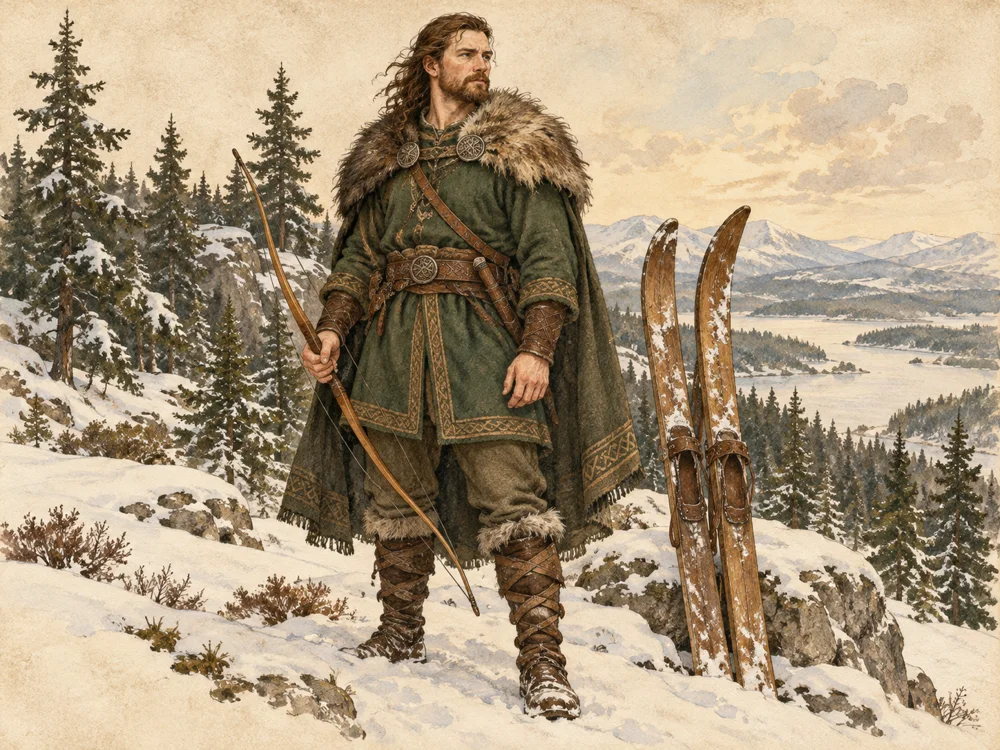
Gods & companions
The archer and swift traveller on snow
Meet Ullr ↗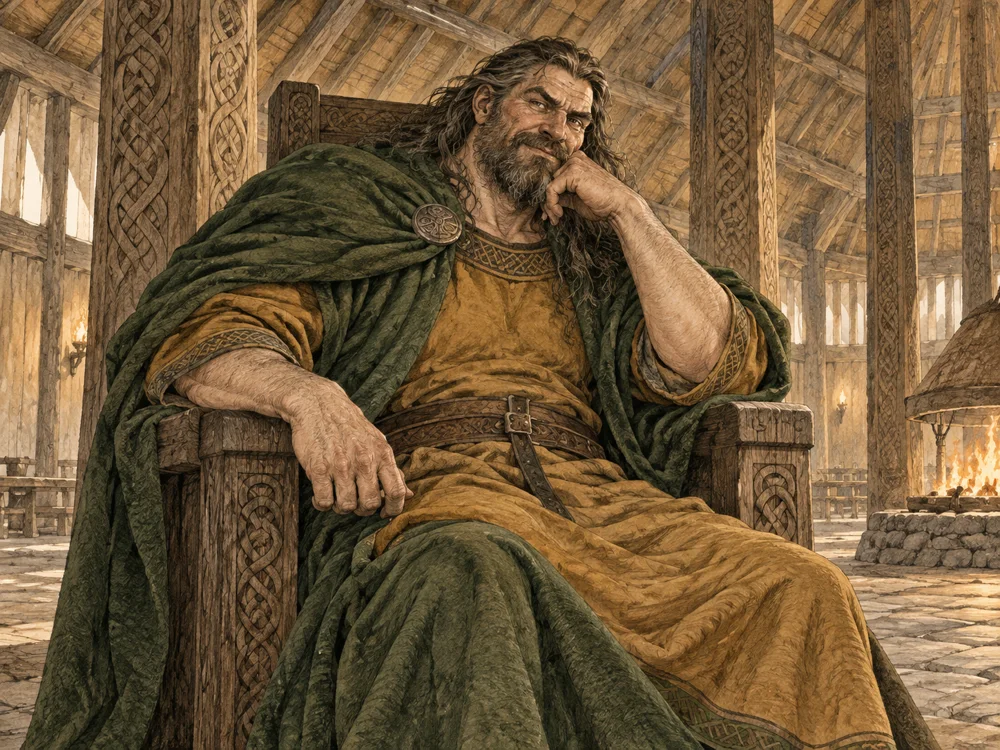
Jötnar & kin
Master of the impossible contests
Meet Utgarda-Loki ↗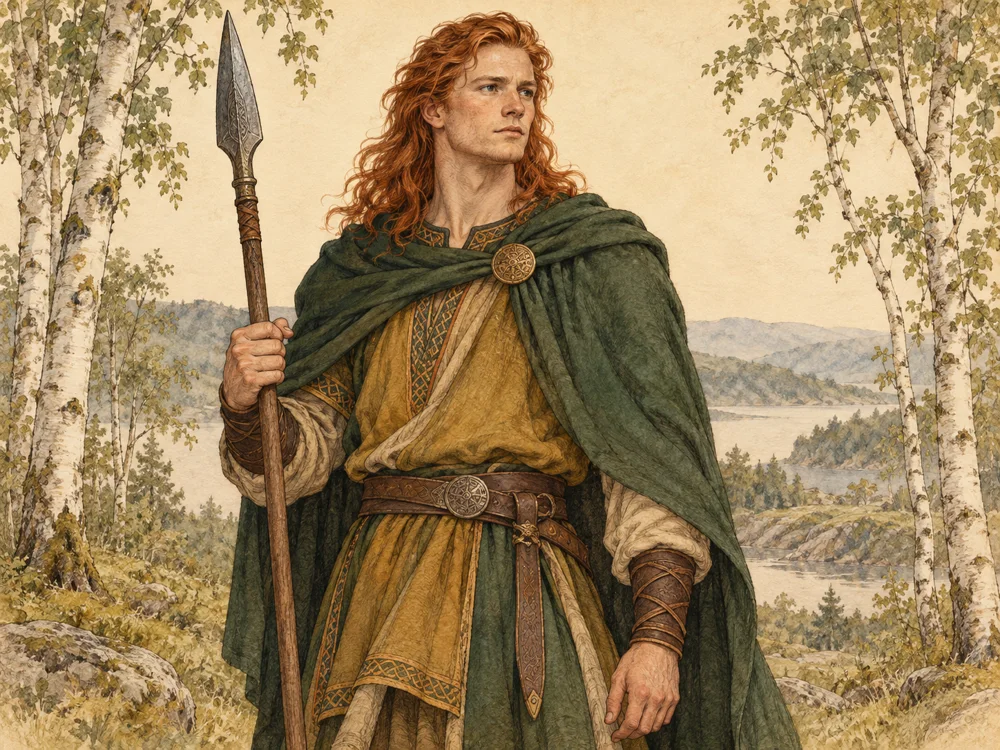
Gods & companions
The swiftly grown avenger of Baldr
Meet Vali ↗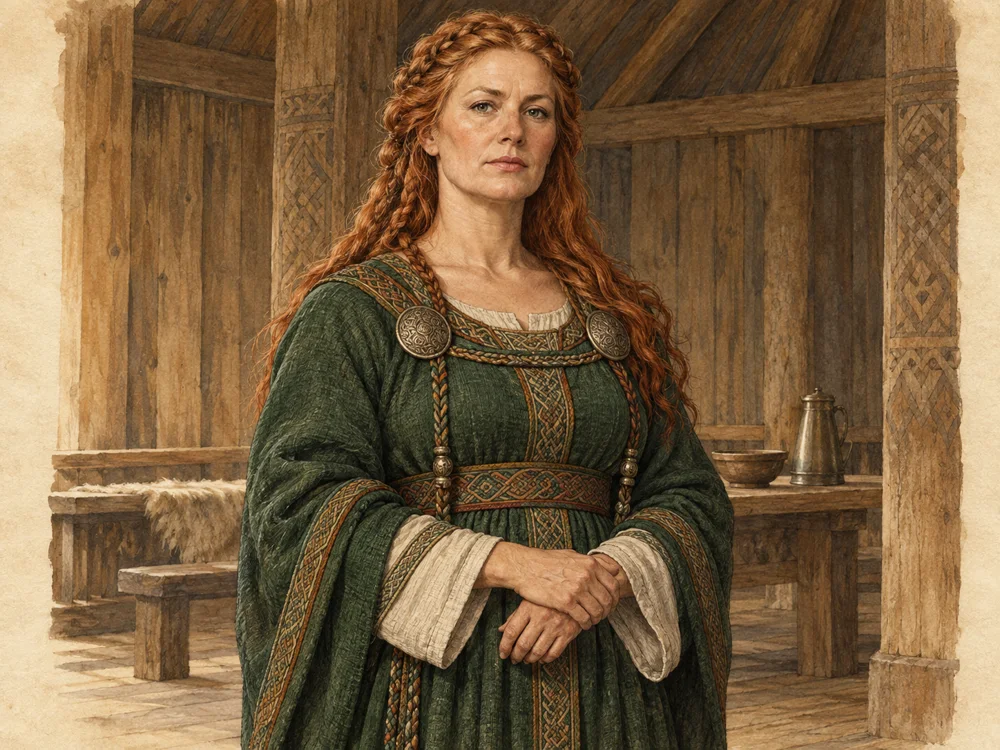
Gods & companions
The witness to promises and agreements
Meet Var ↗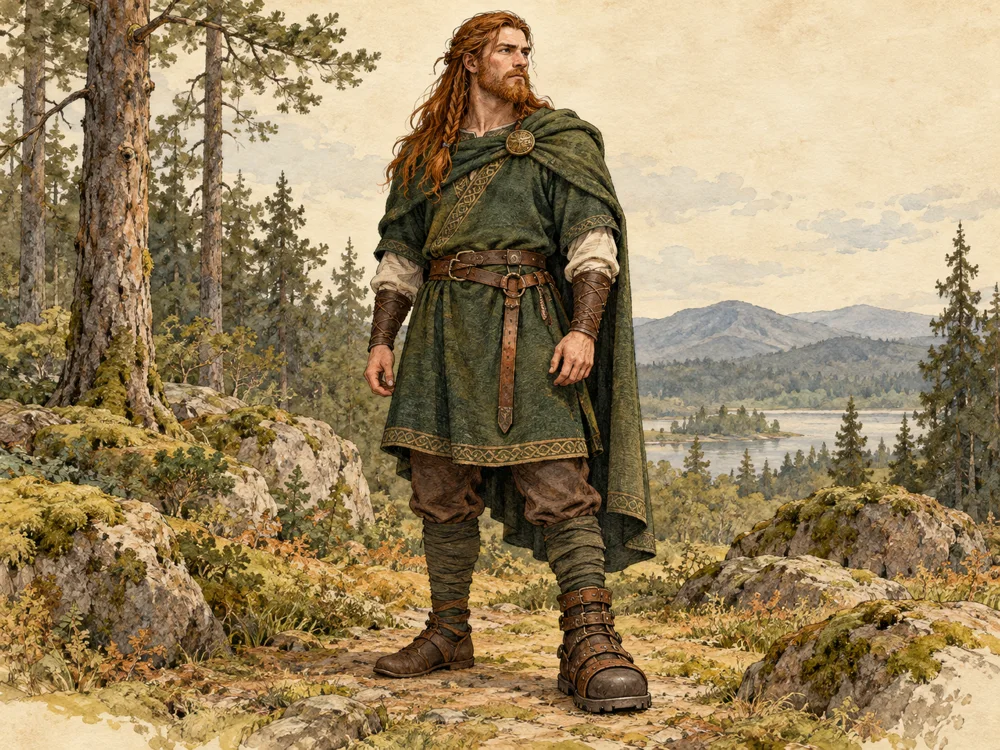
Gods & companions
The silent son who avenges Odin
Meet Vidar ↗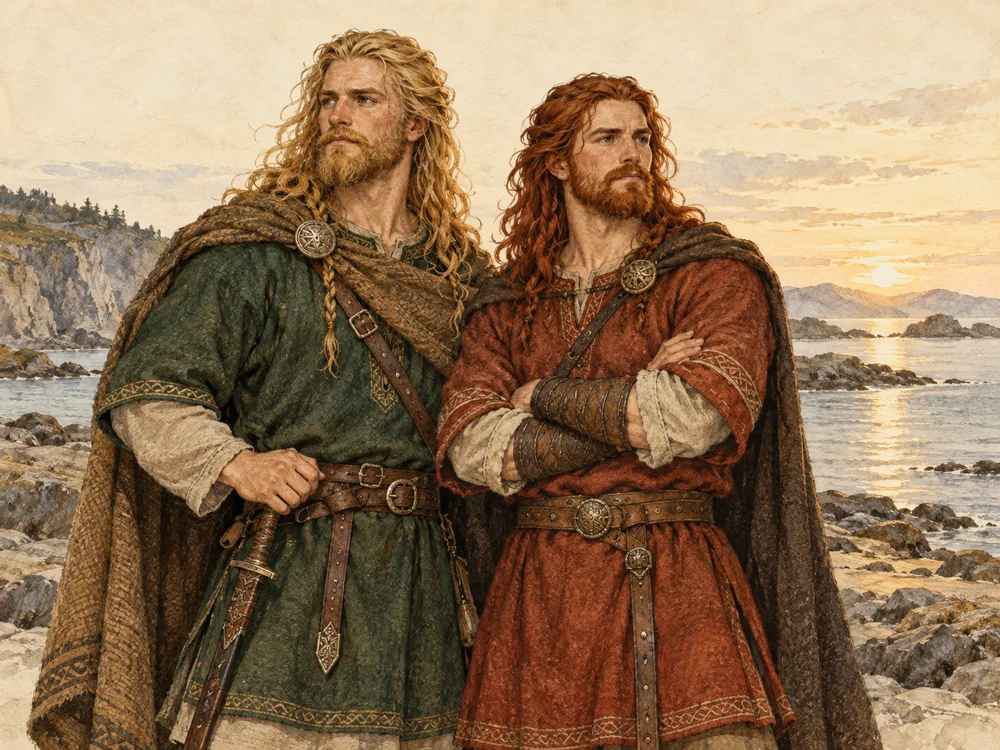
Gods & companions
Odin’s brothers in the shaping of the world
Meet Vili and Ve ↗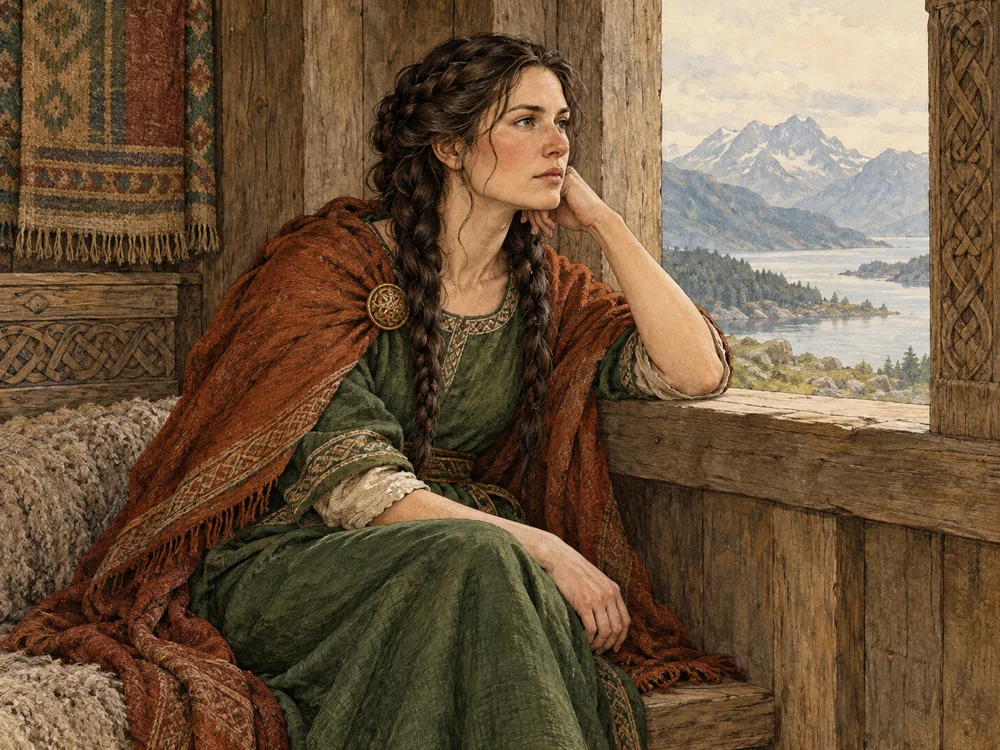
Gods & companions
A searching intelligence in a single description
Meet Vor ↗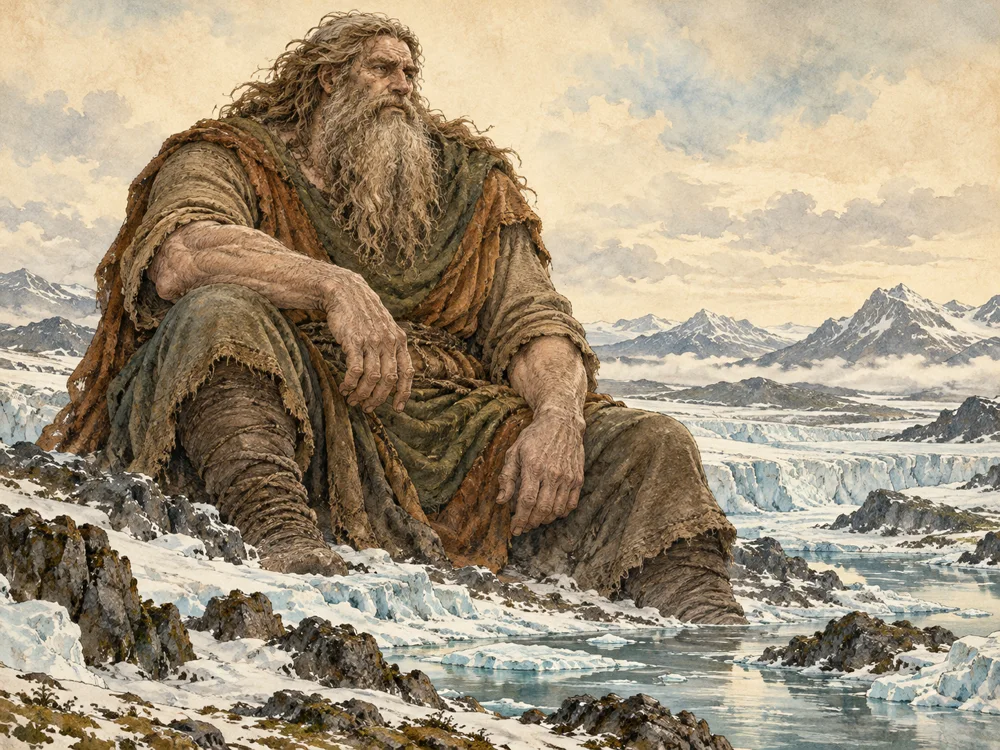
Jötnar & kin
The primordial being whose body becomes the world
Meet Ymir ↗No matching figures. Try another name or reset the filters.
Stay for a story
These are individual retellings and source guides. They do not form a complete, fixed chronology. The search above also filters this story shelf.
No matching stories. Try another search.
Explore Yggdrasil, divine halls, dangerous journeys, and the limits of a tidy “nine worlds” map.
Enter the mythic world ↗Find the medieval poems and prose behind the stories, and understand why their versions differ.
Explore sources & versions ↗Go further · Expanded October 16, 2026
A myth can be exciting on a first reading and more surprising on a second. Watch what a character wants, what limits their power, who tells the story and how the surviving text reached us. The gods become more interesting when their stories are allowed to disagree.
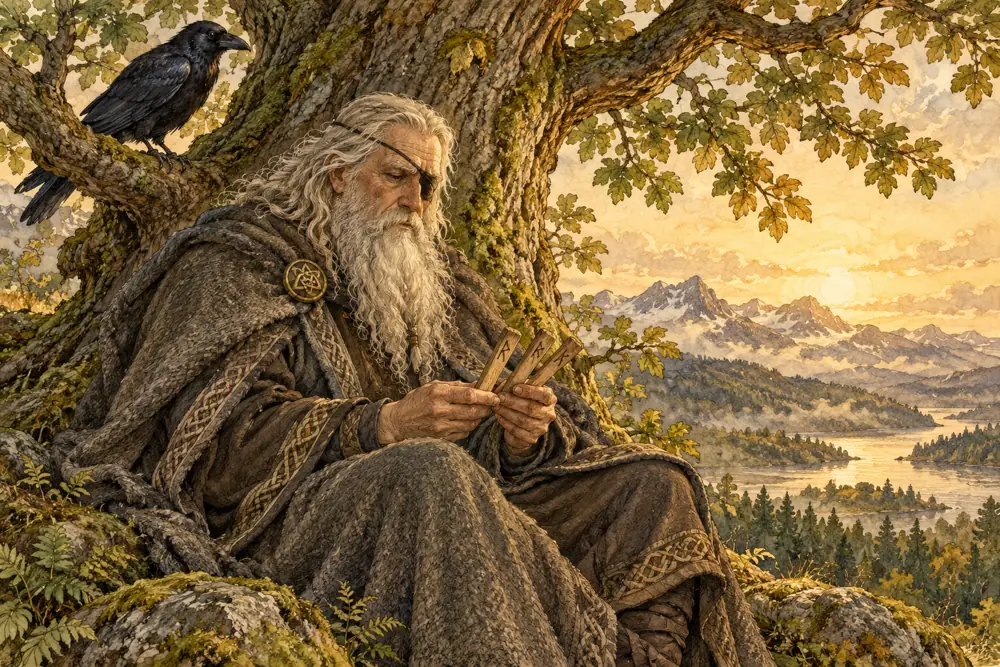
The principal Codex Regius manuscript of the Poetic Edda dates to around 1270. The Árni Magnússon Institute’s digital edition lets readers see the pages alongside transcriptions. This is a concrete surviving book, with a date, handwriting and physical structure—not a manuscript carried by a Viking raiding party.
That does not mean all its material was newly invented in the thirteenth century. It means the date of a surviving copy and the history of a poem are separate questions. Keep three layers in view: possible earlier traditions, the medieval recording of those traditions and the modern translation you are reading. A detail added in an explanatory note belongs to yet another layer. This helps explain why two reliable editions may present the same passage differently.
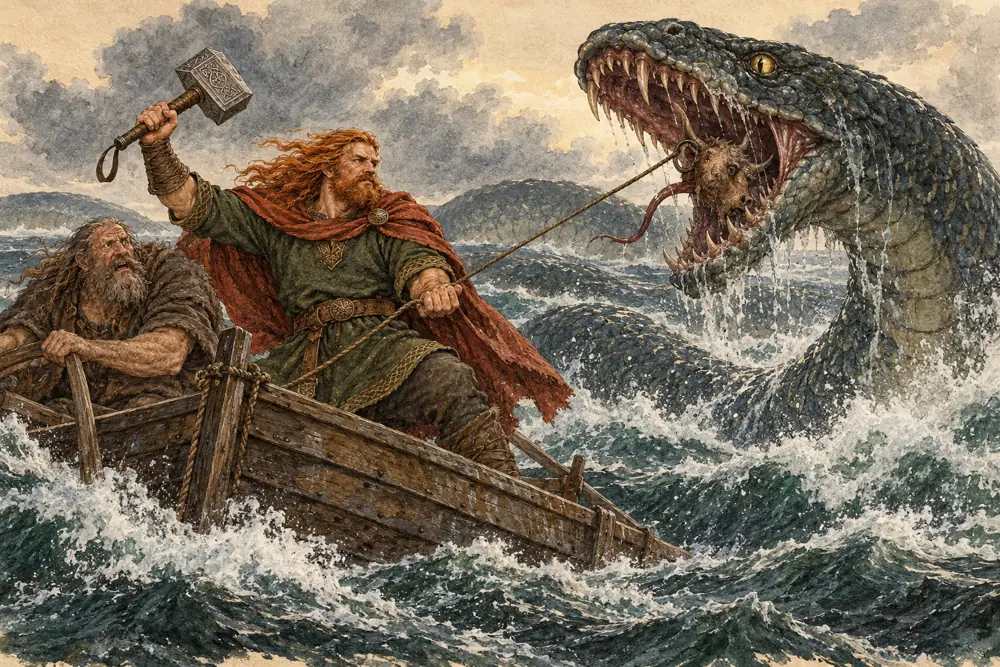
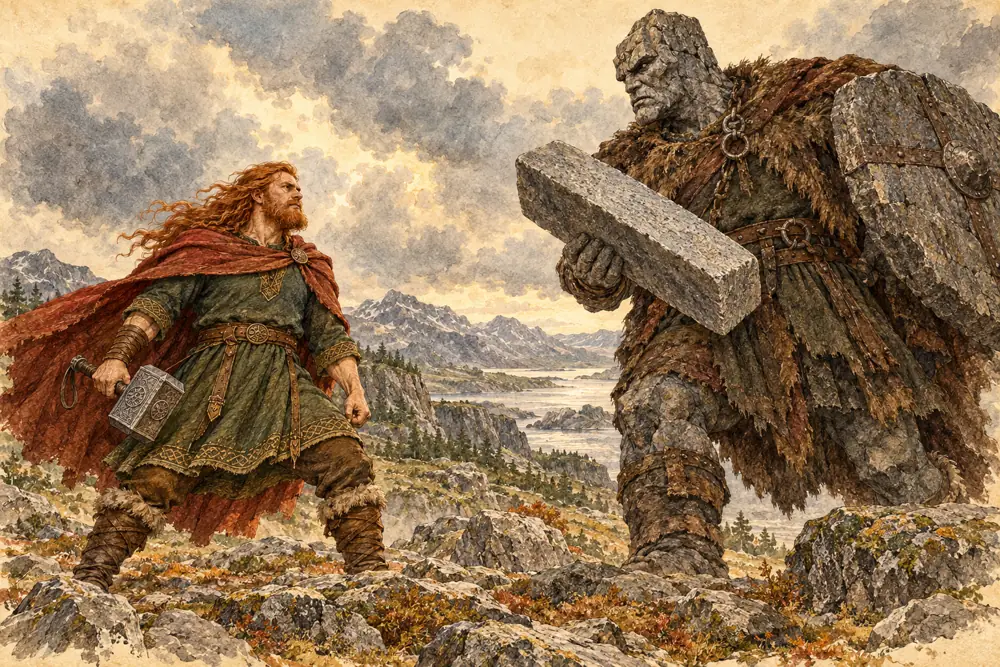
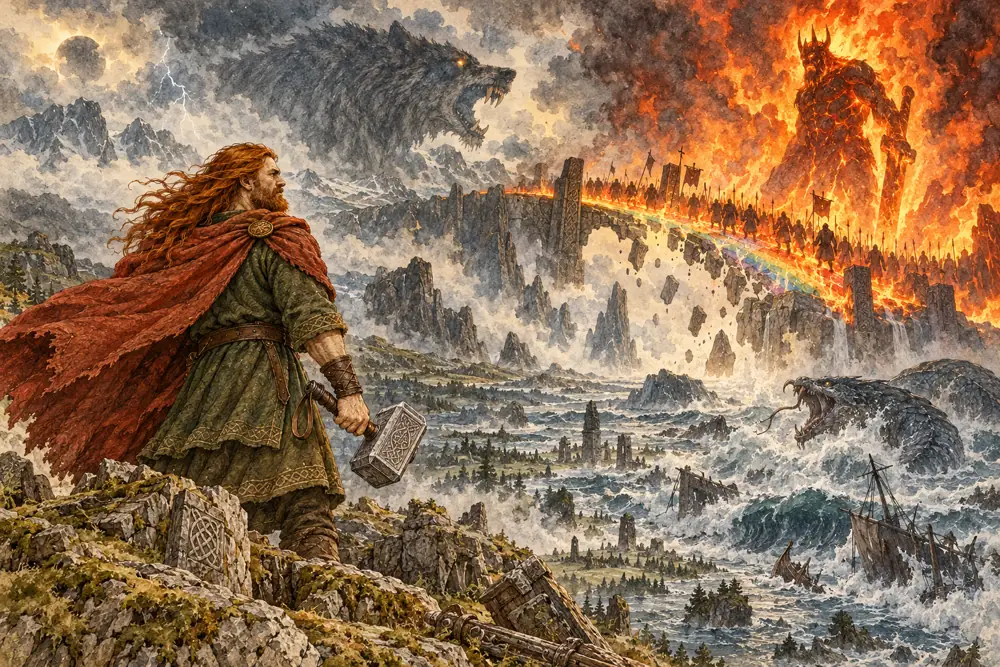
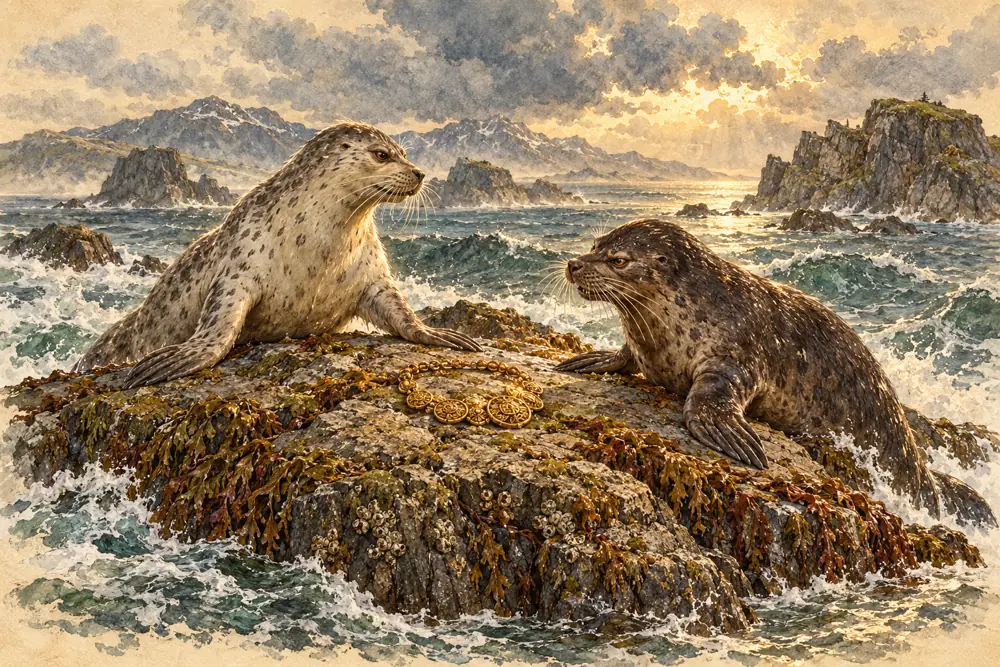
In Hymiskviða, the fishing episode belongs within a larger quest involving a great cauldron. Thor and Hymir venture out; Thor uses an ox’s head as bait and confronts the world-serpent. Read the episode as part of that sequence, rather than only as a spectacular isolated picture of a hammer and a monster. The encounter tests how far the god’s force can reach.
For a second reading, track the changes in scale: a household visit, a boat, the sea and a creature bound up with the order of the world. An ordinary activity becomes a confrontation with something enormous. Our full story compares this poetic account with Snorri’s treatment; do not silently combine the versions into one supposedly exact original.
Evidence and further reading: [3]
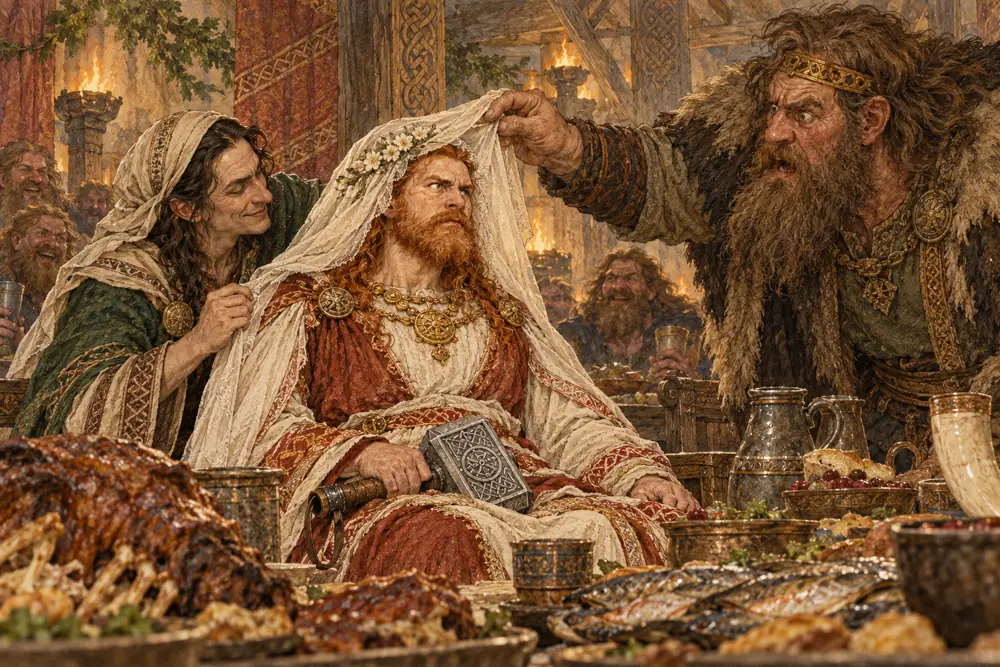
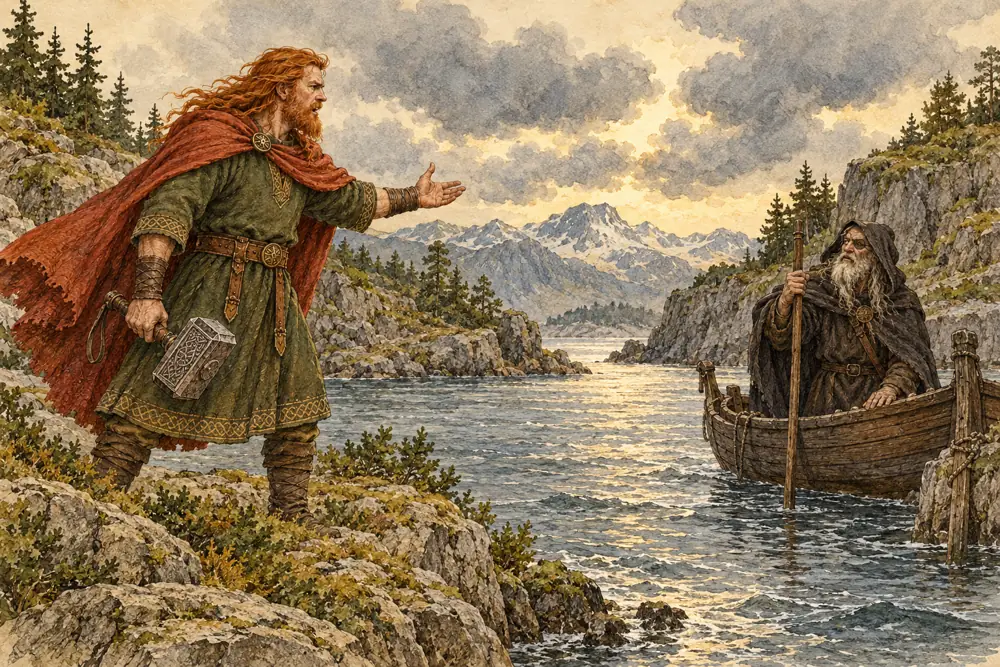
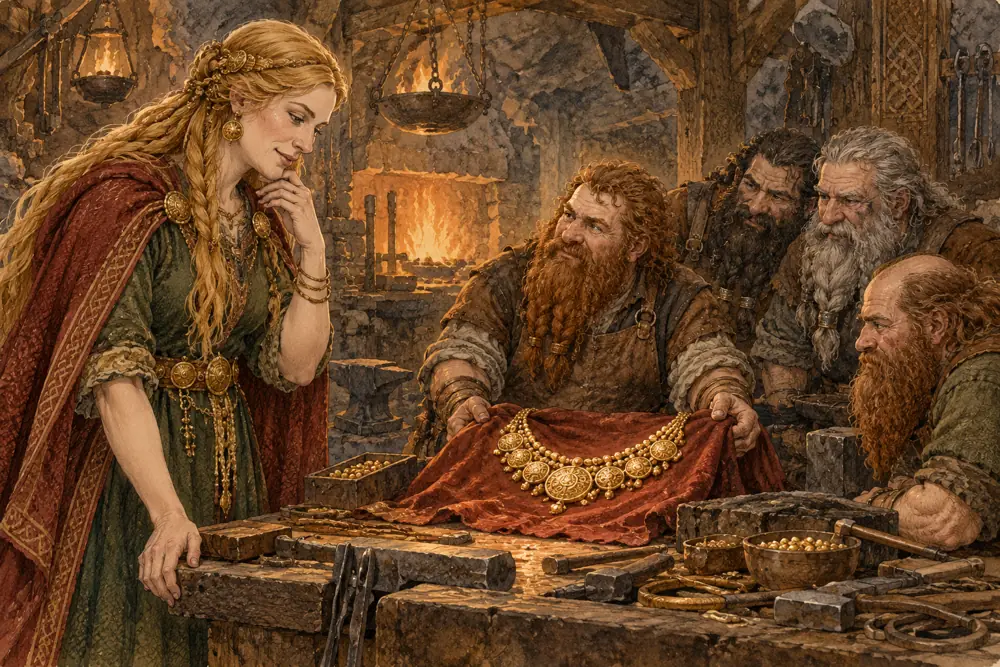
Þrymskviða begins with Thor’s hammer stolen and a demand for Freyja as the price of its return. Freyja refuses. The solution is a disguise: Thor takes the bride’s place and Loki accompanies him. At the feast, appetite and appearance threaten to expose the deception, until the hammer is brought within reach and the balance of power changes.
Read it first for the comic timing, then for the problem beneath the jokes. The gods have lost an object on which their security depends, and the proposed bargain treats another person as payment. A modern reader can explore refusal, disguise and vulnerability here without declaring that the poem is a straightforward description of ordinary marriage customs. A mythic wedding is still a mythic scene.
Evidence and further reading: [4]
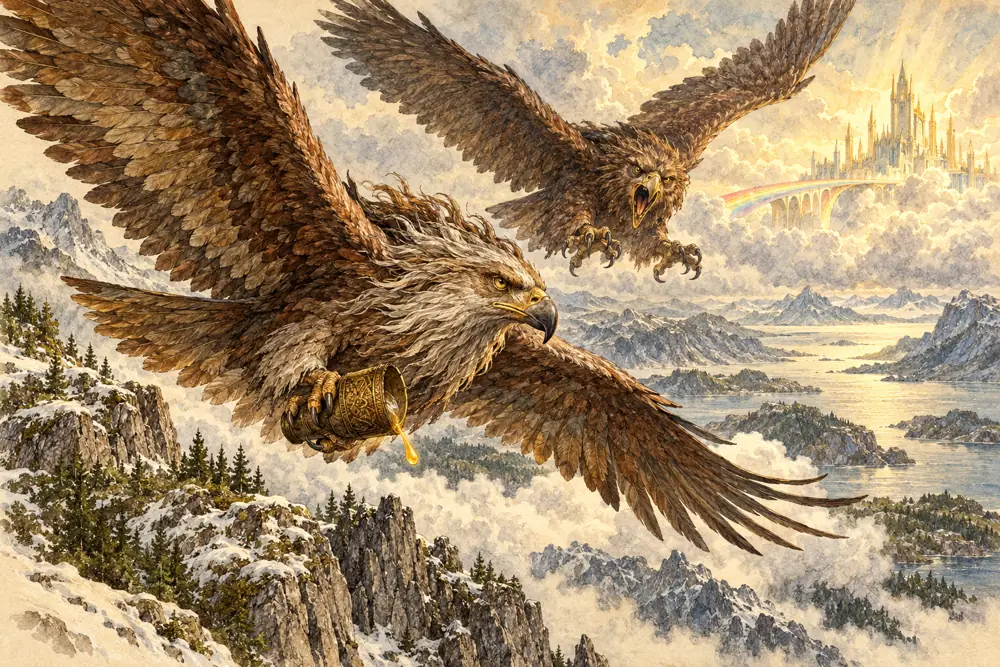
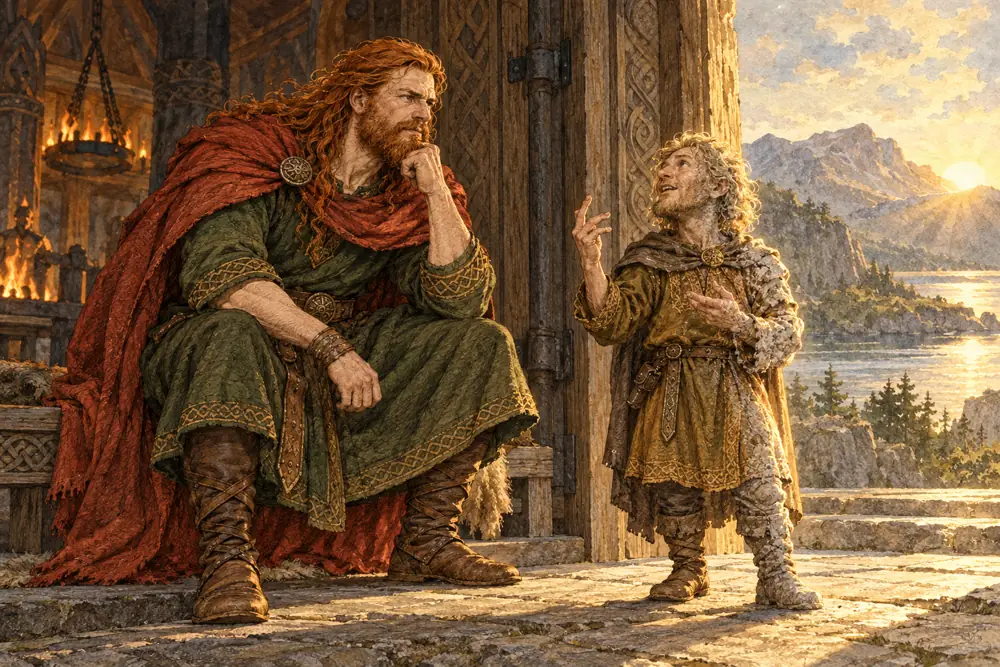
Grímnismál names a series of divine places, including Fólkvangr and Valhalla. In its account, Freyja receives half the battle-slain and Odin receives half. That passage complicates a common modern shortcut in which every Viking hopes for, and automatically reaches, one warrior heaven.
The poem is not a complete register of every person’s destination after death. It does not settle all the questions a modern reader might ask about children, farmers, different deaths or regional beliefs. Begin with what it actually says and compare other texts separately. Our profiles and story pages connect these passages, while keeping source differences visible. Uncertainty is part of reading the surviving mythology, not a gap that a neat chart can always fill.
Evidence and further reading: [5]
Keep exploring