
A place in the wider Viking world
Kyiv and the Dnipro: connections across the Rus world
Approximate reference point: 50.4529°, 30.5143°. Approximate modern location for orientation; not a reconstructed historical landing point.
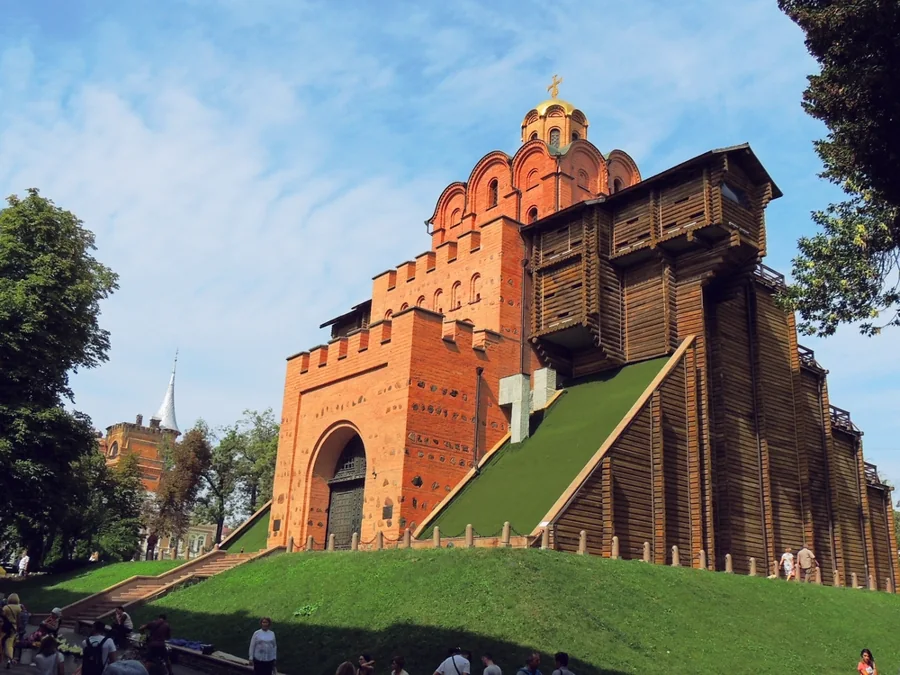
The place and its connections
Kyiv developed within the world of medieval Rus, where local Slavic populations, Scandinavian connections and wider regional networks interacted. It should not be described simply as a Viking colony or as the property of a modern nation projected backwards into the ninth century. Names used by medieval writers also changed over time.
Reading the surviving evidence
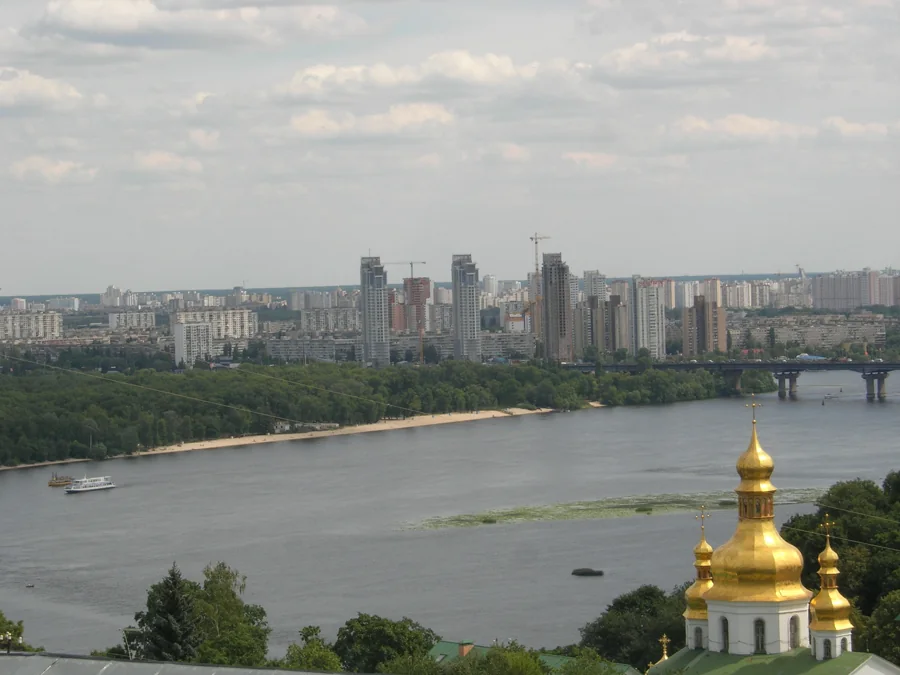
The Dnipro linked the region with the Black Sea and Byzantium. Routes combined river travel with difficult transfers between waterways. Goods, people, diplomatic contacts and armed expeditions travelled through these networks. Evidence for Scandinavian participation does not mean every merchant, boat crew or settlement was Scandinavian.
More than a voyage
Saint Sophia Cathedral represents the Christian and Byzantine-connected world of eleventh-century Kyiv. Its surviving mosaics and frescoes belong to that history, while the surrounding buildings and much of the present architectural appearance reflect later centuries. The monument is an excellent reminder that the eastern story continued into Christian medieval societies rather than ending with a familiar Viking-age date.
Explore the evidence
Sources checked October 17, 2026. This is a historical guide, not current travel-access advice.
- Vasyl Stus Donetsk National University: trade routes and Kyiv ↗
- UNESCO: Saint Sophia and related monuments ↗
- National Museum of Denmark: eastern travel ↗
Continue the journey
Take a closer look at the evidence
- The Rus–Byzantine Treaty of 911: Soldiers, Property, and Negotiated Peace
Relations with Constantinople involved more than raids and spectacular journeys. The treaty dated to 911 opens a window onto military service, disputes, and the belongings of people who died far from home.
- Olga at the Imperial Court: Reading a Diplomatic Reception
Olga’s reception at Constantinople survives in unusually detailed ceremonial writing. Rooms, audiences, banquets, and attendants illuminate the encounter more securely than a simple story about a northern ruler being overwhelmed by Byzantine splendor.
- A Mission That Failed: Olga, Otto I, and Adalbert in 961–962
Olga’s contacts were not confined to Constantinople. An appeal to Otto I brought a western bishop to Rus, but the mission failed. Its surviving account is especially revealing because the disappointed missionary also became a chronicler.