
Legend placed in the 9th century
Ragnar Lothbrok
Hero of later stories about kingship, adventure and revenge
The person and the story
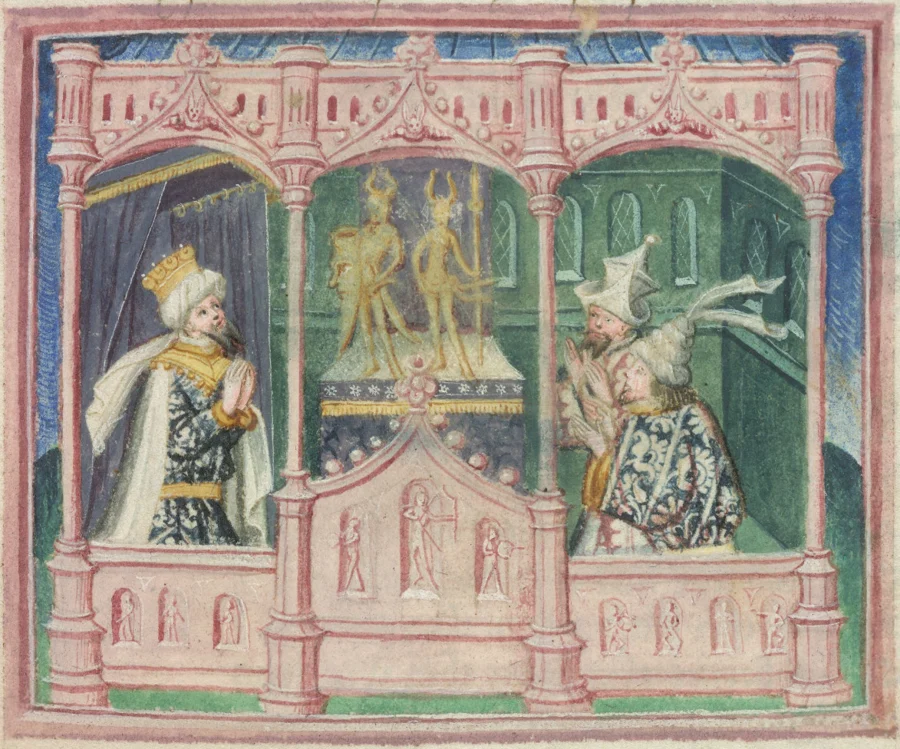

Ragnar Lothbrok is among the best-known Viking names, but his fame is not matched by a securely reconstructable biography. Medieval narratives present him as a formidable hero and father of famous warriors. Their Ragnar belongs to a world where possible historical memories mingle with literary invention and inherited heroic themes.
The celebrated story of Ragnar’s death in a snake pit explains his sons’ attack on Northumbria as revenge. Archaeologists and historians can investigate the ninth-century army and the capture of York without accepting that explanation. The revenge narrative survives in much later sources whose dramatic purpose demands caution.
It is tempting to assemble every similar ninth-century name or event into one life. That produces apparent certainty by joining evidence that may concern different people. The more useful approach is to enjoy Ragnar’s stories as stories, then ask separately which campaigns, leaders and political changes can be established from earlier evidence.
The serpent, the trousers and the making of a hero
Ragnar Lodbrok, Ragnar Lothbrok and Ragnarr loðbrók are forms of the same legendary name. In Saxo’s account, Thora’s terrifying snakes become a challenge for anyone hoping to marry her. Ragnar prepares protective clothing and defeats them. The episode gives his unusual clothing a memorable purpose: it belongs to a monster-slaying story, not an archaeological description of standard Viking equipment.
A father competing with his sons
The Icelandic saga makes the next generation ambitious. Ivar, Bjorn and their brothers want ships, followers and reputations of their own. They attempt feats that will distinguish them from their father. This is one reason the family remains compelling: the story is about inheritance and rivalry as much as fighting. Its family relationships are literary traditions, not a surviving ninth-century civil register.
The snake pit and the historical war
Ragnar’s capture and death become the emotional explanation for his sons’ vengeance. That narrative gives an invasion a personal motive and a memorable villain. The Anglo-Saxon Chronicle instead describes an army’s movement into Northumbria, political division there and the deaths of both rival kings. Its account does not establish Ragnar’s snake-pit death as the cause of the campaign. Neither version should silently be made to supply what the other does not say.
Follow the connected lives
Follow the evidence
Source check: October 17, 2026. The links below explain the evidence and interpretations behind this introductory profile.