
Journeys & Encounters · Place profile
Byestad: A large late Iron Age cemetery
In Brief
Byestad near Vetlanda is a major cemetery in the Emån landscape. Its many surviving graves make an inland community visible on a Viking-world map, while a documented horse-equipment find provides a more specific Viking-Age connection than the appearance of the mounds alone.
On this page
A large late Iron Age cemeteryA damaged grave and a useful findWhy the ordinary landscape mattersSourcesPresent-day location: Sweden · Småland
Names and search variants: Byestad · Byestadsgravfältet · Byestad cemetery
Browse places by country →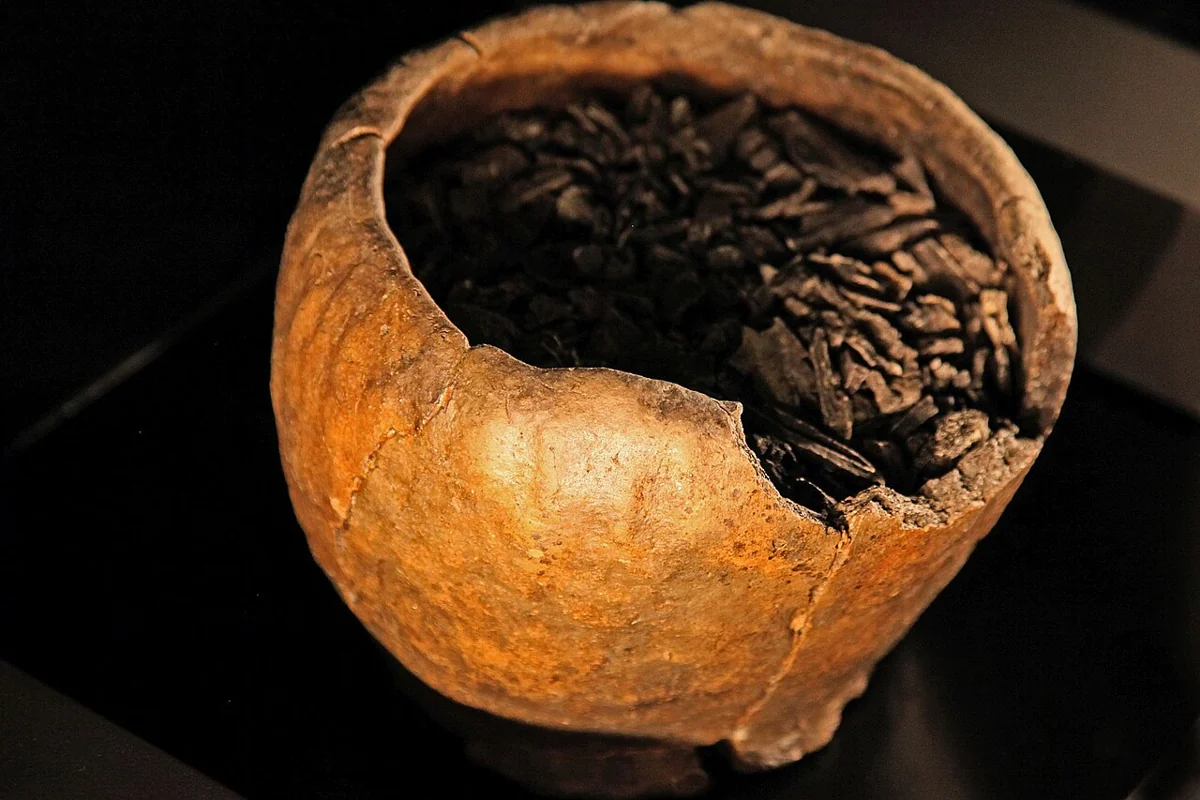

A large late Iron Age cemetery
Jönköping County Museum records more than three hundred visible features, principally rounded stone settings and mounds, with several less common forms. The broad chronology runs from the later Iron Age into the end of the Viking period. That is a range for the cemetery, not a single date for all its features.
A damaged grave and a useful find
Building work in 1944 damaged graves and brought cremated remains, pottery, and part of a horse bit to light. The bit was dated to the Viking Age. Because the recovery was not a modern controlled excavation, its context needs more caution than a fully documented burial assemblage.
Why the ordinary landscape matters
The cemetery’s scale raises questions about the communities who used it and how the surrounding countryside was organized. It does not prove that one ruler commanded every nearby farm. Comparing Byestad with smaller cemeteries can reveal differences in visibility and preservation without ranking all sites by wealth alone. A modest iron object can contribute more chronological information than an impressive but undated mound.
Explore more Viking-Age places →
Explore this record and its sources in the map collection →
This entry is searchable by place and country. No verified burial-site coordinate is supplied, so it has no map marker or directions.
The Evidence
The sources below support this article. Interpretations and limits are explained in the text; this is not an exhaustive research review.