
Journeys & Encounters · Introduction
Birka and Hovgården: Trade, Power, and Burials


In Brief
Birka was a place where waterways, exchange, and political authority met. Its remains on Björkö and the neighboring royal center at Hovgården reveal how a trading settlement belonged to a wider landscape of power.
Björkö and Adelsö, Sweden · About 750–980 CE; Hovgården continued later
A town and its royal neighbor
Birka, in present-day Lake Mälaren west of Stockholm, flourished approximately between 750 and 980 CE. Hovgården stood across the water on Adelsö. UNESCO treats the two places as one connected archaeological landscape: the trading town and its royal neighbor should be understood together.
Look beyond individual treasures. Harbor remains, defenses, burial grounds, and the settlement area show different aspects of the same community. Birka occupied a useful meeting point of waterways, while Hovgården supplied a center of authority. The royal site continued after Birka's trading role ended; the disappearance of one town did not erase the importance of its surroundings.
Inside the chamber graves
The Swedish History Museum describes an especially striking burial form: large wooden chambers placed within rectangular pits. Traces show that some had timber floors, walls, and roofs. Some were covered by mounds. These were carefully constructed settings for the dead, rather than simple holes in the ground.
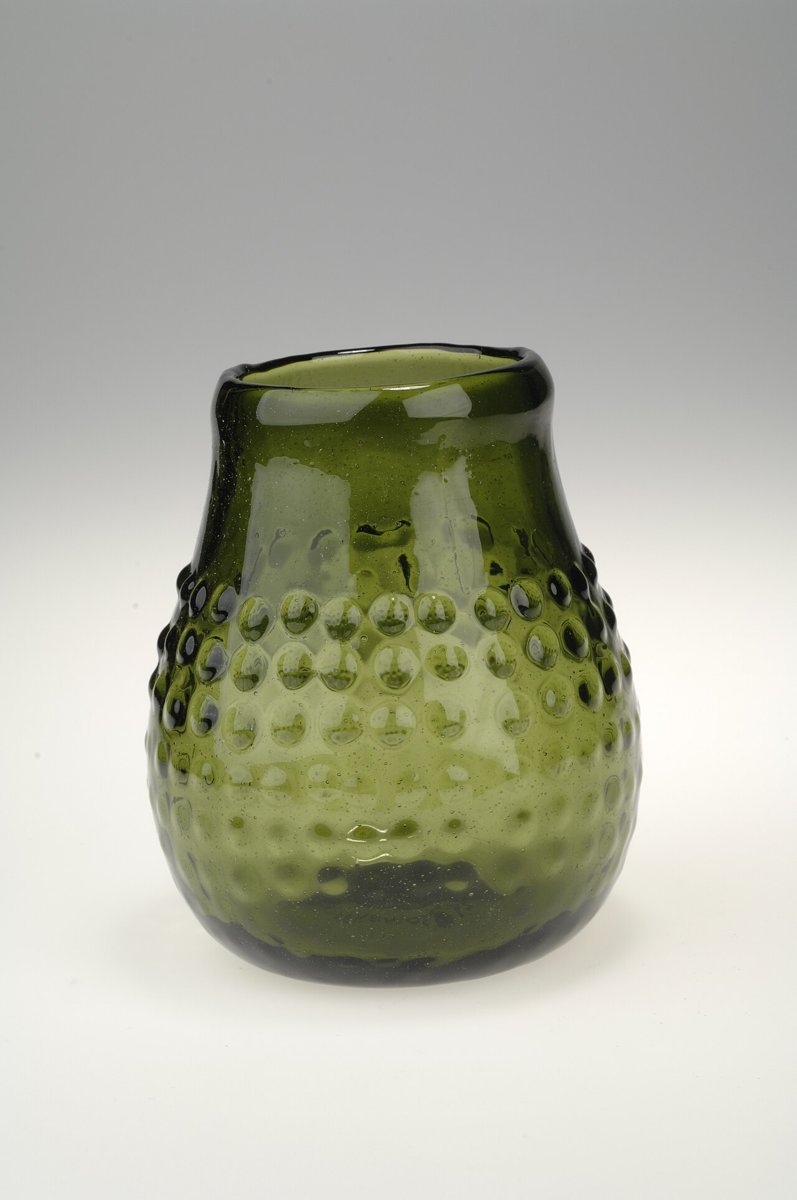
Rich contents include imported glass vessels, chests, jewelry, and weapons. Several burials also contained horses placed beside the chamber. Men, women, and some younger people were buried in this way, and some chambers held two individuals. Most investigated examples belong to the tenth century.

Reading wealth carefully
The museum associates these graves with society's upper ranks. That makes them valuable evidence for status, but a poor stand-in for every household in Birka. A collection dominated by exceptional burials can make a town look more uniformly wealthy than its inhabitants actually were. Ask who could afford such a funeral, who arranged it, and whose lives are less visible.
The Evidence
The sources below support this article. Interpretations and limits are explained in the text; this is not an exhaustive research review.