
Journeys & Encounters · Place profile
Cuerdale: A Place in the Viking World
In Brief
Cuerdale beside the River Ribble in Lancashire is famous for a major Viking-Age silver hoard. It is a place where portable wealth, regional routes and uncertainty about ownership come together in one extraordinary discovery.
Present-day location: England · Britain and Ireland
Names and search variants: Cuerdale · Cuerdale Hoard
Browse places by country →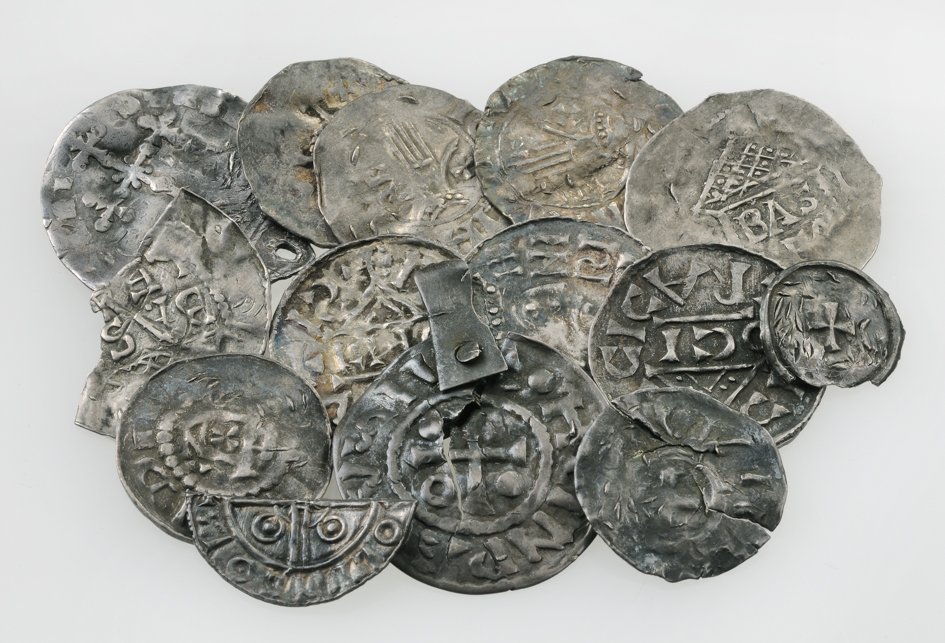

The Viking-Age connection
The hoard combined coins with silver ornaments, fragments and ingots. Its deposition is generally placed around 905. The British Museum’s research publication treats both the non-coin silver and the coin evidence, allowing the assemblage to be studied as more than a spectacular total weight.
Reading the evidence
An ingot’s shape, weight and test marks can reveal how silver was handled. Coins may provide chronological limits and evidence for wide connections. Neither kind of object identifies the depositor by itself. The historical circumstances proposed for concealment are interpretations, not labels left inside the container.
Understanding the place
The Ribble setting invites consideration of movement between the Irish Sea and inland routes. A hoard might be accumulated through many transactions before burial. Resist the assumption that every foreign coin represents a direct journey by its final owner. Objects could pass through numerous hands, making their histories longer and more complicated than a single expedition.
Explore more Viking-Age places →
The Evidence
The sources below support this article. Interpretations and limits are explained in the text; this is not an exhaustive research review.