
Journeys & Encounters · Place profile
Nyckelby in Värmland: A cemetery largely lost
In Brief
Nyckelby is an example of a Viking-Age place whose importance survives mainly through excavation rather than a spectacular visible monument. Investigated graves and traces of a contemporary settlement help restore local communities to the history of inland western Sweden.
On this page
A cemetery largely lostA cremated older manAbsence above ground is not absence of historySourcesPresent-day location: Sweden · Värmland
Names and search variants: Nyckelby in Värmland · Nyckelby
Browse places by country →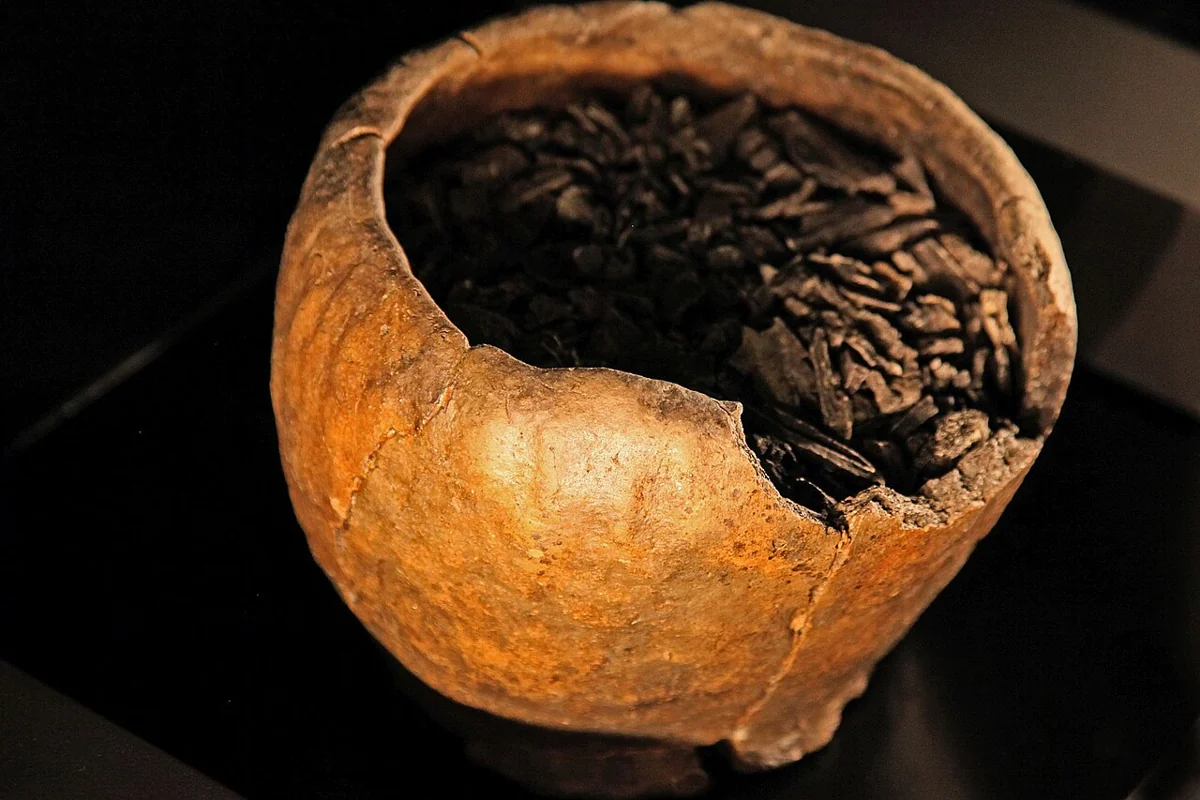

A cemetery largely lost
Värmlands Museum describes the excavated graves as part of a cemetery that has been mostly destroyed. Their Viking-Age date and association with a partly investigated settlement make the place historically meaningful even where there is little for a casual visitor to recognize on the ground.
A cremated older man
The best-preserved burial contained the cremated remains of an older man, with traces of a comb, a pottery vessel, and other small items. Such finds provide a restrained but valuable glimpse of funerary practice. They do not supply his occupation, personal name, or a story of overseas adventures.
Absence above ground is not absence of history
Nyckelby highlights the difference between archaeological knowledge and sightseeing. A site can be important because records preserve relationships that are no longer visible. When illustrating it, a regional object or comparable burial photograph must be clearly labeled as contextual, never presented as the lost grave itself. The museum account is the appropriate starting point rather than an invented visitor attraction or an unsupported reconstruction.
Explore more Viking-Age places →
Explore this record and its sources in the map collection →
This entry is searchable by place and country. No verified burial-site coordinate is supplied, so it has no map marker or directions.
The Evidence
The sources below support this article. Interpretations and limits are explained in the text; this is not an exhaustive research review.