
Journeys & Encounters · Place profile
Shestovytsia: A Cemetery at the Crossroads of Early Rus
In Brief
Shestovytsia, near Chernihiv, is a major Viking-Age archaeological complex in Ukraine. A stronghold, surrounding settlement and burial mounds connect it with the eastern routes between the Baltic and Black Seas. Its importance comes from the evidence for interaction, not from reducing a complicated community to one ethnic label.
On this page
A settlement as well as a burial groundReconstructing connections carefullyWhat a modern investigation asksSourcesPresent-day location: Ukraine · Eastern river routes
Names and search variants: Shestovytsia · Shestovitsa · Shestovica · Shestovytsya
Browse places by country →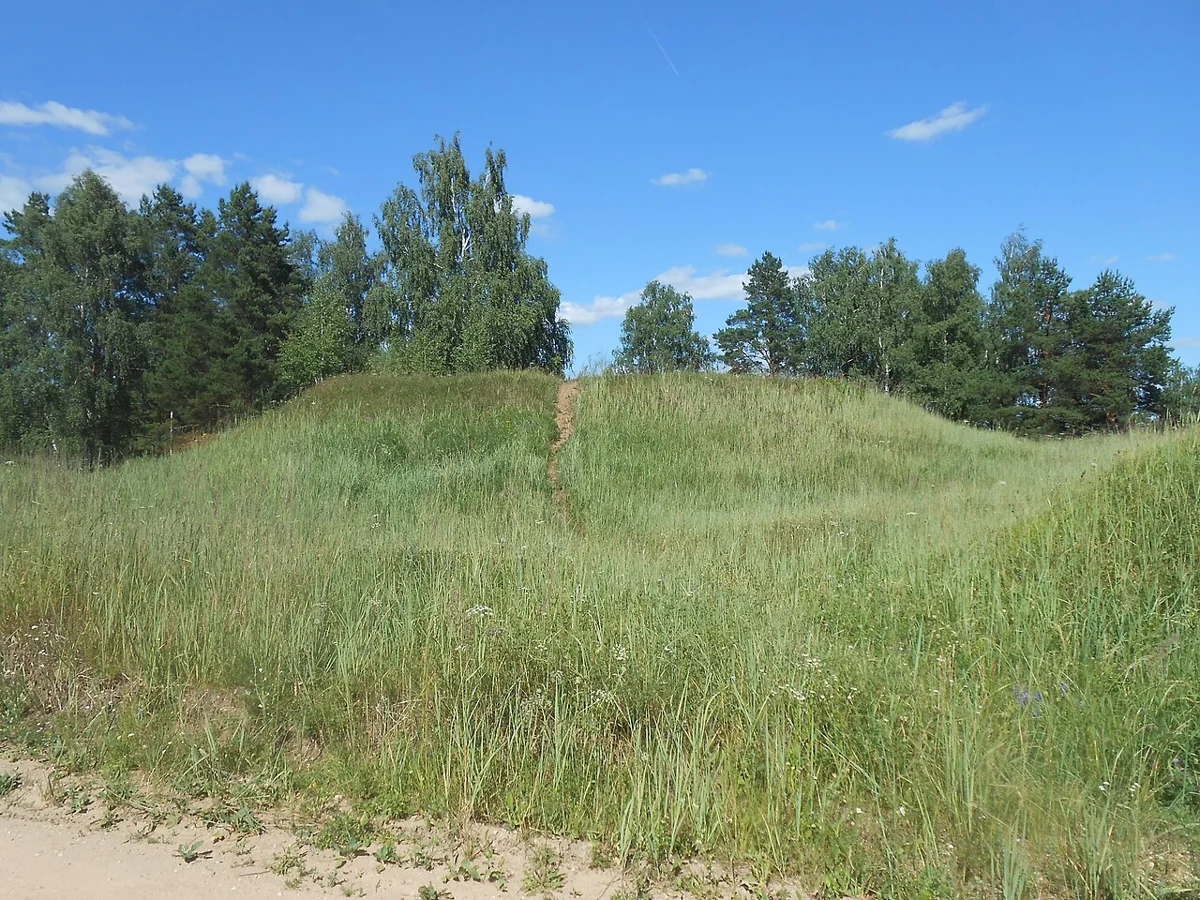

A settlement as well as a burial ground
The University of Warsaw's research describes the cemetery as part of a larger inhabited complex. Studying burials alone risks making the place seem to have existed only for warriors and funerals. Fortification and settlement evidence place the dead within a community that also organized space, worked and maintained connections with surrounding districts.
Reconstructing connections carefully
Researchers at the Leibniz Institute for the History and Culture of Eastern Europe identify Shestovytsia as an important link among early Rus, Scandinavia and Byzantium. Their project assembles burial evidence from archives and museum collections because much of the material has been published unevenly. A spectacular object is most informative when its excavation context remains available.
What a modern investigation asks
The Warsaw project combines spatial recording with analyses intended to refine dates and reconstruct burial practices. The useful questions are specific: which graves are contemporary, how were they arranged, and which objects belong together? Those questions offer a stronger basis for understanding movement and identity than counting every Scandinavian-looking ornament as one immigrant.
Explore more Viking-Age places →
Explore this record and its sources in the map collection →
This entry is searchable by place and country. No verified burial-site coordinate is supplied, so it has no map marker or directions.
The Evidence
The sources below support this article. Interpretations and limits are explained in the text; this is not an exhaustive research review.