
Journeys & Encounters · Place profile
Timerevo: Silver, Burials and a Changing Chronology
In Brief
Timerevo, near Yaroslavl, is an important settlement-and-cemetery complex in the Upper Volga region. Its relevance to Viking history lies in long-distance connections and burial evidence, not in a claim that the whole population was Scandinavian. It also demonstrates why archaeological dates must remain open to revision.
On this page
A connected inland communityBeads can change a familiar dateThe site did not stop having a historySourcesPresent-day location: Russia · Eastern river routes
Names and search variants: Timerevo · Timeryovo · Timeryovo archaeological complex · Timerëvo
Browse places by country →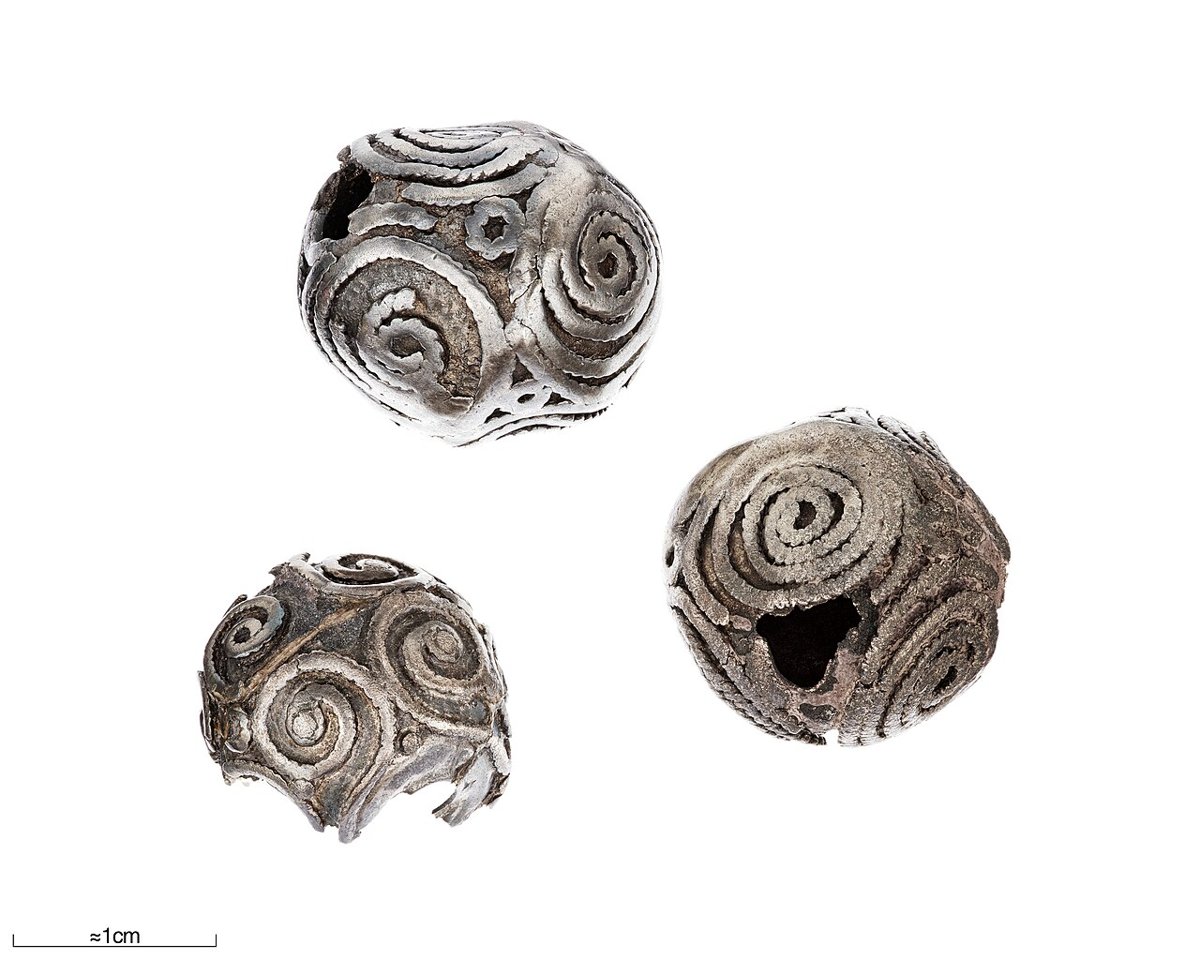

A connected inland community
Research places Timerevo among the communities through which imported silver and personal objects circulated in early medieval northeastern Europe. The settlement should be understood alongside its local surroundings. Calling it merely a foreign trading post loses the people who supplied food, made objects and sustained life between visits from long-distance travelers.
Beads can change a familiar date
Sedykh and Frenkel reassess beads from mound 95’s earliest cremation. They discuss its earliest chronological limit and date it “from the second quarter of the 10th century.” This revises the ninth-century assignment without establishing a closed interval or redating all Timerevo.
The site did not stop having a history
The same research examined glass bracelets representing later medieval activity. This complicates a simple story in which Timerevo vanished at the end of the Viking Age. When comparing museum objects, separate the early cemetery, settlement layers and later finds: objects from one named site need not belong to the same community or century.
Explore more Viking-Age places →
Explore this record and its sources in the map collection →
This entry is searchable by place and country. No verified burial-site coordinate is supplied, so it has no map marker or directions.
The Evidence
The sources below support this article. Interpretations and limits are explained in the text; this is not an exhaustive research review.