
Journeys & Encounters · Place profile
Varnhem: Kata Gård: Before the monastery
In Brief
Kata Gård at Varnhem preserves evidence of a Christian estate before the later medieval monastery. It is especially important for understanding how religious change happened locally, through households, burial grounds, and private churches, rather than at one nationwide conversion ceremony.
Present-day location: Sweden · Västergötland
Names and search variants: Varnhem: Kata Gård · Kata Gård · Kata Farm · Varnhem
Browse places by country →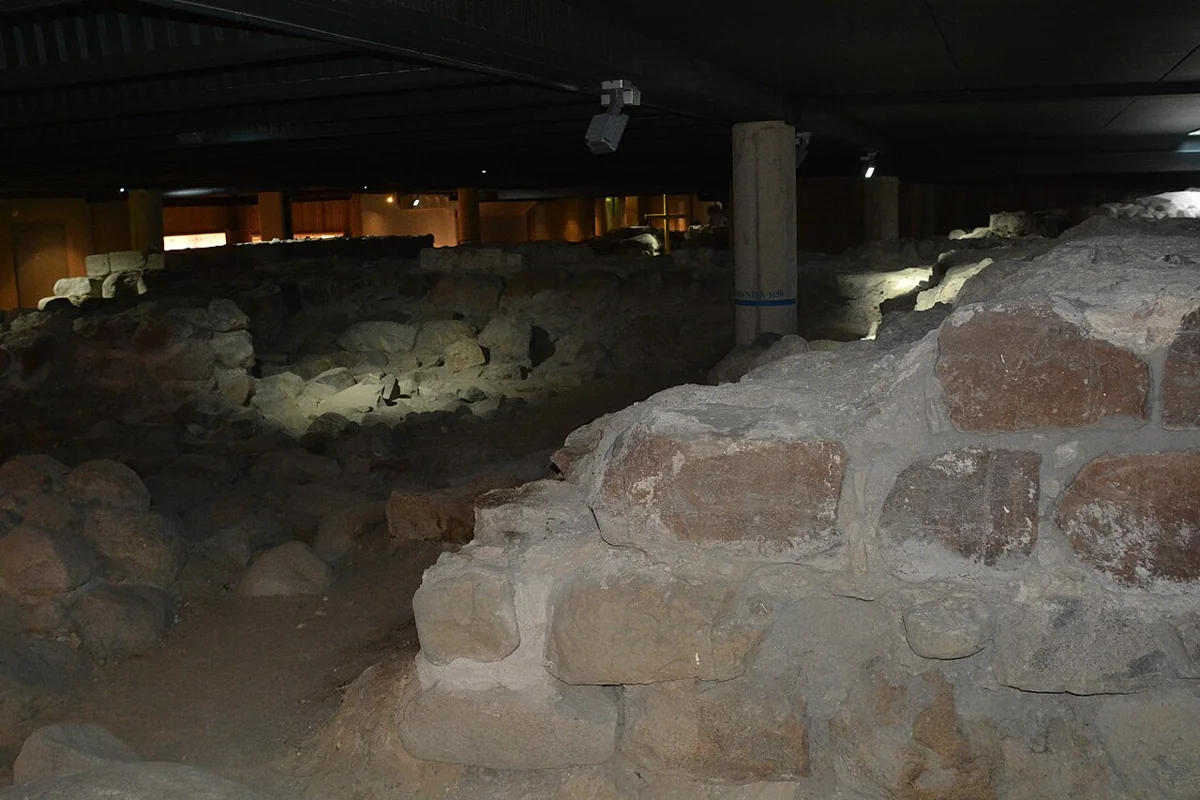

Before the monastery
Västergötlands Museum describes Christian burials beginning in the tenth century and an estate church built first in wood and then in stone. The later monastery belongs to a different phase. The early church remains therefore should not be confused with the much larger and more conspicuous monastic buildings nearby.
A named woman
A runic grave monument preserves the name Kata and family relationships. The position and construction of her grave support interpretation of her as an elite woman connected with the estate. A modern facial reconstruction can help visitors engage with her, but it remains a reconstruction combining skeletal evidence with choices about appearance and clothing.
A protected ruin, not a rebuilt church
The modern shelter allows the early masonry and graves to be viewed while protecting them. Its architecture is contemporary and should be labeled accordingly in images. The most valuable comparison is between the excavated church, the surrounding cemetery, and the later monastery: each records a different form of religious organization in the same landscape.
Explore more Viking-Age places →
The Evidence
The sources below support this article. Interpretations and limits are explained in the text; this is not an exhaustive research review.