
Journeys & Encounters · Place profile
Vatnsfjörður við Djúp: A farm with specialised work
In Brief
Vatnsfjörður in Iceland’s Westfjords developed from a substantial Viking-Age farm into a later centre of wealth and influence. Excavation makes it possible to investigate that development rather than treating its later status as something that existed unchanged from settlement.
On this page
A farm with specialised workThe value of separate depositsA later church in an older landscapeSourcesPresent-day location: Iceland · North Atlantic
Names and search variants: Vatnsfjörður við Djúp · Vatnsfjordur · Vatnsfjörður Westfjords
Browse places by country →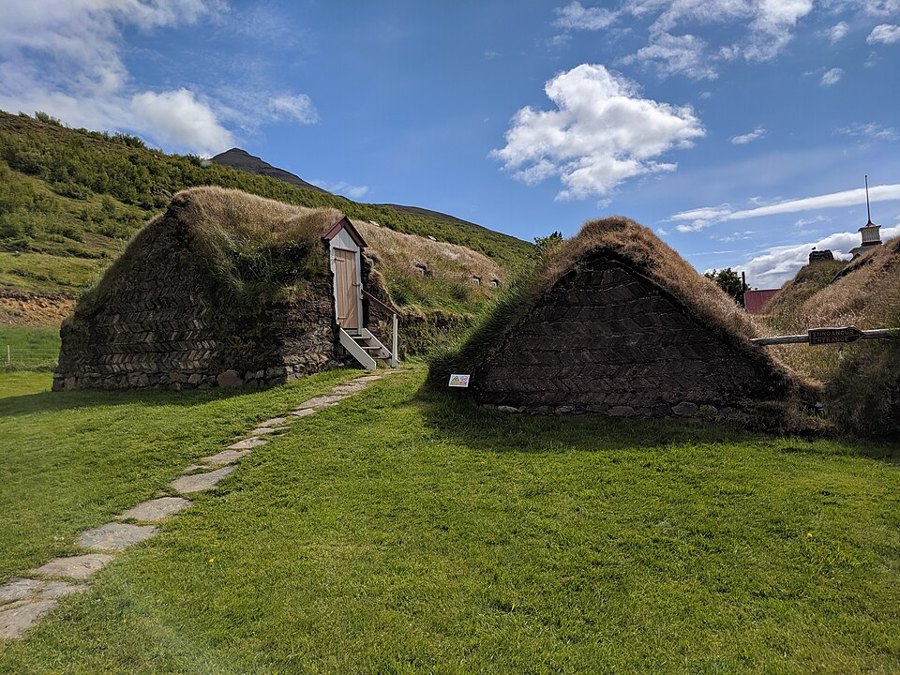

A farm with specialised work
The early complex included a longhouse, smithy, workshops and storage buildings. These remains suggest a productive household with several distinct working spaces. Ironworking and storage are particularly useful reminders that farming required equipment, repair and reserves as well as animals and pasture. The settlement was an economic organisation, not simply a picturesque residence beside a fjord.
The value of separate deposits
Researchers have examined both the Viking-Age area and a large farm mound containing later building sequences. The structures should not be merged into one imaginary contemporary village. Differences in date and position help explain how the focus of occupation shifted. Small finds, occupation layers and biological remains can illuminate tasks that written accounts rarely describe in equivalent detail.
A later church in an older landscape
The present church is twentieth-century, while the site’s medieval ecclesiastical history is much older. A nearby cairn also has a literary tradition attached to it; such stories should not replace archaeological dating. When reading the landscape, distinguish the excavated early farm, later church-centred authority and modern buildings. Vatnsfjörður rewards this approach because its importance lies in change across centuries, not in the survival of one perfectly preserved moment.
Explore more Viking-Age places →
The Evidence
The sources below support this article. Interpretations and limits are explained in the text; this is not an exhaustive research review.