
Journeys & Encounters · Introduction
Danegeld: Paying for Peace, Paying for Defense
In Brief
Tribute and taxation linked warfare to the ability of rulers to gather and redistribute wealth.
On this page
The aftermath of MaldonA poem is not a battle recordingDifferent kinds of paymentA long fiscal afterlifeSourcesThe aftermath of Maldon
In 991 an English force led by Ealdorman Byrhtnoth was defeated at Maldon in Essex. Historic England records a subsequent payment of 10,000 pounds intended to secure peace. That figure belongs to the historical account of the settlement; it should not be converted casually into a modern household income or a precise contemporary market price. What matters politically is the scale of resources that the English authorities sought to mobilize.
A poem is not a battle recording
The Old English poem The Battle of Maldon preserves a powerful account of loyalty and defeat. It is central to the battle’s later reputation, but its speeches and literary construction need interpretation. The landscape also requires care. Historic England explains that shoreline change and later reclamation altered the setting around Northey Island and its causeway. Standing at the modern shore cannot reproduce the terrain of 991 without archaeological and environmental reconstruction.
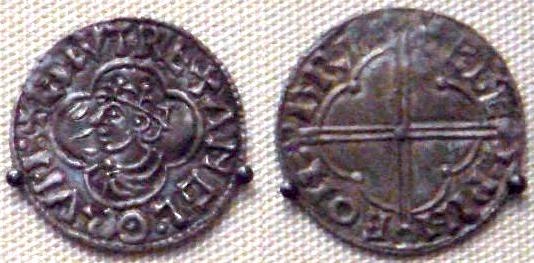

Different kinds of payment
The familiar word Danegeld can obscure distinctions between tribute to an invading force and taxation used to support an armed force. An Oxford thesis on English land taxation traces the development from gafol, tribute paid under Æthelred, to heregeld, an annual levy maintaining a Scandinavian fleet. Paying an opponent to leave and paying troops to defend a kingdom are different political arrangements, even when both depend on collecting silver from the wider population.
A long fiscal afterlife
The same study follows land taxation beyond the immediate age of Scandinavian attacks. It argues that the abolition of heregeld in 1051 did not end every form of land tax, and examines continued levies after the Norman Conquest. This longer perspective prevents Danegeld from becoming only a story about frightened kings and greedy raiders. It also concerns administrative capacity: identifying obligations, gathering payments, and directing resources. Those mechanisms could survive the circumstances that first made them necessary. The money therefore belongs in the history of government as well as the history of warfare.
The Evidence
The sources below support this article. Interpretations and limits are explained in the text; this is not an exhaustive research review.