
Research & Sources · Deep dive
Seeds, Charcoal, and Plant Remains: Reading What Survived
In Brief
Plant evidence can reveal food, fuel, construction, and waste. The first task is to explain why particular plants entered the archaeological record.
On this page
Different remains answer different questionsPreservation selects the visible plantsMineralized remains require their own comparisonsViking garden diversity is unevenly visiblePollen and seeds need not agreeA seed is not automatically a cultivated cropCharcoal is a selected record of wood useThe most useful result explains the pathwaySourcesDifferent remains answer different questions
Archaeobotany includes seeds, fruits, grains, chaff, wood, charcoal, pollen, and other microscopic plant structures. These categories do not represent interchangeable samples of vegetation. A grain may have arrived as food, a branch as fuel, and a seed with bedding or animal dung. Historic England’s overview emphasizes the range of human uses that plant evidence can address, including building and craft as well as diet. For a Viking household, identifying a plant is therefore only the beginning. The historical question concerns the route by which that particular plant part reached the place where it was found.
Sources for this section: 1
Preservation selects the visible plants
Plant material may survive through charring, waterlogging, mineralization, or drying. Each process creates a different archaeological archive. A charred grain assemblage is connected to encounters with heat, while a waterlogged deposit can retain unburned material that would disappear under other conditions. Comparing two sites without considering preservation can turn a difference in burial environment into a supposed difference in diet. The practical consequence is straightforward: a list of identified plants should be accompanied by the condition of the remains and the type of deposit, rather than presented as an exhaustive inventory of everything the inhabitants used.
Sources for this section: 1

Mineralized remains require their own comparisons
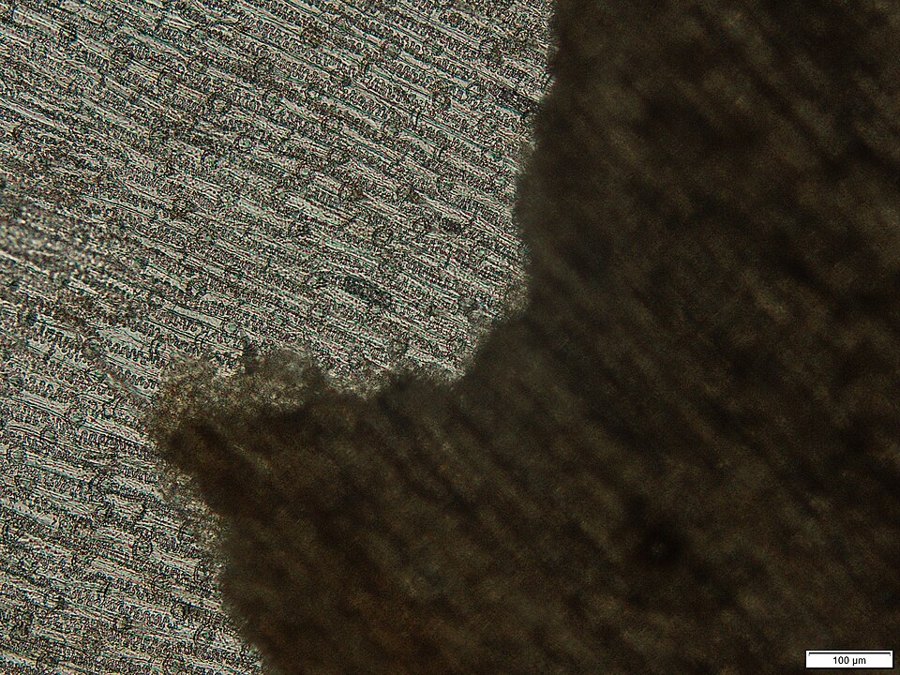
Historic England’s guide to calcium-phosphate-replaced biological material illustrates identification features at different magnifications and records variation in preservation. Such remains can occur in cesspits, drains, and middens, where their survival opens questions that ordinary charred assemblages may not answer. Identification depends on recognizing structures that remain after alteration, sometimes at cellular scale. An unfamiliar shape cannot safely be assigned to a species from general resemblance alone. Reference material and explicit criteria are especially valuable when mineral replacement has changed the appearance of the original seed or insect fragment.
Sources for this section: 2
Viking garden diversity is unevenly visible
A review of fourteen southern Scandinavian investigations dated between approximately 775 and 1050 compared agrarian, urban, military, and burial contexts. Urban features produced the greatest recorded diversity of garden plants. The authors argued that preservation and deposition helped shape that pattern. It would therefore be too simple to conclude that town inhabitants alone knew or cultivated a diverse range of useful plants. Urban waste deposits, rural hearths, and graves are not equivalent sampling environments. The review’s value lies in recognizing that the archaeological distribution needs explanation before it becomes a map of horticultural knowledge.
Sources for this section: 3
Pollen and seeds need not agree
Cynthia Zutter’s comparison of Icelandic farm middens examined both microscopic and larger plant remains, alongside modern farmyard contexts. The datasets were not fully congruent because people collected and used different plants and plant parts in different ways. A plant can contribute pollen to an environment without leaving recognizable seeds in a particular midden. Conversely, material brought onto a farm can introduce seeds from outside the immediate vegetation. Apparent disagreement can therefore reveal plant use or deposition rather than identify a defective method. The two records address overlapping but distinct pathways into the archaeological deposit.
Sources for this section: 4
A seed is not automatically a cultivated crop
Consider an illustrative find of a useful plant seed in a Viking-age pit. Several explanations remain possible: local cultivation, gathering, an imported product, a contaminant in another crop, or material transported for a nonfood purpose. The southern Scandinavian garden review demonstrates why context and regional comparisons are necessary before choosing among such explanations. Repeated finds from appropriate settings can strengthen an argument, but the presence of a species alone does not locate a garden. Cultivation is a claim about production; a seed in a settlement most directly establishes that the plant material reached that deposit.
Sources for this section: 3
Charcoal is a selected record of wood use
Wood and charcoal form another part of archaeobotanical investigation. Their identification can contribute to questions about fuel and construction, but the sampled remains first reflect what people selected, burned, discarded, and what subsequently survived. A hearth assemblage is not a random survey of all trees growing nearby. The same reasoning applies to farm middens that contain transported vegetation: human choices alter the relationship between plants in the landscape and plants in the deposit. A convincing reconstruction keeps collection, use, and disposal in view instead of treating every identified taxon as an equally weighted member of the local woodland.
Sources for this section: 1, 4
The most useful result explains the pathway
A strong plant report connects identification, preservation, context, and comparison. It distinguishes a firm species attribution from a broader family-level identification and records material that could not be identified confidently. It also separates the observation from the proposed use: a preserved seed, a likely food plant, and evidence for local cultivation are progressively different claims. Mineralized material, urban garden finds, and Icelandic middens all show why this discipline matters. Plant remains can recover overlooked aspects of Viking life, but their historical value grows when the account explains how the evidence formed rather than turning a species list into a ready-made menu.
Sources for this section: 2, 3, 4
The Evidence
The sources below support this article. Interpretations and limits are explained in the text; this is not an exhaustive research review.