
Research & Sources · Introduction
Who wrote the Viking story?
In Brief
Written accounts are evidence of events and of the people describing them. A chronicle’s viewpoint matters as much as its memorable details.
Different kinds of voices
Runic messages survive alongside accounts written by people outside Scandinavia. European chronicles describe raiding, but also diplomacy, religious missions, and political exchange.
Ask who, when, and why
The National Museum of Denmark stresses that accounts may have a political purpose and a particular perspective. A text’s date of composition may also differ from the date of the event it describes.
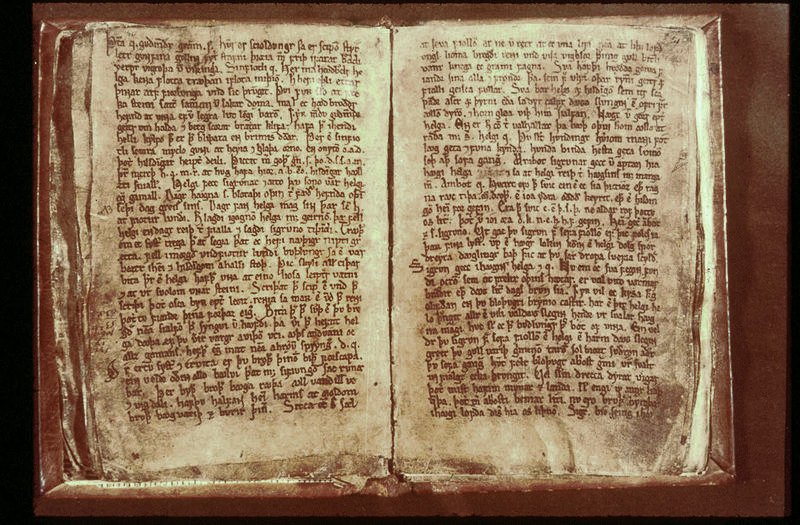

Compare the evidence
A responsible reading compares texts with objects and archaeological contexts. Agreement is useful; disagreement can reveal a new question rather than a simple choice of which source to believe.
The Evidence
The sources below support this article. Interpretations and limits are explained in the text; this is not an exhaustive research review.