
Journeys & Encounters · Place profile
Mære: Buildings beneath a Medieval Church
In Brief
Mære is important because archaeology can be compared with medieval accounts of a pre-Christian religious center. Beneath the standing stone church, investigators found earlier buildings and objects that have shaped discussion of how worship and local authority changed during the conversion period.
Present-day location: Norway · Trøndelag
Names and search variants: Mære · Maere · Mære church
Browse places by country →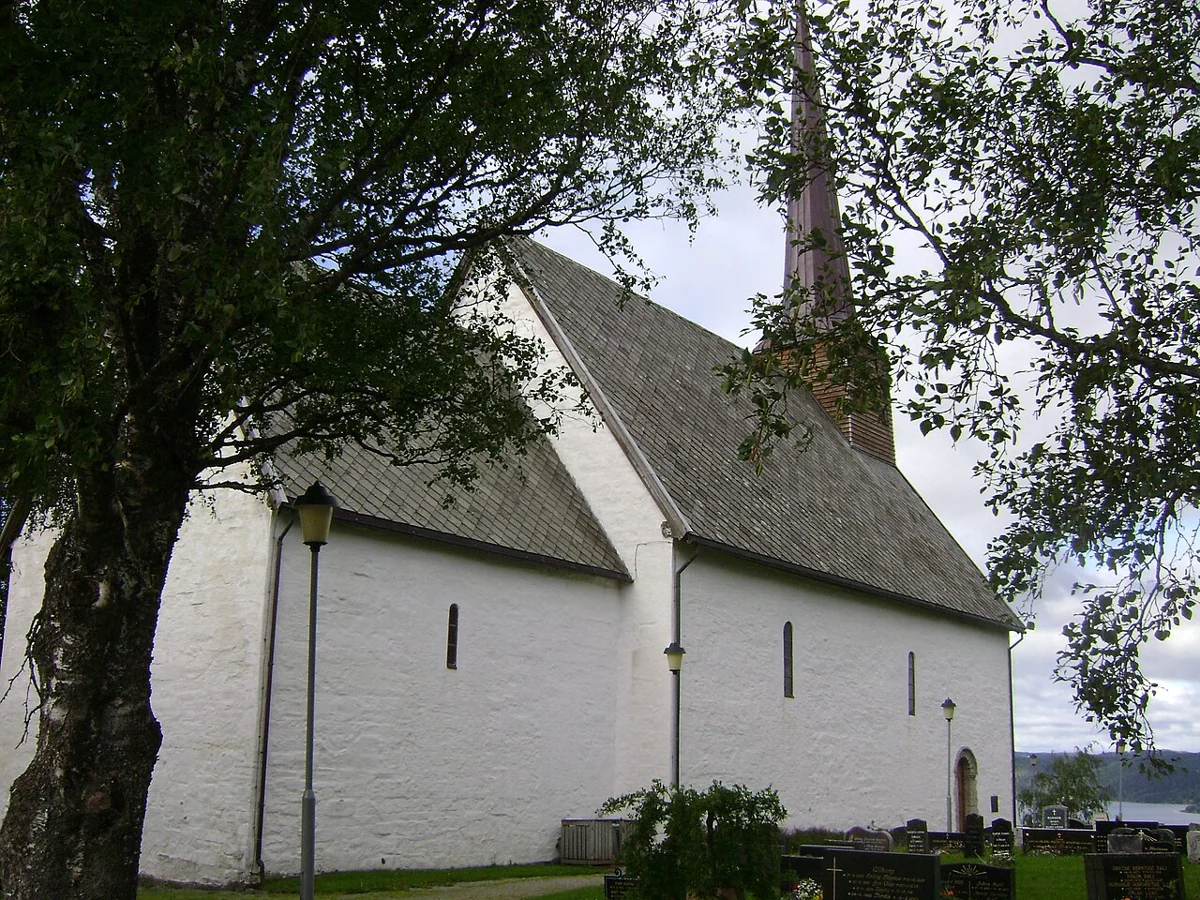

The historical setting
The visible church belongs to the late twelfth century, not the Viking Age. Excavation identified an earlier wooden church and churchyard, with still older building traces beneath them. This sequence offers physical evidence for repeated use of the same place, while leaving the function of each earlier structure open to interpretation.
What the evidence shows
Gold-foil figures were associated with one of the pre-Christian building phases. The excavator interpreted them as supporting a ritual function. An even older structure was assigned to the Migration Period. The site therefore contains several chronological layers: it should not be compressed into a single Viking temple directly replaced by the church that stands today.
How to read this place
The most productive question is what continuity means here. It may involve a prominent location, a powerful household, ritual gatherings, or later claims to an ancestral place. These possibilities need not all be true at once. Compare the building sequence with the much later written descriptions, and notice how an object can suggest ceremonial activity without identifying the exact prayers, gods, or participants involved.
Explore more Viking-Age places →
The Evidence
The sources below support this article. Interpretations and limits are explained in the text; this is not an exhaustive research review.