
Journeys & Encounters · Place profile
Rikala: More than one cemetery tradition
In Brief
Rikala near Halikko in present-day Salo is an archaeological landscape of burial, settlement, and changing local communities. Its evidence belongs to Finland’s own late Iron Age history, connected with the wider Viking world without needing to be described as a Scandinavian colony.
On this page
More than one cemetery traditionWhat the landscape can explainA regional community, not a stereotypeSourcesPresent-day location: Finland · Southwest Finland
Names and search variants: Rikala · Rikalanmäki · Halikko Rikala
Browse places by country →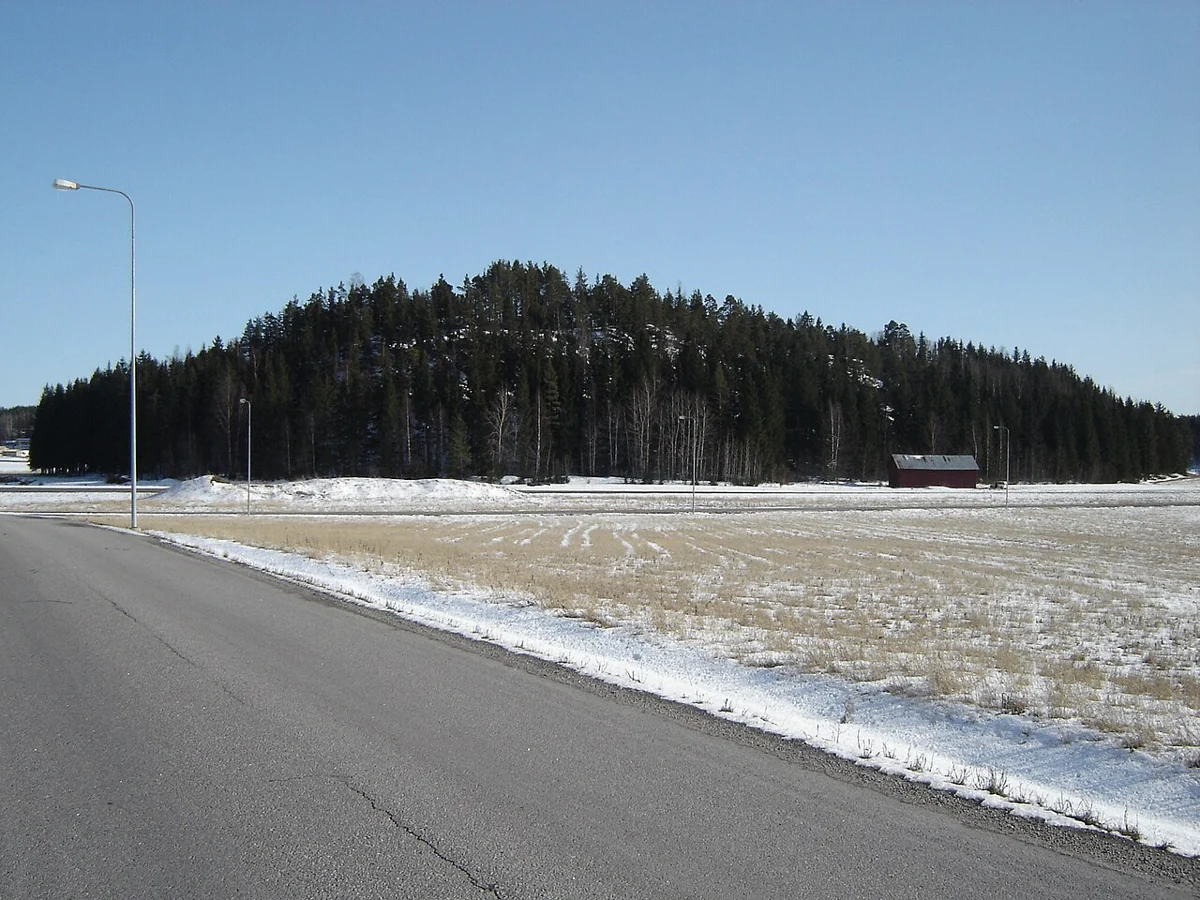

More than one cemetery tradition
The city of Salo identifies a Merovingian-period cremation cemetery and inhumation burials from the Viking and Crusade periods at Rikalanmäki. Settlement traces also occur on the hill. These categories describe a sequence rather than one moment, and the later Crusade-period material should not all be relabeled Viking.
What the landscape can explain
A route through the protected area makes relationships between terrain and archaeological remains easier to consider. Vegetation management is part of preserving that readability. The visible hill and modern paths are not a complete reconstruction of the settlement, and many conclusions depend on finds below the surface.
A regional community, not a stereotype
Burial changes invite questions about religion, social ties, and connections beyond the locality. The answer should come from particular graves and objects rather than an assumption that imported material proves foreign rule. Compare Rikala with Eura and other Finnish sites to appreciate regional differences. The value of the place lies in those distinctions, not in making every northern community look like the same imagined Viking village.
Explore more Viking-Age places →
Explore this record and its sources in the map collection →
This entry is searchable by place and country. No verified burial-site coordinate is supplied, so it has no map marker or directions.
The Evidence
The sources below support this article. Interpretations and limits are explained in the text; this is not an exhaustive research review.