
Journeys & Encounters · Place profile
Toftanes, Leirvík: An excavated settlement
In Brief
Toftanes in Leirvík is one of the key excavated Norse settlements in the Faroe Islands. Buildings and everyday objects provide a grounded alternative to imagining the North Atlantic purely through heroic journeys and named explorers.
On this page
An excavated settlementOrdinary objects, difficult questionsThinking across the islandsSourcesPresent-day location: Faroe Islands · North Atlantic
Names and search variants: Toftanes, Leirvík · Toftanes · Leirvik · Eysturoy
Browse places by country →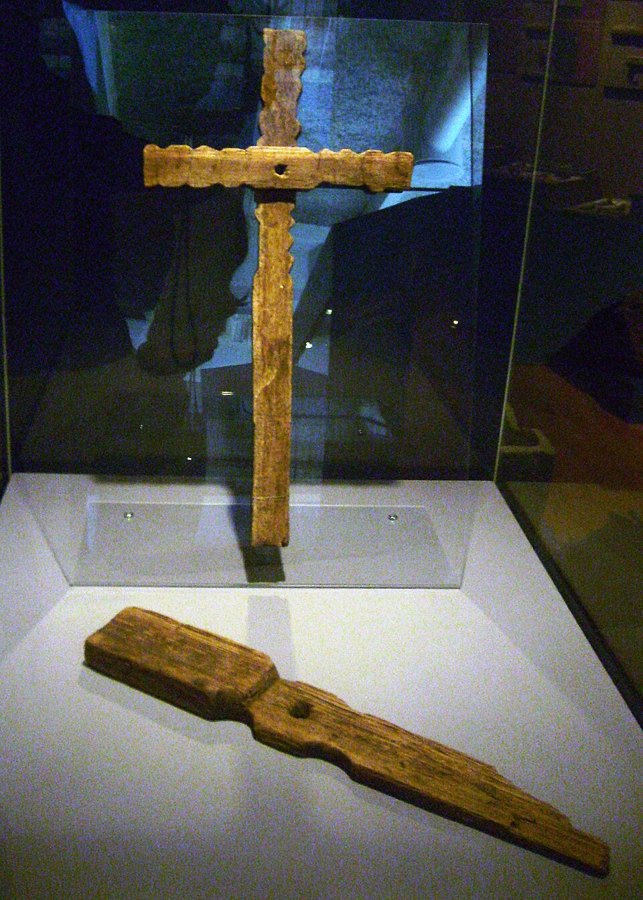

An excavated settlement
Excavations during the 1980s uncovered several early buildings and a substantial range of material. The site belongs to the Norse settlement story of Eysturoy. Its importance rests on archaeological context: objects recovered together with structures and occupation layers can tell more than attractive finds detached from where they were used.
Ordinary objects, difficult questions
Domestic equipment and wooden artefacts illuminate work and belief. Small wooden crosses associated with the site are especially interesting, but their meaning should be assessed individually. A cross-shaped object cannot by itself establish that every member of a household shared a religion, or that one official conversion date explains all personal practice. Objects can be owned, exchanged or used in several ways.
Thinking across the islands
Toftanes is best compared with other Faroese settlements rather than treated as a miniature copy of a Norwegian farm. Building, fuel and subsistence choices responded to an island environment. The visible remains do not include every original element, and visitor interpretation necessarily completes some gaps. The site nevertheless makes a strong point: the people who crossed the North Atlantic also spent much of their lives doing ordinary, demanding household work.
Explore more Viking-Age places →
The Evidence
The sources below support this article. Interpretations and limits are explained in the text; this is not an exhaustive research review.