
Journeys & Encounters · Deep dive
Repairing Ships Away from Home: Materials, Skills, and Changing Decisions
In Brief
A ship’s working life included replacement and adjustment. Repairs can preserve evidence of movement, while reconstruction voyages show the practical difference between carrying tools and being able to solve a problem.
On this page
A repaired plank has a historyTools do not identify the entire crewThe modern boatbuilder also observed the vesselAging can change the experimental vesselRepairability influences the routeThe original ship was never a frozen designSourcesA repaired plank has a history
The Viking Ship Museum identifies repeated repairs to Skuldelev 1 using oak associated with the Oslo Fjord and eastern Denmark, while the vessel’s original construction belongs to western Norway. This is evidence for a changing wooden structure rather than a hull that remained in its original state until deposition.
The interpretation must stop short of a complete itinerary. A timber association does not name the person who repaired the vessel or specify every port visited between interventions. It can nevertheless connect the ship to more than its building site. A repair therefore deserves attention as a historical event, not simply as damage to the purity of the original design. The vessel’s usefulness depended on its ability to acquire new material during its life.
Sources for this section: 1
Tools do not identify the entire crew
The museum’s discussion of boatbuilders considers archaeological tools, images, and later written equipment lists. It explicitly acknowledges uncertainty about whether a specialist boatbuilder sailed with Viking warship crews. A tool carried aboard could support minor repairs without proving that its user was the vessel’s original builder.
This distinction matters when reconstructing maritime labor. The presence of an axe or drill establishes a capacity only in combination with skill and suitable material. Conversely, skilled people cannot carry out every repair with an inadequate kit or no access to replacement timber. A historical account should therefore separate three questions: what tools were available, who could use them effectively, and what work could be undertaken in the circumstances. None is answered completely by the discovery of a single implement.
Sources for this section: 2
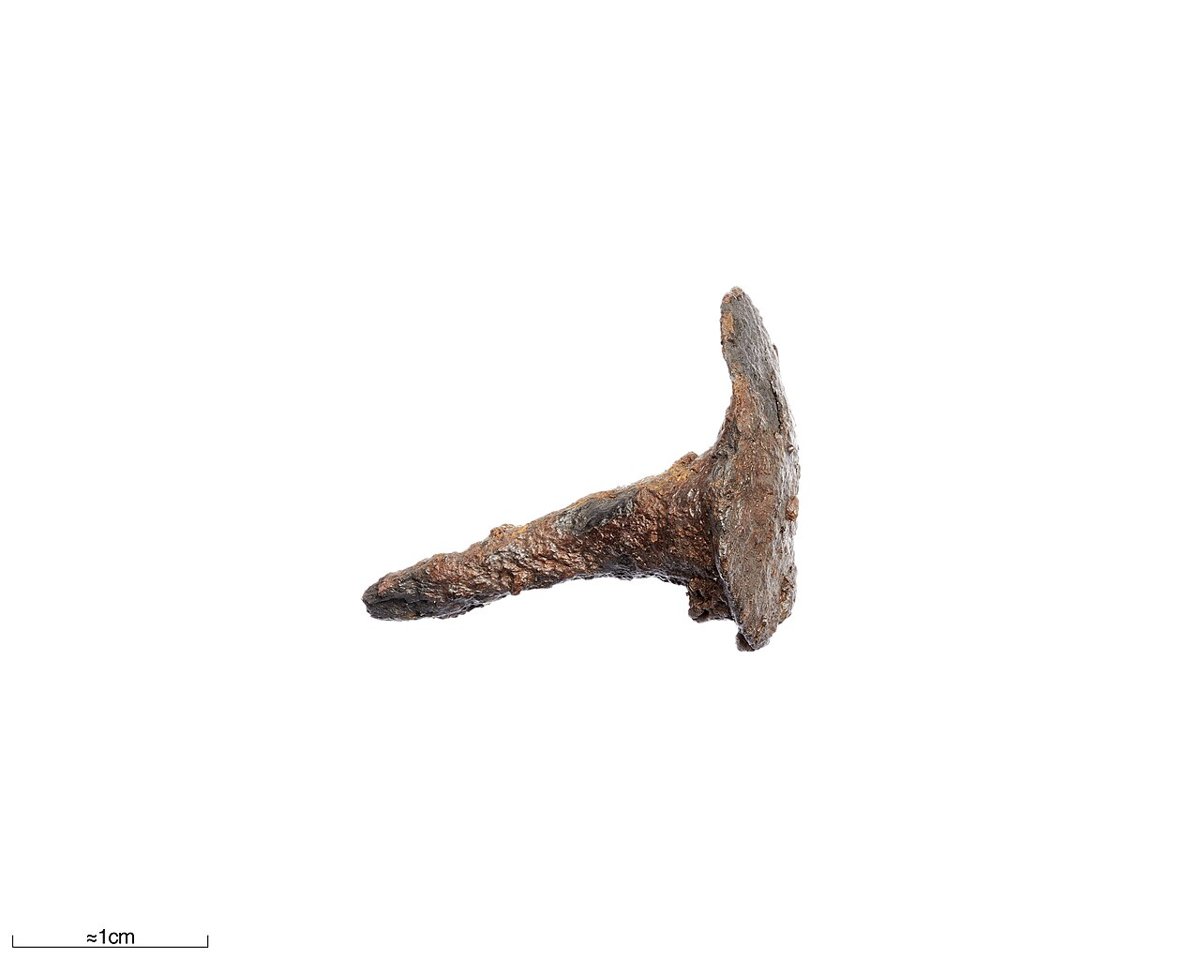

The modern boatbuilder also observed the vessel
Sea Stallion’s documented crew included boatbuilders who combined operational duties with observation and repair. The museum describes checking the hull and equipment, carrying spare components and timber, and keeping records of problems. The work was part of the research process, not merely emergency assistance outside it.
The arrangement makes a useful distinction between a repair and an explanation. A crew may need to make a component serviceable immediately. Determining why it failed can require later examination and comparison. The immediate solution is therefore not always a controlled experiment. Several changes may be made together because continuing safely takes priority over isolating a single variable. A successful intervention then establishes that the combined response helped, while leaving the contribution of each individual change unresolved. A log that records the problem, materials, and intervention allows later researchers to recover what happened without pretending that every decision at sea was made under laboratory conditions.
Sources for this section: 3
Aging can change the experimental vessel
In 2019 the museum reported cracked planking and loose fastenings in Sea Stallion’s mast area. Its response included repairs and a decision to reduce the mast height, with associated changes to the sail and ballast. The report explicitly treats the alterations as an opportunity for further investigation because the original mast height is not securely known.
This is more than replacing one broken board. Changing the rig changes loads and may alter performance. A later voyage therefore tests a modified reconstruction, not precisely the same configuration as the earlier expedition to Dublin. That does not invalidate the later evidence. It makes the vessel’s modern biography essential to interpreting it. Comparisons across years need to identify which physical version was sailing.
Sources for this section: 4
Repairability influences the route
The archaeological repair evidence and modern voyage records together suggest questions that a route model should include. Where can a crew obtain appropriate timber or cordage? Can damaged material be reached while the vessel remains loaded? Does the work require calm water, a shore, or hauling out? These are practical deductions, not a recovered list of Viking maintenance stops.
The answers can change a traveler’s priorities. A longer route passing places with useful resources may be more dependable than a shorter route with few options. A minor problem can become serious if it cannot be inspected or supplied. The ship’s effective range is therefore partly a relationship with the places and people along the way. Technical capability at departure does not guarantee the same capability after wear or damage.
Sources for this section: 1, 3, 4
The original ship was never a frozen design
A museum display encourages us to imagine a vessel at one moment, but repairs show that its physical form could change. A replacement plank might differ in species, shape, or fastening arrangement. Establishing the sequence of those changes is part of understanding the ship rather than a distraction from it.
The strongest analysis distinguishes original construction, working-life repair, deposition, excavation damage, conservation, and modern reconstruction. Marks from these different stages can otherwise be mistaken for one another. A hole that does not fit the final arrangement may be evidence of an earlier use, but that interpretation needs support from surrounding details. Repair history is consequently a source of both information and ambiguity. It reveals a practical maritime culture capable of adaptation while resisting the temptation to turn every alteration into a confident story about an unknown voyage.
Sources for this section: 1, 2, 3, 4
The Evidence
The sources below support this article. Interpretations and limits are explained in the text; this is not an exhaustive research review.