
Journeys & Encounters · Overview
Norse Lives in the Hebrides and Western Scotland
In Brief
The western islands connected sea travel with farming, craft and changing communities. Their history continues well beyond a first raid and cannot be reduced to a single invasion story.

On this page
Locate the islands before following the storyBornais: a settlement with a long memoryTwo nearby sites, different settlement storiesNorse and Gaelic histories continued togetherSourcesLocate the islands before following the story
The Hebrides lie off Scotland’s western coast; Orkney and Shetland form different northern island groups. These settings shared maritime connections without sharing an identical history. An account of Norse Scotland needs both the sea routes and the lives established beside them.
National Museums Scotland places the raid on Iona in 795 within a sequence of attacks and later settlement in the wider Irish Sea world. Raiding introduces one kind of encounter. It does not explain on its own how people subsequently occupied farms, raised families or negotiated relationships with existing communities.
Sources for this section: 1
Bornais: a settlement with a long memory
At Bornais on South Uist, the University of Glasgow describes a substantial settlement sequence spanning the fifth to fifteenth centuries. The Norse phase begins in the late ninth century and occurs across several settlement mounds. A mound here represents accumulated occupation, not simply a single burial.
The long sequence matters. People entering the landscape encountered places with histories, and later inhabitants continued to alter them. Archaeologists can compare buildings and deposits across phases instead of treating everything beneath a Norse structure as an empty beginning. Read the dates of individual contexts, not just the broad label attached to the site.
Sources for this section: 2
Two nearby sites, different settlement stories
Cardiff’s South Uist project compares Bornais with Cille Pheadair. Bornais developed through a long occupation sequence, whereas Cille Pheadair’s Norse settlement was established on previously unoccupied ground close to an earlier settlement mound. Bornais was also substantially larger.
This comparison prevents a single model from doing too much work. Settlement could involve reuse, relocation and different scales of occupation within the same island landscape. A Norse-looking building does not by itself reveal whether its occupants were newly arrived, locally born or members of a mixed household. Buildings answer some questions more directly than others.
Sources for this section: 3
Norse and Gaelic histories continued together
The Bornais excavation publication situates the islands within the later histories of Man and the Isles, the Lordship of the Isles and the Scottish kingdom. Those developments extend beyond the conventional Viking Age and need their own dates. They explain why the story should continue after the first settlement chapters.
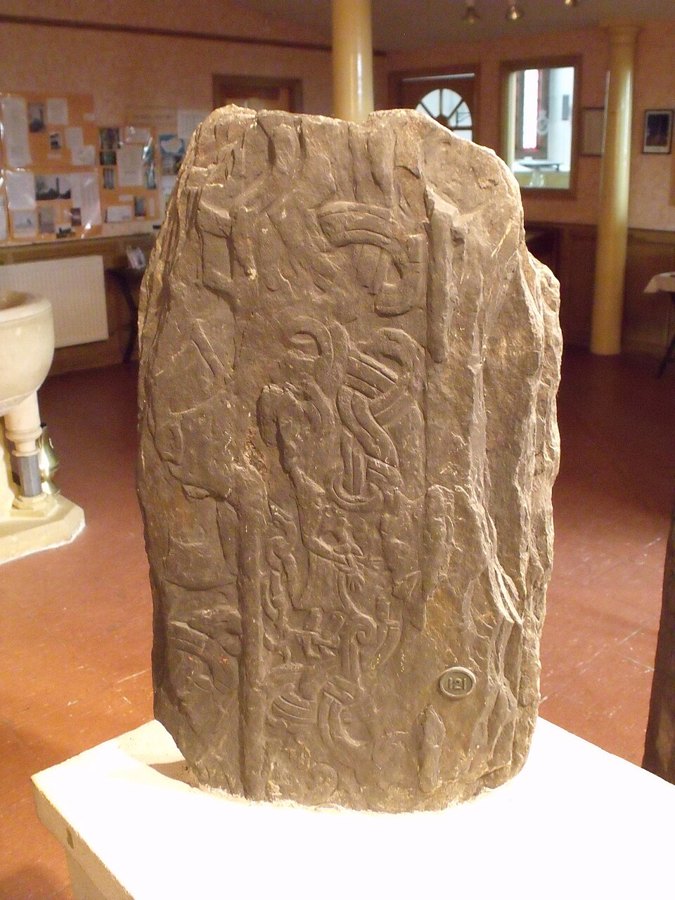
To explore cultural encounters, compare the Hebridean settlements with the Manx crosses and the material from Dublin. Each gives a different view: everyday occupation, commemorative imagery, or urban production. Avoid treating a mixture of styles as a simple percentage of Norse and Gaelic identity. The historical problem is how communities lived with changing relationships, not how neatly modern labels can divide their belongings.
Sources for this section: 4, 1
The Evidence
The sources below support this article. Interpretations and limits are explained in the text; this is not an exhaustive research review.