
Research & Sources · Introduction
Place-Names: Traces of Language, Not a Population Count
In Brief
A Norse-derived name can preserve an important connection. Establishing when and how it formed takes more than recognizing an ending.
On this page
Names describe landscapes and settlementsOld spellings are evidenceThe Wirral warningBuild an argument from several cluesSourcesNames describe landscapes and settlements
Place-names preserve words that once helped people identify farms, clearings, waterways, or neighbors. Around York, names ending in -thorpe could refer to dependent settlements. York Archaeology explains Copmanthorpe through a word for merchants, while -thwaite names refer to woodland clearings. Such examples connect language with settlement and land use. They are useful starting points for investigation, rather than a complete map of who lived where.
Old spellings are evidence
Modern forms can disguise earlier pronunciation or combine elements with complicated histories. York Archaeology describes Scandinavian adaptation of existing names as well as the creation of new ones. That distinction changes the historical question: did newcomers establish a settlement, rename an existing place, or modify a name already in use? A modern sign alone rarely settles the issue. Recorded earlier forms and the surrounding historical evidence help test possible explanations.

The Wirral warning
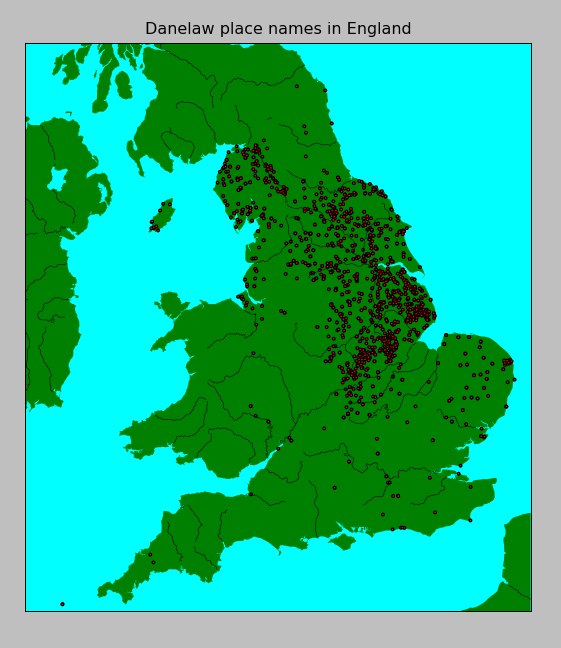
A University of York case study distinguishes major settlement names from minor names such as field names. Its discussion of the Wirral shows that Norse-derived vocabulary could spread through English dialects beyond places of direct Scandinavian settlement. The word behind holm or holme offers an example of this wider diffusion. A later field name using a borrowed word therefore does not necessarily document a Viking-age settler naming that field.
Build an argument from several clues
The same case study contrasts widespread vocabulary with rarer words that may reflect more local contact. The lesson is to examine each element’s history instead of assigning every Scandinavian-looking name the same explanation. Ask when the name was first recorded, whether it names a major settlement or a small feature, and whether the word had entered the wider local language. Compare the result with archaeology and documentary evidence. Place-names can illuminate patterns of contact and cultural change, but counting them cannot by itself calculate the number of migrants or establish the ancestry of later residents.
The Evidence
The sources below support this article. Interpretations and limits are explained in the text; this is not an exhaustive research review.