Research & Sources · Introduction
Ancient DNA and the Limits of “Viking Ancestry”
New in-depth guide: Can a DNA result make you a Viking? ↓
In Brief
Genetic evidence can reveal biological relationships and population histories. It cannot read a person’s language, loyalty, or self-description.
On this page
A large comparative studyRelationships at different scalesBurial practice is another kind of evidenceWhat a responsible headline should saySourcesA large comparative study
The 2020 study Population genomics of the Viking world analyzed genomes from 442 people from archaeological sites across Europe and Greenland. Its scale allowed comparisons between regions and between individuals. The results describe movement into Scandinavia as well as movement outward. They challenge the idea that the Viking world consisted of one biologically uniform population expanding into an otherwise separate Europe. Contact had consequences in both directions.
Relationships at different scales
The study identified broad regional patterns of ancestry and evidence that close relatives participated in an expedition. These are different kinds of findings. A relationship between two people addresses a family connection; a statistical resemblance between groups concerns population history. Neither automatically identifies a particular person’s birthplace. The paper also found differences within Scandinavia, reminding us that a modern map label can conceal considerable variation in the people who lived there.
Burial practice is another kind of evidence
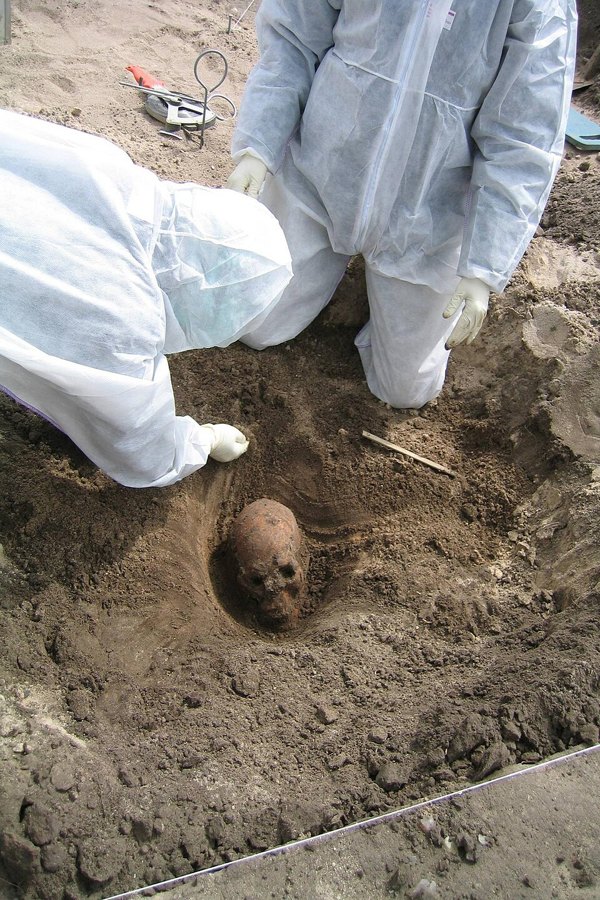
Cambridge’s account highlights people from Scottish burial contexts whose ancestry did not fit a simple Scandinavian-origin assumption. Archaeological practices could be shared or adopted. A burial associated with Viking culture and a genetic profile associated with local ancestry are therefore not necessarily contradictory. Objects, funeral arrangements, and biological descent answer overlapping but distinct questions. Describing the disagreement carefully is more useful than forcing all three into one ethnic label.
What a responsible headline should say
A genetic study samples particular remains that survived, were excavated, and yielded usable information. It is not a census of everyone alive in the Viking Age. Read the date, number of individuals, geographical coverage, and comparison groups before accepting a sweeping claim. “Viking DNA” is particularly easy to misunderstand: no result can establish that someone spoke Old Norse, worshiped a particular god, or went raiding. A convincing historical account combines genetics with chronology and archaeology while keeping these limits visible. Modern ancestry percentages should not be treated as measurements of cultural belonging.
The Evidence
The sources below support this article. Interpretations and limits are explained in the text; this is not an exhaustive research review.