
Research & Sources · Introduction
Reading a Burial: People, Objects, and the Funeral
In Brief
A grave preserves choices made by the living as well as traces of the dead. Gokstad shows why the entire monument matters.
On this page
More than an inventoryReturning to GokstadThe mound was part of the eventAvoid a one-object biographySourcesMore than an inventory
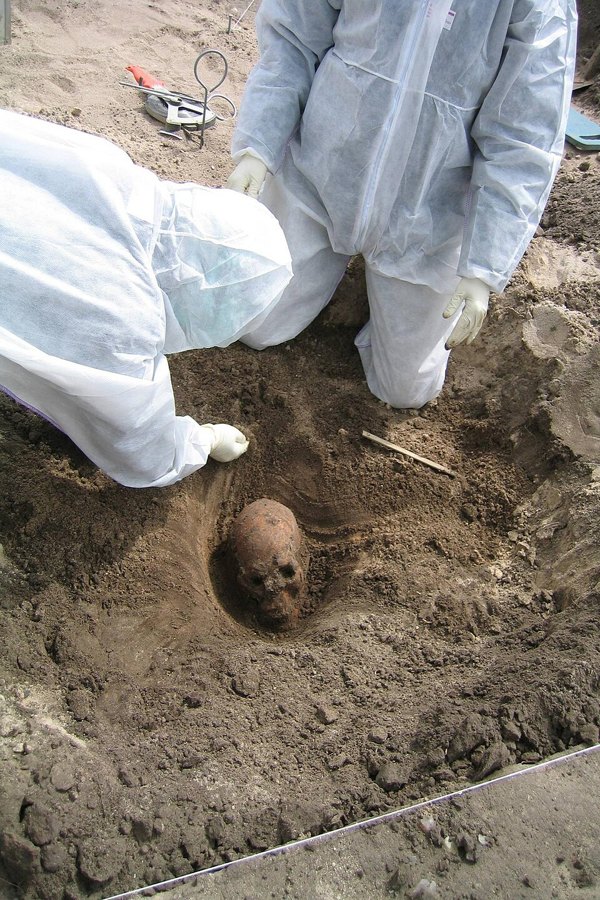
A spectacular ship can dominate attention, but burial archaeology asks how a whole deposit was assembled. Where was the body placed? Which objects occupied the chamber? How was the mound built, and what happened afterward? These questions turn a list of treasures into evidence about actions. They also separate the person who died from the people who arranged the funeral. The two perspectives need not tell exactly the same story.
Returning to Gokstad
The Gokstad burial was excavated in 1880. Its ship, chamber, incomplete human remains, furniture, and equipment became famous, but the University of Oslo’s later Gokstad revitalised project argued that the assemblage and surrounding landscape had not been investigated adequately as a whole. The project revisited both the burial and its context. This is a reminder that excavation does not exhaust a site’s research value: stored finds, old records, and new landscape investigations can reopen questions long after discovery.

The mound was part of the event
Research summarized by the Museum of Cultural History treats Gokstad’s construction sequence as part of the funerary process. Layers and building phases can carry information that disappears if the mound is reduced to its height and diameter. Moving soil, organizing labor, and arranging the ship created a public monument. Interpretations about political or mythical meanings require argument, but the construction itself provides material evidence for coordinated activity and deliberate choices.
Avoid a one-object biography
A weapon in a grave raises questions about violence, status, and symbolism; it does not supply a complete employment history. Likewise, rich furnishings establish a costly funeral more directly than they establish the deceased person’s exact title. At Gokstad, studying the remains, objects, animals, mound, and nearby activity together offers a stronger route toward interpretation than selecting a single dramatic object. The most useful museum account should distinguish what was excavated, what scientific analysis adds, and what remains a proposed explanation of the funeral’s meaning.
The Evidence
The sources below support this article. Interpretations and limits are explained in the text; this is not an exhaustive research review.