
Journeys & Encounters · Introduction
The Varangian Guard: Service Far from Home

In Brief
Scandinavian military service in Byzantium connected northern lives with imperial politics around the Mediterranean.
On this page
An imperial settingA name with a historyHarald’s careerLoyalty was a political questionSourcesAn imperial setting
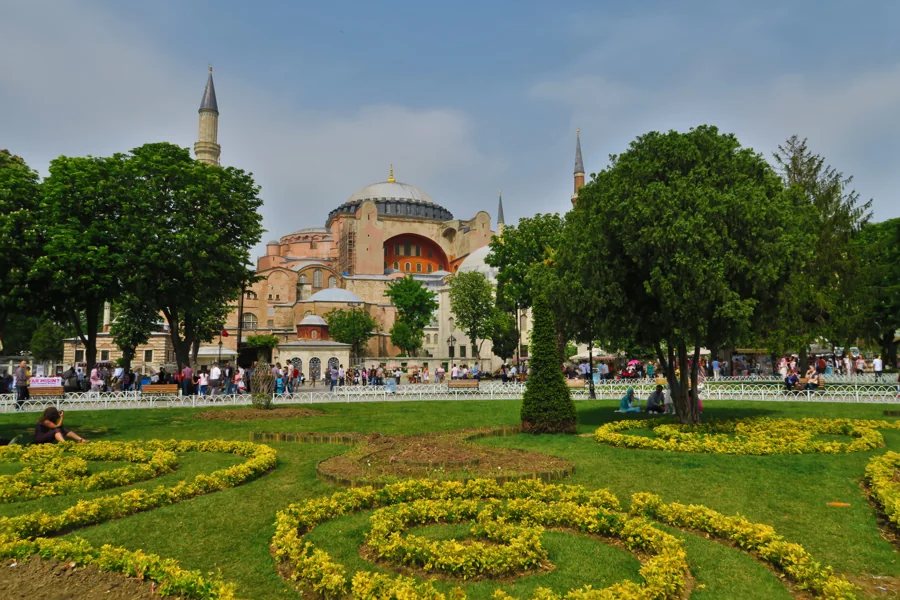
The Varangian Guard served Byzantine emperors, whose capital was Constantinople. The Swedish History Museum places Scandinavian service in the imperial army before the formation of the better-known guard at the end of the tenth century. Early imperial service should not automatically be equated with membership of the later guard.
A name with a history
The museum connects Varangian with the Old Norse word væringi, commonly interpreted in relation to an oath, while acknowledging that its meaning is disputed. Related words appear in Greek and Russian contexts. Such vocabulary records contact, rather than a fixed ethnic classification. A soldier could be described by origin, service, language, or affiliation, depending on the writer and the circumstances.
Harald’s career
Harald Sigurdsson, later King Harald Hardrada of Norway, is a particularly well-known example. Both Byzantine accounts and western Scandinavian saga traditions associate him with imperial service around 1040, including campaigning in the Mediterranean and Balkans. He later returned to pursue power in Norway and died at Stamford Bridge in 1066. His career shows that service abroad could be part of a much wider political life. It does not establish that ordinary recruits shared his opportunities, wealth, or eventual royal ambitions.
Loyalty was a political question
A doctoral study at Queen’s University Belfast challenges the familiar picture of an invariably loyal imperial bodyguard. It examines the guard’s involvement in rebellions and disputes over imperial power, asking how soldiers judged legitimacy. It also argues for a continuing Scandinavian presence alongside incoming English recruits in the eleventh century. These are research arguments rather than a complete roster of members. Together they suggest a better question than whether Varangians were simply fearless or faithful: which emperor did they recognize, what obligations did they understand themselves to have, and how did those obligations operate when power changed hands?
The Evidence
The sources below support this article. Interpretations and limits are explained in the text; this is not an exhaustive research review.