
Research & Sources · Overview
How the Modern Viking Image Was Made
In Brief
The Viking on a screen, a souvenir or a political poster has a history of its own. Trace how later generations selected and reshaped the medieval past.
On this page
Romantic heroes were made for later audiencesThe horned helmet: a shortcut that became familiarNational memory could serve different political projectsEnjoy a story without confusing its sourcesSourcesRomantic heroes were made for later audiences
Research on European art between 1824 and 1851 traces the construction of the Viking as a recognizable heroic adventurer. Literary models, medieval chivalric imagery and national identities contributed to that visual language. These pictures belong to the nineteenth century even when their subjects are medieval.
They can be beautiful and historically influential without being accurate costume records. When looking at one, ask two separate questions: what does it claim about the Viking Age, and what does it reveal about the period when it was made? The second may be much better supported than the first.
Sources for this section: 1
The horned helmet: a shortcut that became familiar
The Material Culture Review study of horned helmets follows the motif through Romantic nationalism, performance, museum display and consumer objects. Its value is showing how a repeated image becomes recognizable. Recognition is not archaeological confirmation.
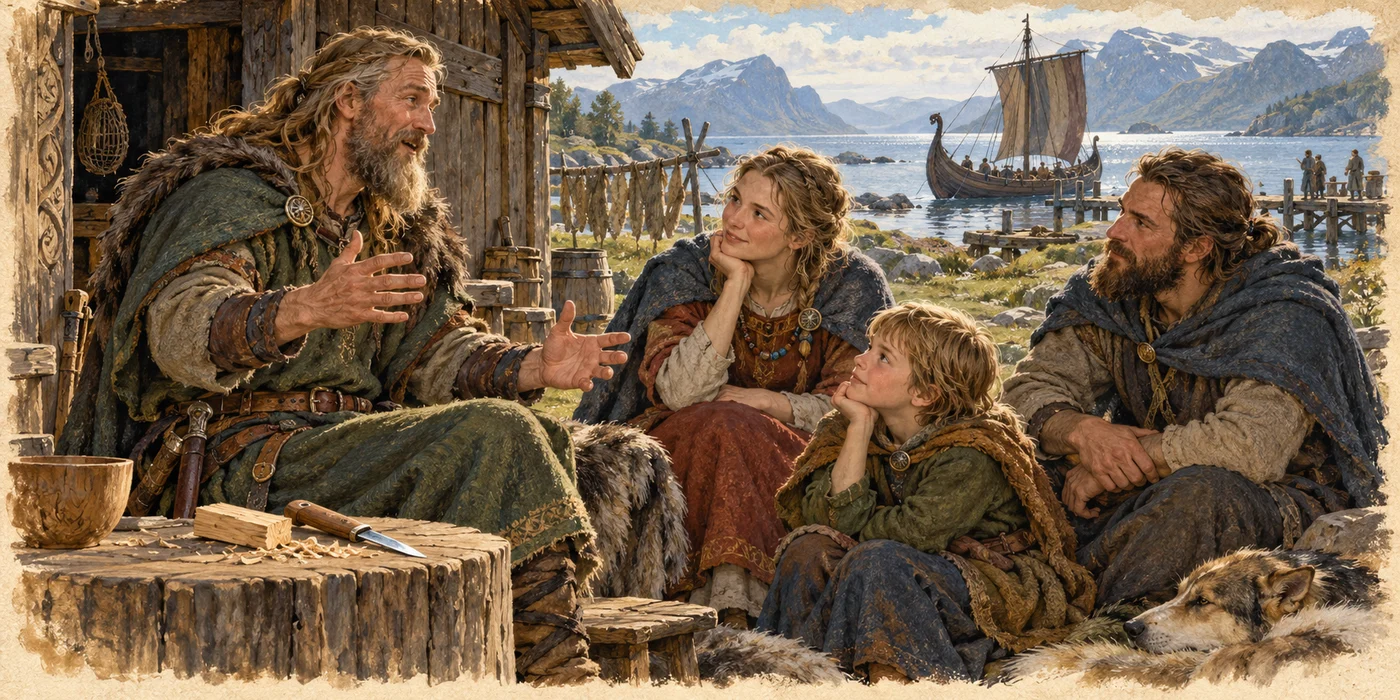
Avoid replacing one myth with another neat invention story. Earlier artistic representations and later theatrical popularity are different stages in circulation. A horned figure in ancient art, a Bronze Age helmet, a stage costume and a Viking-Age battle helmet are different categories of evidence. Our smiling horned Viking is deliberately playful; it should never function as a historical equipment diagram.
Sources for this section: 2
National memory could serve different political projects
Þingvellir’s official history explains its renewed importance during Iceland’s nineteenth- and twentieth-century independence movement. The assembly landscape and saga memories helped people argue about political identity in their own time. This is a concrete example of a historic place acquiring new public functions.
Other appropriations were explicitly racist. Research on Viking helmet imagery discusses its use in Nazi propaganda, including a 1943 poster from occupied Norway. That use belongs to the history of modern propaganda, not to evidence for the values of all people living a thousand years earlier. Nor does it determine the meaning of every later use of northern imagery.
Sources for this section: 3, 4
Enjoy a story without confusing its sources
Films, games, reenactments and contemporary illustrations choose what to emphasize. A production may combine objects from different centuries to communicate a character quickly. A scene can be compelling while its costume or social assumptions are modern.
A practical comparison is to place three things side by side: an excavated object, the published interpretation of its context, and a later representation. Ask which details the representation retains, changes or adds. Our film guide, symbols guide and archaeological articles provide separate routes through that exercise. The aim is not to make entertainment impossible, but to keep enjoyment and historical claims intelligible.
Sources for this section: 2
The Evidence
The sources below support this article. Interpretations and limits are explained in the text; this is not an exhaustive research review.
- Langer (2021): The Visual Invention of the Viking through European Art, 1824–1851 ↗
- Material Culture Review: Viking Pop Culture on Display — The Case of the Horned Helmets ↗
- Þingvellir National Park: Independence Campaign ↗
- Tales of the Viking Helmet: Narrative Shifts from Museum Exhibitions to Personalised Search Requests ↗