
Life & Society · Introduction
Pottery: Cooking, Craft, and Cultural Change
In Brief
Broken pots can distinguish the arrival of a new manufacturing technique from a change in the food cooked inside.
On this page
More than a containerWhen the wheel arrivedLooking inside the potNew vessels, familiar habitsSourcesMore than a container
Pottery offers several overlapping kinds of evidence. A vessel’s shape concerns its design; its manufacture concerns a craft tradition; absorbed residues concern some of its past contents. These are connected questions, but they are not interchangeable. A newly introduced kind of pot need not mean that everyone using it adopted a new diet. That separation is especially valuable in settlements where people with different backgrounds lived together.
When the wheel arrived
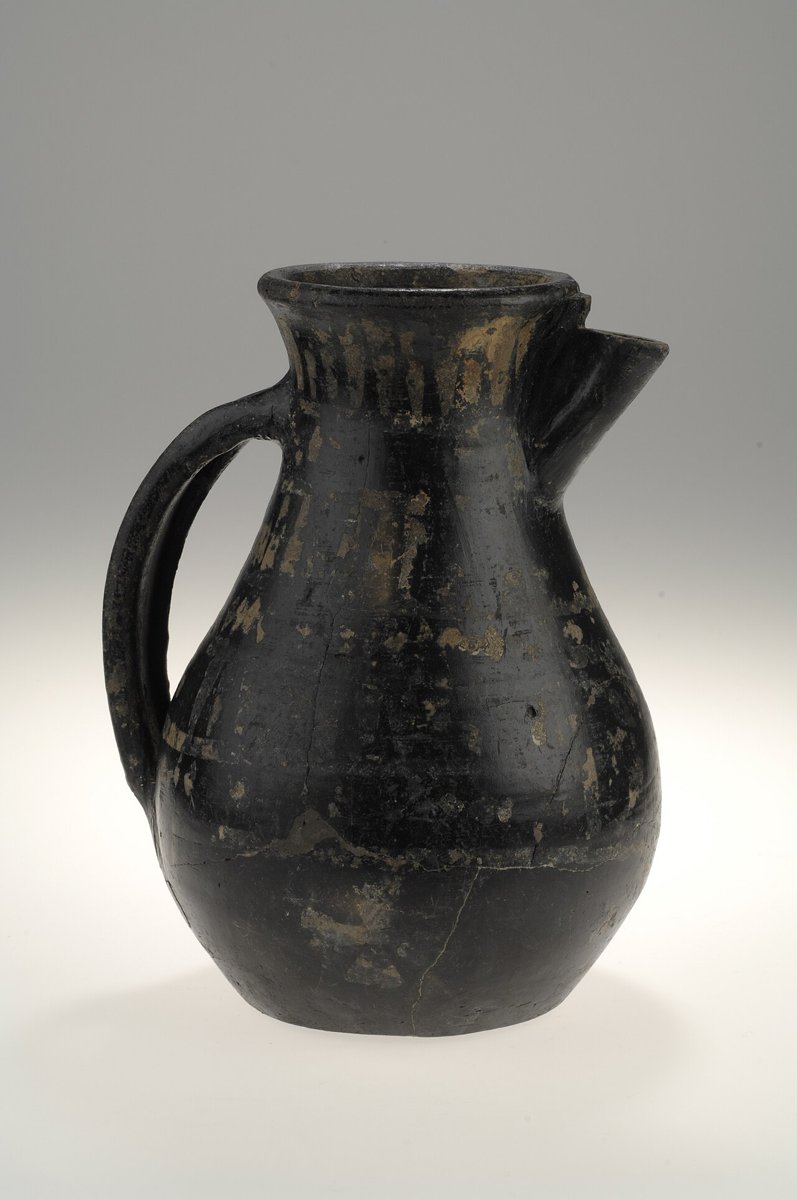
A 2023 study discussed by York Archaeology challenges a simple explanation of wheel-thrown pottery in ninth-century England. Its authors argue that new production influenced by Carolingian ceramics preceded the arrival of the Viking Great Army in 865. Their interpretation relates immigrant potters and new industries to changing North Sea connections. It therefore resists using an attractive historical event as the automatic explanation for every archaeological change nearby in time. Manufacturing could be transformed through networks already operating before an army appeared.

Looking inside the pot
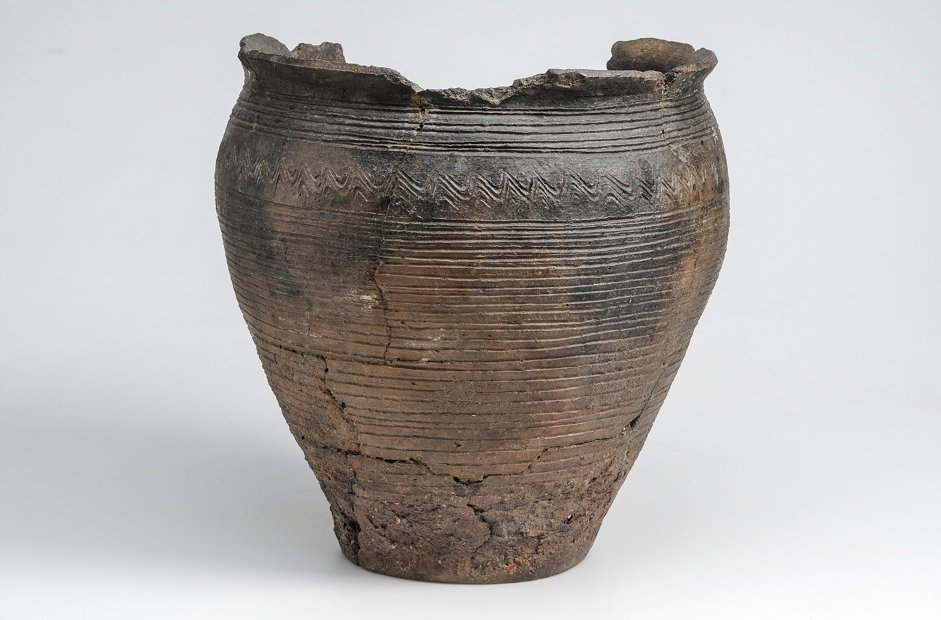
Research reported by the University of York in 2026 examined organic residues in early medieval pottery from English and Danish sites. The study included York, Lincoln, London, and Newark, alongside Ribe and Aarhus. Evidence for cooking fish appeared much more frequently in the Danish sample. Only 13 of 298 English vessels produced such evidence. Those figures describe the tested assemblage; they are not percentages of meals eaten or people who liked fish.
New vessels, familiar habits
The researchers found that the appearance of new pottery forms in England did not erase this contrast. They interpret the pattern as part of the practical reshaping of food habits in communities affected by Scandinavian settlement. The result also explains why animal bones and residues can tell different stories. Bones can demonstrate that fish reached a site, while residues concern what happened in particular vessels. Fish might be prepared or served by other means. Reading both types of evidence together produces a richer picture than assigning a single ethnic identity to a pot.

The Evidence
The sources below support this article. Interpretations and limits are explained in the text; this is not an exhaustive research review.