
Research & Sources · Deep dive
Cooking-Pot Residues: A Vessel’s History, Not Simply Its Last Meal
In Brief
Lipids absorbed into pottery preserve food-related evidence on a different timescale from visible burnt remains. Experiments help explain the difference.
On this page
The sample comes from a material historyDifferent measurements contribute different informationLipids are not spread evenly through a sherdAn experiment separated three residue historiesRepeated use can preserve mixturesA Viking-age comparison from England and DenmarkA negative pot result is not a negative dietA good interpretation keeps the fractions separateSourcesThe sample comes from a material history
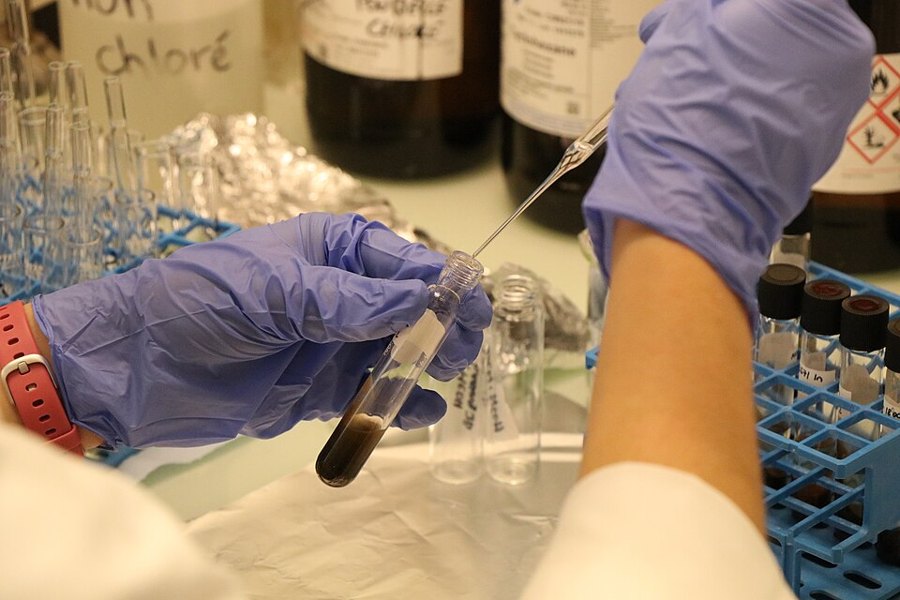
Organic residue analysis can recover compounds retained in archaeological pottery. Bristol’s facility describes a workflow involving cleaning, sampling, crushing a small sherd fragment, extracting lipids, and analyzing them with complementary chromatographic and mass-spectrometric techniques. These steps matter because the result concerns material surviving within or on a vessel, not a preserved meal waiting to be named. The analyst must consider the vessel’s use, burial, and sampling location. A broken cooking pot can retain valuable chemical evidence even when no recognizable food fragment remains, but the interpretation depends on how those compounds were recovered and identified.
Sources for this section: 1
Different measurements contribute different information
Bristol’s service distinguishes molecular analysis from compound-specific isotope measurements and notes that additional work can investigate aquatic biomarkers, beeswax, or the dating of preserved fatty acids. These are related analytical possibilities, not interchangeable ways of announcing a recipe. A broad animal-fat signal may require further discrimination before it supports a particular food interpretation. A small sample with a clear chemical signal can answer a narrow question more reliably than an elaborate recipe reconstructed from nonspecific compounds. The method also needs suitable reference evidence and an account of preservation. The useful historical question is therefore not merely whether a laboratory detected “fat,” but which compounds and comparisons make the proposed category of vessel use plausible.
Sources for this section: 1


Lipids are not spread evenly through a sherd
A mass-spectrometry-imaging study directly examined lipid distributions across ceramic sections. It found concentrated zones rather than a uniform chemical coating and identified calcium fatty-acid salts as one aspect of preservation. This has practical consequences for sampling and extraction: different portions of the same fragment may not contain equivalent evidence. It also means that the pottery fabric contributes actively to what survives. The chemistry of preservation should not be treated as an incidental detail when comparing yields between vessels or deciding whether a low result reflects limited ancient use.
Sources for this section: 2
An experiment separated three residue histories
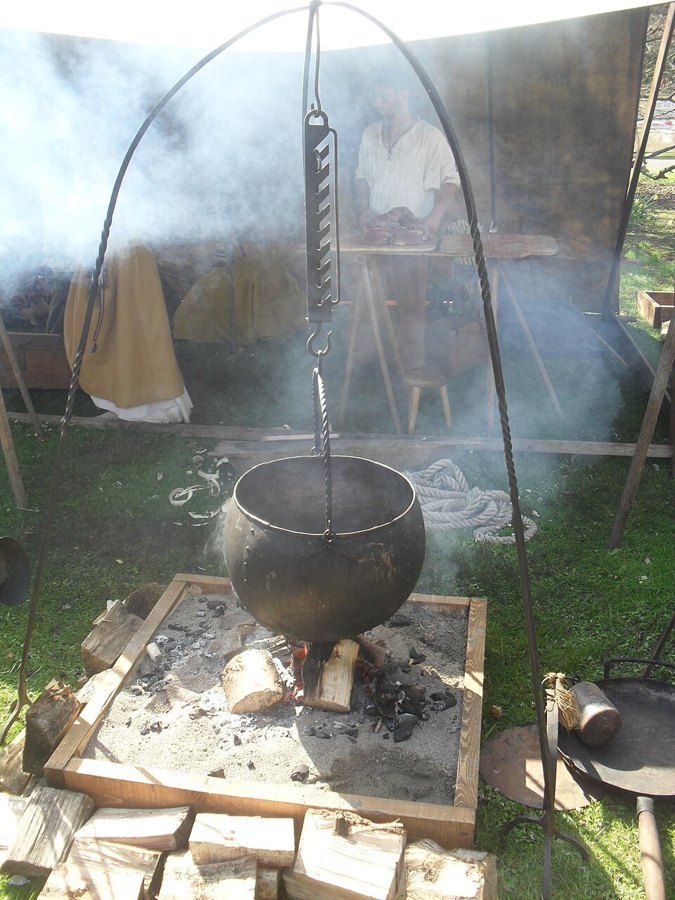
A year-long cooking experiment repeatedly used unglazed pots with different food mixtures and changed recipes near the end. Researchers compared substantial charred remains, thin adhering patinas, and lipids absorbed into the pottery. These fractions responded differently. The visible food remains most closely reflected the final cooking, while thin residues retained a mixture weighted toward recent events. Absorbed lipids changed more slowly and continued to reflect earlier uses after the recipe changed. The experiment therefore challenges the assumption that every residue sample records one final meal.
Sources for this section: 3
Repeated use can preserve mixtures
The cooking experiment showed gradual replacement rather than instant erasure of previously absorbed lipids. A vessel used for different foods may consequently yield a combined history. That finding does not mean every archaeological pot contains the same mixture or that an exact sequence can always be recovered. It means the temporal scale must be considered when interpreting the result. An illustrative pot used first for one animal product and later for another could retain evidence of both, even if the final visible burnt crust appears dominated by the later preparation.
Sources for this section: 3
A Viking-age comparison from England and Denmark
A 2026 study compared pottery from England and Denmark for evidence of aquatic processing. Diagnostic aquatic markers were securely identified in thirteen of 298 English vessels, while they occurred in nearly a quarter of the sampled Danish pots. The authors interpreted the contrast in relation to culinary practices and cultural contact. The observation is specific to sampled pottery. It does not establish that everyone associated with English contexts avoided fish, because fish could be prepared in other containers or by methods that left a different archaeological signature.
Sources for this section: 4
A negative pot result is not a negative diet
The same distinction applies when comparing pottery evidence with fish bones or human isotope results. A population can consume a food without processing it in the sampled ceramic vessels. Different techniques also integrate different timescales and materials. The English–Danish study’s value lies in investigating the relationship between cooking technology and food use, rather than simply adding another list of ingredients. Its cultural interpretation should be read alongside the selection of vessel forms and contexts, because the chemistry characterizes those objects more directly than the identities of all the people who might have used them.
Sources for this section: 4
A good interpretation keeps the fractions separate
A useful report identifies whether it analyzed absorbed compounds, a thin surface layer, or substantial charred food remains, and explains the extraction and comparison methods. It should also distinguish a securely identified biomarker from a broader compatible signal. Imaging research shows that preservation can be spatially uneven, while cooking experiments show that repeated use can blend histories. Together these findings make organic residue analysis more powerful: it can address vessel routines and changing practices rather than being forced into an oversimplified “last supper” narrative. The chemical evidence becomes historical evidence when its material and temporal context are made explicit.
Sources for this section: 1, 2, 3
For the introductory context, read Pottery: Cooking, Craft, and Cultural Change.
The Evidence
The sources below support this article. Interpretations and limits are explained in the text; this is not an exhaustive research review.