Life & Society · Introduction
What did people eat in the Viking Age?
In Brief
Grain, dairy products, fish, meat, and plants all belonged to the food supply. What reached a particular table depended on season, resources, and access to exchange.
On this page
Start with the remainsGrain at the centerA year of decisionsFrom evidence to a modern recipeTry reading a food claim criticallySourcesStart with the remains
Plant material and animal bones from excavated hearths, refuse, and settlement deposits help reconstruct food practices. Later literary accounts add another perspective, but they are not straightforward menus from the Viking Age.
Grain at the center
In its Danish overview, the National Museum identifies rye and barley as important cereals, alongside oats, millet, and wheat. Grain could become bread, porridge, or beer. Wheat was a luxury crop in this account, so an impressive loaf should not stand for everyone’s everyday meal.
A year of decisions
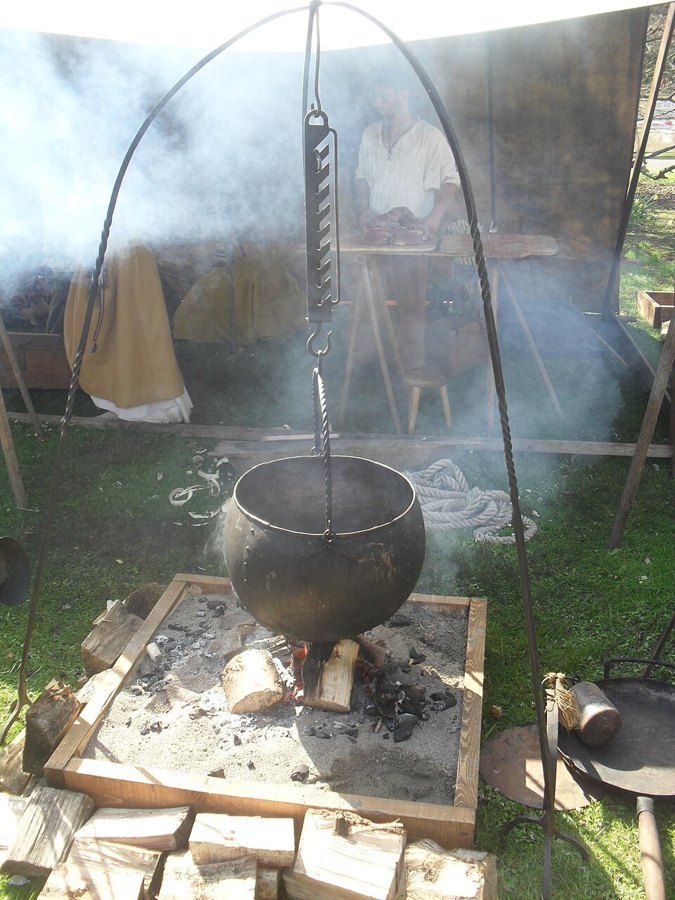
Food production followed the seasons. Farm households depended on crops and animals; people engaged in specialized work could also obtain food through buying and exchange. Storage and planning mattered because availability changed during the year.
From evidence to a modern recipe
A modern dish using known ingredients is a possible interpretation. It does not establish the original quantities, preparation sequence, flavor, or occasion. Ask whether a recipe comes from a surviving text, an archaeological interpretation, or a present-day experiment.
Try reading a food claim critically
If a headline says “the Vikings ate this,” look for its place and date. Then ask what was actually found: seeds, bones, residues, a cooking vessel, or a later written description. These clues answer different questions.
The Evidence
The sources below support this article. Interpretations and limits are explained in the text; this is not an exhaustive research review.