
Life & Society · Introduction
Enslavement belongs in the Viking story
In Brief
Viking-Age society included enslaved people. Their labor, captivity, and trade must be considered alongside the more familiar stories of travel and craftsmanship.
People treated as property
The National Museum of Denmark describes the capture and sale of people through networks reaching the British Isles and eastern Europe. Enslaved people could work in households and agriculture.
Unequal evidence
Written accounts and legal material are central to studying enslavement. The people subjected to it seldom left their own accounts. Archaeological interpretations can add evidence, but a proposed identification needs its context explained.
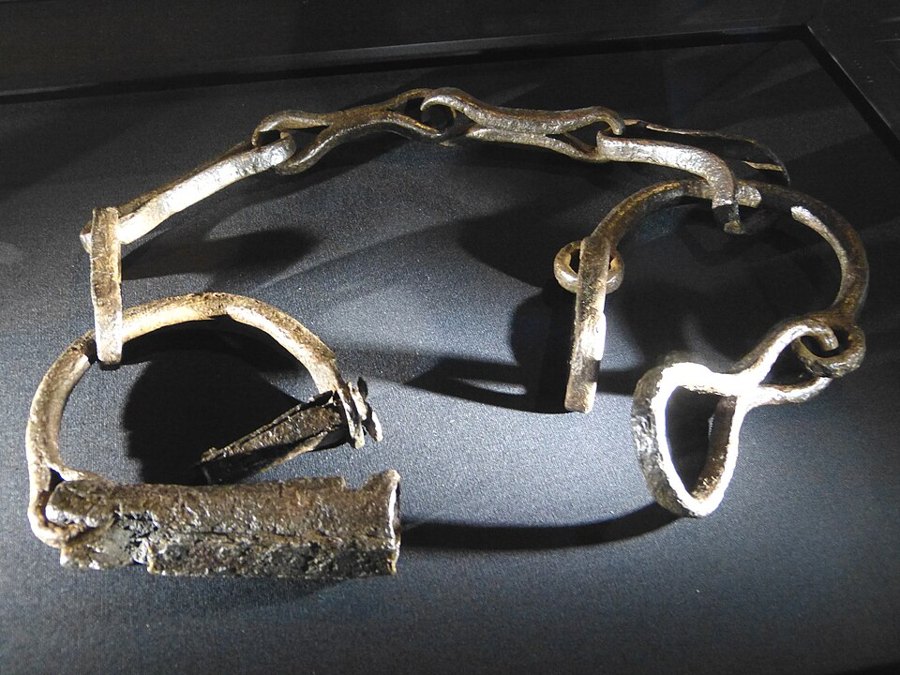

A fuller history
Celebrating a ship or an object without asking who supplied the labor leaves an incomplete picture. Social position changed what people could choose and how they experienced the same world.
Could an enslaved person become free?
Yes. Enslaved people could be released by an owner or have freedom purchased for them. The Hørning runestone commemorates a man associated with granting Tóki freedom. That does not make slavery a flexible or benign institution: dependence and unequal standing could continue after release. The important distinction is between recognizing that manumission occurred and assuming that freedom erased every social disadvantage.
Continue with manumission and the limits of later legal evidence.
Sources: National Museum of Denmark: slaves, thralls and freed people.
The Evidence
The sources below support this article. Interpretations and limits are explained in the text; this is not an exhaustive research review.