Life & Society · Introduction

Women, Keys, and Household Authority

In Brief

A decorated key and a public memorial open different windows onto women’s responsibilities. Neither gives us a single experience shared by every woman in the Viking Age.

On this page

A key can be more than a toolA named woman in a public messageWho commissioned remembrance?Sources

A key can be more than a tool

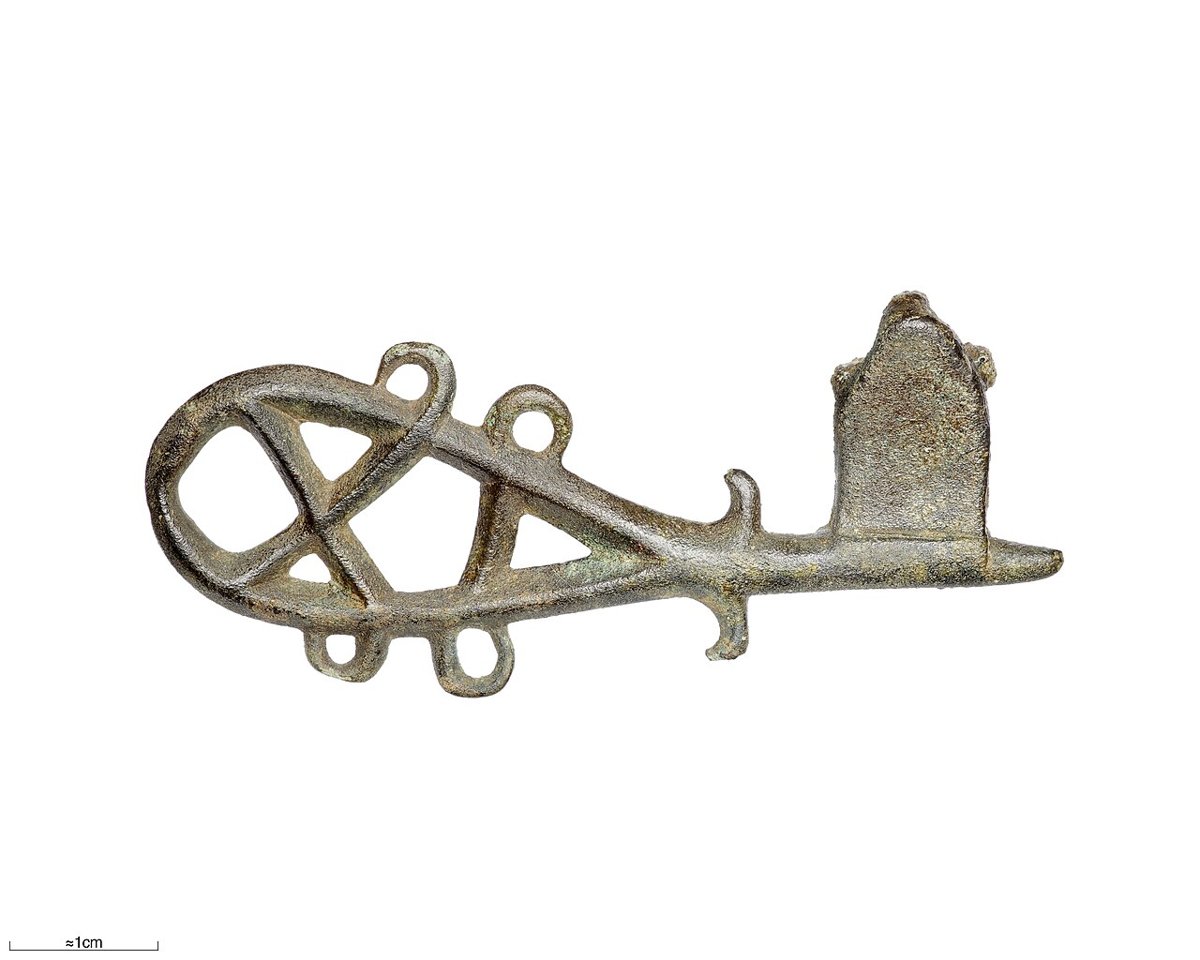
The Swedish History Museum connects keys worn on clothing with responsibility for a household. Some surviving examples are elaborately decorated and show little wear, suggesting a symbolic role as well as a practical association with locks. A key might express authority without having opened a particular chest every day.

The museum describes a free mistress of the household sharing responsibility for the farm and family. In a husband’s absence, or after his death, she could take charge of the people and resources there. This authority operated within an unequal society: the household could include both free and enslaved people.

A named woman in a public message

The Hassmyra runestone, cataloged as Vs 24 by the Swedish National Heritage Board, commemorates Óðindísa. The Swedish History Museum labels the same inscription Vsm 24; these are two references to the same stone, not separate monuments. Her husband Holmgöt praised her management of the estate. The monument gives us something a key cannot: a personal name and an explicit statement about responsibility. It is also a tribute chosen by a commemorator, rather than an independent assessment of daily life.
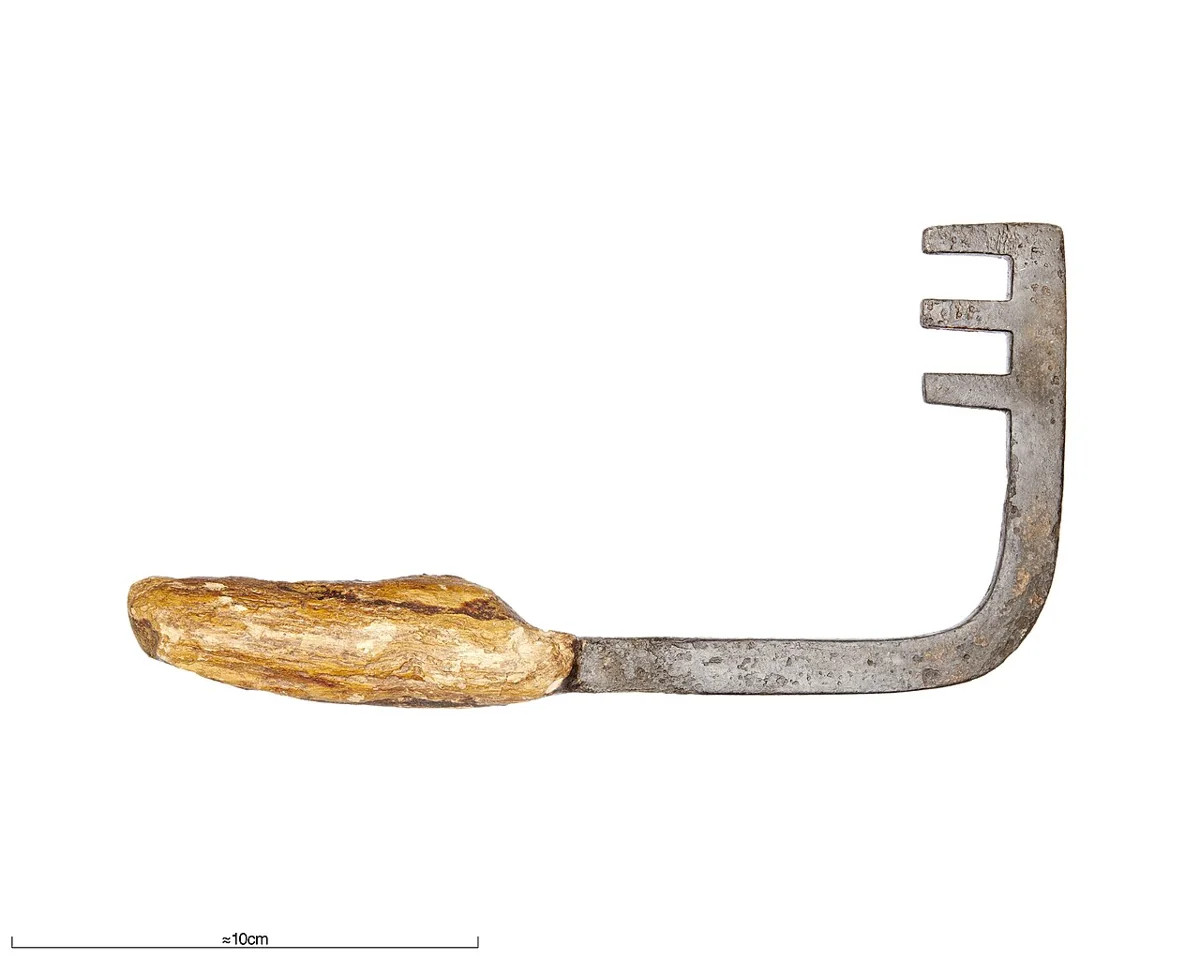
A key from Mästermyr
A key from the Mästermyr find, Swedish History Museum, object 107147_HST. Locks and keys offer material evidence for access to stored possessions.Image: Ola Myrin, Historiska museet/SHM · CC BY 4.0

Who commissioned remembrance?

Women also commissioned runestones themselves. The Swedish History Museum presents a monument raised by Unna for her son Östen, carved in the later eleventh century. Its Christian prayer combines family remembrance with religious expression. A woman appears here as the person arranging a visible public act.

Later sagas offer another kind of evidence. Njál’s Saga, written in thirteenth-century Iceland, gives women important roles in family conflict. Its literary characters cannot be used as straightforward biographies of Viking-Age women. Read the story with its composition date in view, then compare its concerns with contemporary monuments.
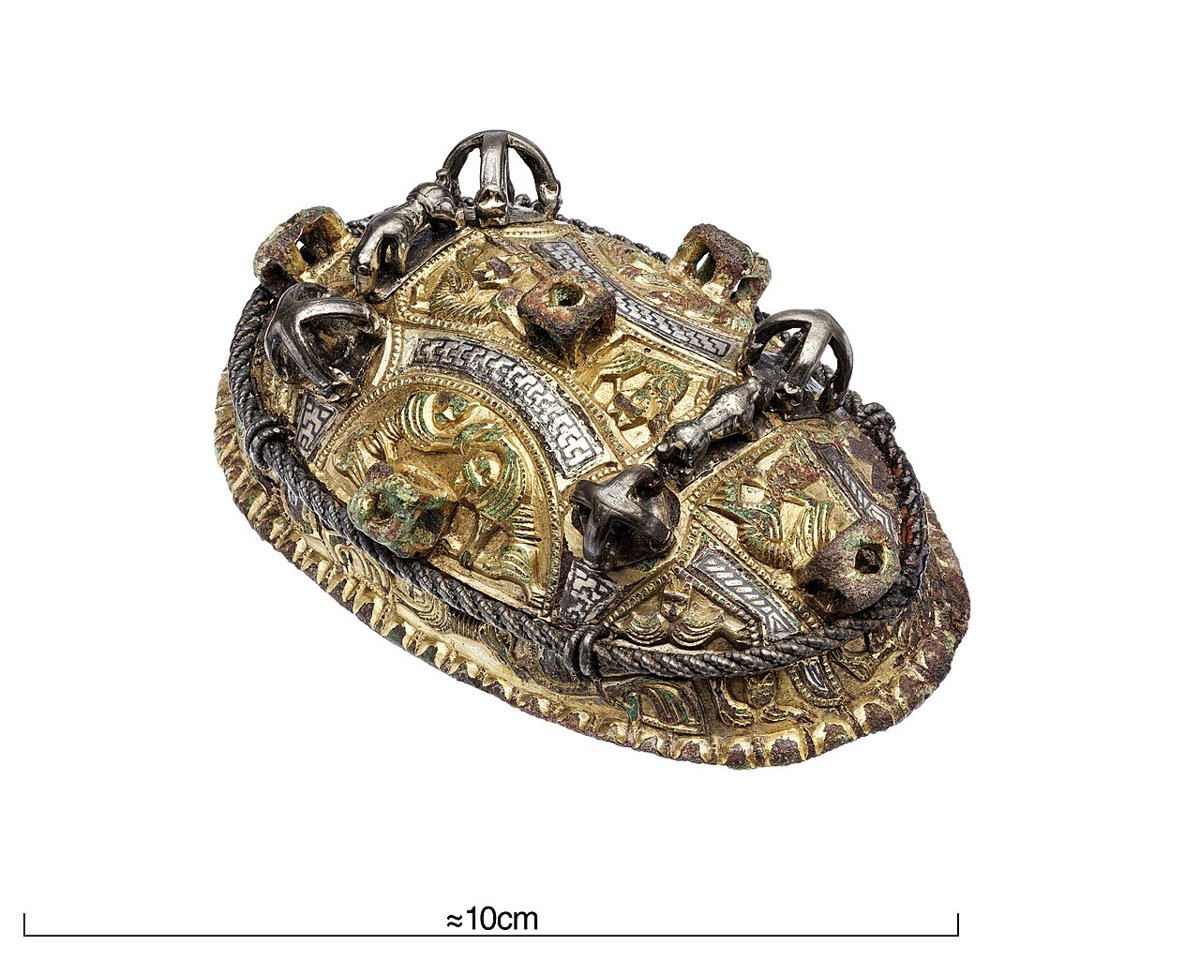
Oval brooch
Oval brooch, Swedish History Museum, object 529520_HST.Image: Ola Myrin · CC BY 4.0
Turning key
Turning key, Swedish History Museum, object 107668_HST.Image: Ola Myrin · CC BY 4.0
Beads and accessories from Gotland
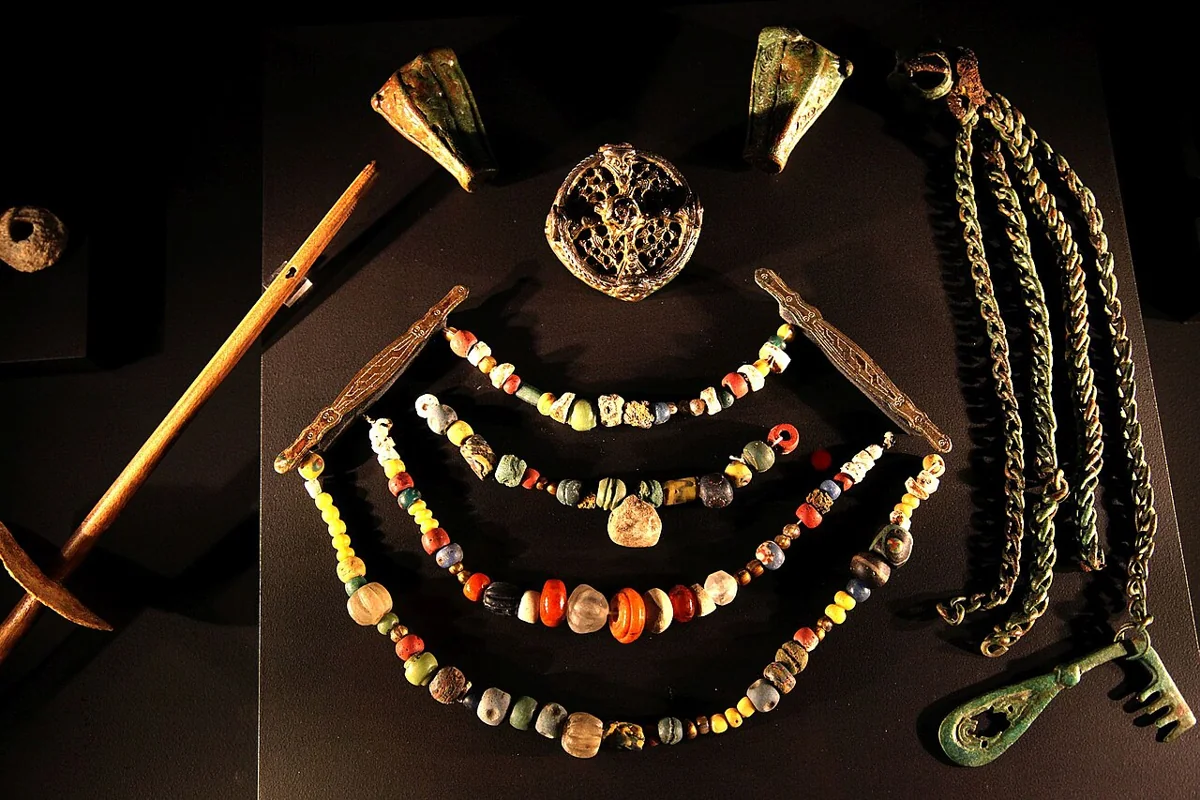
Beads and associated objects from a Gotland grave find, displayed in Sydney in 2013. The group includes a spindle whorl, a box-shaped brooch and suspended household accessories.Image: JC Merriman · CC BY 2.0

The Evidence

The sources below support this article. Interpretations and limits are explained in the text; this is not an exhaustive research review.

  1. Swedish History Museum — The key, a symbol of responsibility ↗
  2. Swedish History Museum — Women in the Viking Age ↗
  3. Swedish National Heritage Board — Hassmyra runestone (Vs 24) ↗

Explore further · Updated October 17, 2026

Marriage, Kinship and the People in a Household

A household was a place of relationships and obligations. It should not automatically be pictured as a modern nuclear family wearing different clothes.

Kinship could connect both sides of a family

The Swedish History Museum describes kinship among free people through both maternal and paternal connections, with spouses retaining their family affiliations after marriage. Alliances and support mattered alongside rank and freedom.

This gives a better starting point than treating marriage as the erasure of one person’s previous relationships. It also explains why commemorative inscriptions can name several relationships. The family represented in a memorial is selected for a public purpose, not necessarily a complete list of the people living under one roof.

Sources: 1

Property and choice must be read together

Museum introductions discuss women’s roles in household management and the rights attributed to them in written sources. Such summaries do not establish modern equality or identical opportunities for every woman. Status, place and the date of a text remain essential.

For marriage or separation, distinguish a legal possibility from evidence that an individual could exercise it easily. A later Icelandic account cannot automatically establish the practice of a ninth-century Danish household. Our marriage-and-property article compares named cases precisely because a universal statement would conceal those differences.

Sources: 2

Belonging to a household did not guarantee freedom

Household labor might include people whose choices were restricted by enslavement. Nor does a shared burial automatically identify a harmonious family: the grave was arranged by survivors, whose interests affected what was displayed.

Read a household through several kinds of evidence. Objects and buildings show activities; inscriptions publicly name relationships; texts describe obligations and conflicts. A convincing account allows these sources to disagree. The new pregnancy guide adds the beginnings of life, where dependence and social position were already consequential.

Sources: 1, 3

Sources for this section

  1. Swedish History Museum: Kinship and hierarchy
  2. National Museum of Denmark: Women
  3. National Museum of Denmark: Slaves and thralls

Explore further · Updated October 17, 2026

Gender, Honor and Sexuality: Reading Difficult Evidence

Biological sex, social expectations, sexual behavior and personal identity are related questions, but the surviving evidence does not answer them in the same way.

An insult is not a modern identity category

The scholarly discussion Queer Vikings? examines ergi and related vocabulary in relation to honor, shame and sexual accusations. These words could attack a person’s standing through ideas about unmanliness, cowardice or sexual roles.

Translating such language with a single modern identity label loses its social purpose. An accusation can reveal what a speaker wanted an audience to condemn without proving the target’s behavior or self-understanding. Read the passage’s genre and circumstances before turning it into a population-wide attitude.

Sources: 1

Magic complicates a simple division

Bell’s 2021 review explores scholarship on magic and gender, including possibilities for interpreting practices that unsettled expected roles. Its language of possibility matters: an interpretive framework helps formulate questions but does not supply the biography of every ritual specialist.

Myths, later stories and graves must remain distinguishable. A shape-changing deity is not direct evidence for an individual’s everyday life. Conversely, a modern expectation that all roles were rigid should not decide in advance what the historical material is allowed to show.

Sources: 2

Birka Bj 581: establish each claim separately

The reassessment of Birka grave Bj 581 addresses a biologically female individual in a burial with an unusually martial assemblage. Its authors defend a warrior interpretation and examine objections. The biological finding, the grave’s presentation and the interpretation of a lived role are separate steps.

The grave cannot establish how common such lives were, nor disclose the person’s own gender identity or sexuality. It does challenge the habit of treating weapons as automatic proof that the buried person was male. Follow the evidence without turning one exceptional case into a universal rule in either direction.

Sources: 3

Sources for this section

  1. Queer Vikings? — scholarly discussion of honor and sexual categories
  2. Bell (2021): Magic, Genderfluidity, and queer Vikings, ca. 750–1050
  3. Price and colleagues (2019): Reassessing Birka chamber grave Bj.581

Take a closer look at the evidence

FacebookPinterestXEmail