
Beliefs & Stories · Introduction
Becoming Christian: change across generations
In Brief
Christianization involved rulers, missionaries, local communities, and changing practices. A royal conversion does not give a single date for everyone’s beliefs.
On this page
Faith and powerFollow the buildingsMore than one kind of evidenceA regional storySourcesFaith and power
The National Museum of Denmark explains Danish conversion in relation to royal authority and neighboring Christian powers. Political relationships helped shape the process, although an individual’s private convictions are harder to establish.
Follow the buildings
Early churches were often timber structures. Archaeological traces beneath later churches can reveal earlier phases that are no longer visible above ground.

More than one kind of evidence
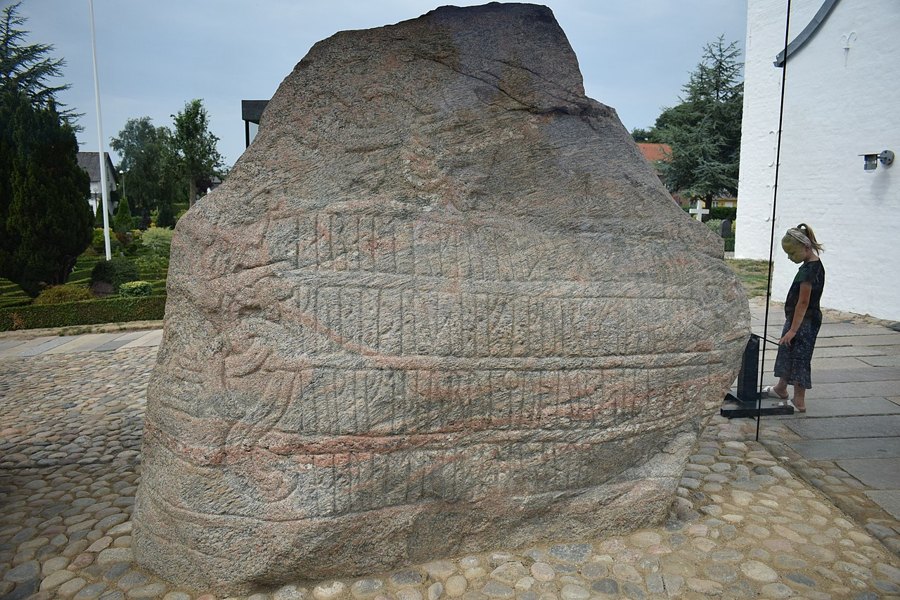
Burials, monuments, written accounts, and churches illuminate different aspects of change. A ruler’s public message and a household’s practices need not change at the same pace.
A regional story
This introduction focuses on Denmark. Extending it to all of Scandinavia would require separate regional evidence and chronology.
The Evidence
The sources below support this article. Interpretations and limits are explained in the text; this is not an exhaustive research review.