
Beliefs & Stories · Introduction
Norse beliefs and the stories that survived
In Brief
Our picture of pre-Christian religion combines objects, inscriptions, poetry, and later texts. No single source gives direct access to what every person believed.
Stories written later
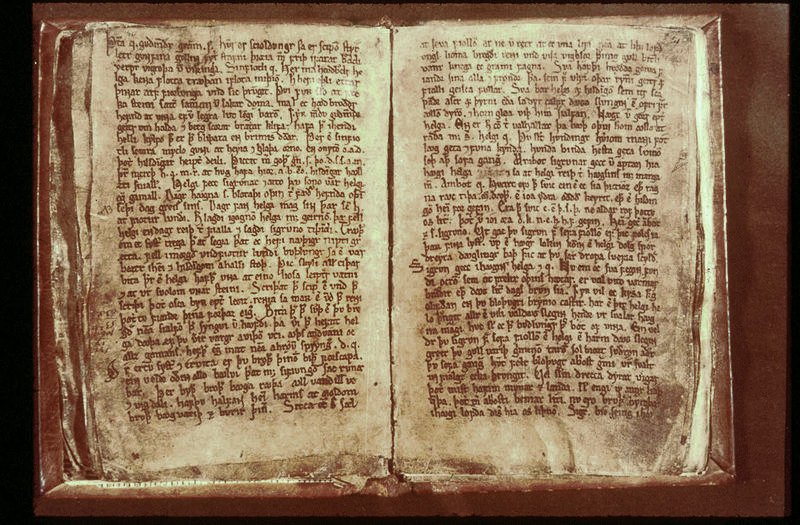
The Poetic Edda and Prose Edda are important sources for Norse mythology. Their medieval written settings matter: they cannot simply be treated as contemporary records of all Viking-Age religious practice.
Objects ask different questions
Hammer pendants and images interpreted as supernatural beings contribute material evidence. An object can help investigate religious expression, but its appearance does not disclose every intention of its maker or wearer.

Read a myth with its source
When following a story about Thor, Odin, or other beings, ask which text preserves it and when that version was written down. Keep the narrated world distinct from the evidence for lived ritual.
The Evidence
The sources below support this article. Interpretations and limits are explained in the text; this is not an exhaustive research review.