
Beliefs & Stories · Introduction
Yggdrasil: A Living World, Not a Fixed Map
In Brief
The world tree connects places, creatures, and fate. Reading its descriptions as poetry reveals more than forcing every detail into a single diagram.
On this page
A tree that connectsCreatures moving through the cosmosWhy modern maps differRead for relationshipsSourcesA tree that connects
Yggdrasil is a central image in surviving Norse cosmological traditions. The Swedish History Museum presents its branches and roots as links between the worlds of gods, people, giants, and the dead. This is a world expressed through relationships: above and below, center and edge, growth and damage. A tree is a particularly effective image because it can join distant places while remaining alive, vulnerable, and dependent on what happens around its roots.
Creatures moving through the cosmos
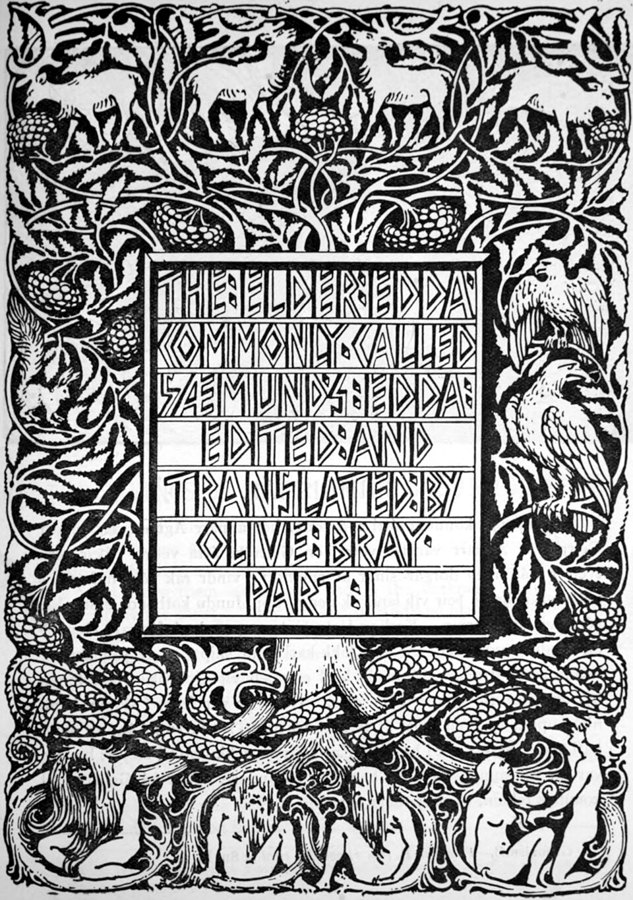
In Grímnismál, Yggdrasil is populated by animals rather than described as an empty framework. Ratatoskr moves along it, deer feed on it, and serpents are associated with the space below. The poem also describes the tree suffering harm. These details give cosmic order a sense of ongoing strain. The image is not merely a backdrop for divine adventures: the condition of the tree becomes part of the account of how the world endures.

Why modern maps differ
Illustrated introductions often supply nine clearly separated realms. Such pictures are useful teaching devices, but the texts do not function like a modern atlas with a consistent scale and an agreed legend. Grímnismál mixes names of dwellings, rivers, animals, and divine beings; its narrative setting is a revelation of knowledge, not a survey expedition. When comparing diagrams, ask which passage supports a placement and which connections have been added to make the picture easy to read.
Read for relationships
The museum’s account also places the norns and the well associated with fate beside the tree. For a first reading, follow the actions: who travels, who feeds, who guards, and what is damaged or sustained. This approach preserves the vividness of the imagery without claiming that every Scandinavian community shared an identical model of the universe. It also helps explain why a single clean diagram can feel incomplete. The surviving descriptions are interested in life, danger, knowledge, and destiny as much as in where one realm ends and another begins.
The Evidence
The sources below support this article. Interpretations and limits are explained in the text; this is not an exhaustive research review.