

Journeys & Encounters · Focused study
Constantinople in 860: Photios, Preaching, and the Memory of an Attack
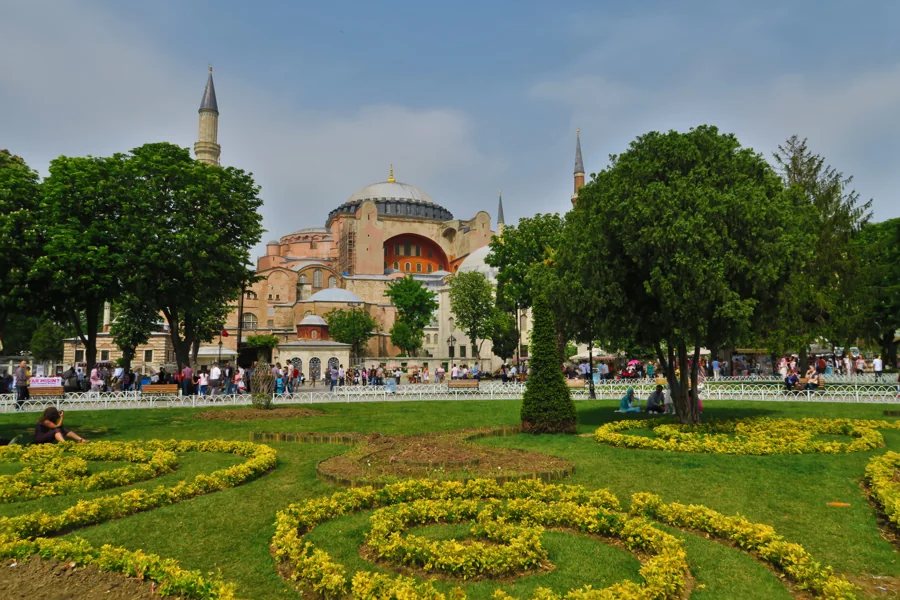

In Brief
The Rus attack of 860 is known through Byzantine voices as well as later histories. Comparing sermons with subsequent miracle stories shows why the date of a source and its literary purpose matter.
On this page
An event preserved in sermonsLater accounts and miraculous deliveranceTwo different historical questionsSourcesAn event preserved in sermons
Two homilies of Patriarch Photios concern the Rus attack on Constantinople in 860. Cyril Mango’s edition made these texts available with an introduction, translation, and commentary. A scholarly review emphasizes both their historical importance and their character as Byzantine preaching. These are not incidental differences of style. A preacher addresses an audience’s conduct, fears, and religious obligations; he does not necessarily supply the commanders, distances, or casualties that a modern military historian would prefer. Their closeness to the event gives the homilies particular value without making them neutral observations.
Sources for this section: 1
Later accounts and miraculous deliverance
The King’s College London prosopographical record for Photios lists later narrative traditions in which the patriarch and emperor pray at the church of the Virgin at Blachernai, take a sacred garment to the water, and obtain deliverance when a storm destroys the attackers’ boats. Importantly, the entry identifies the sources behind that report. It does not make every detail an independently verified fact. Readers should preserve the attribution: these are claims made within particular Byzantine narratives about divine protection and the capital’s safety.
Sources for this section: 2
Two different historical questions
We can ask what happened to the city, and we can ask how Byzantine writers understood or remembered its escape. Those questions overlap but are not identical. The sermon collection helps investigate an immediate religious response; later miracle narratives show how protection of Constantinople was represented. Our comparison does not require deciding that one entire source is true and another worthless. It requires refusing to splice them into a seamless eyewitness film. Even where a storm is described vividly, its narrative precision is not meteorological verification. For a Viking history site, the episode also reverses the usual viewpoint: the unfamiliar northern attackers appear through the concerns of people defending an imperial city, rather than through a saga hero’s imagined adventure.
Sources for this section: 1, 2
The Evidence
The sources below support this article. Interpretations and limits are explained in the text; this is not an exhaustive research review.