
Research & Sources · Introduction
Hoards: Why the Arrangement Matters as Much as the Silver
In Brief
The Galloway Hoard shows how bundles, inscriptions, and burial order can preserve evidence that a treasure total misses.
On this page
Start with the depositBundles preserve actionsNames complicate the label VikingWho hid it, and why?SourcesStart with the deposit
A hoard is often introduced through its monetary value or the weight of its precious metal. Archaeologically, the arrangement can matter just as much. Were objects deposited together or in separate packages? Were textiles used to wrap them? Were some pieces already old? The Galloway Hoard, buried around 900 and discovered in southwest Scotland in 2014, preserves unusually rich evidence for asking these questions. Its contents were assembled and prepared, not simply poured into a hole.
Bundles preserve actions
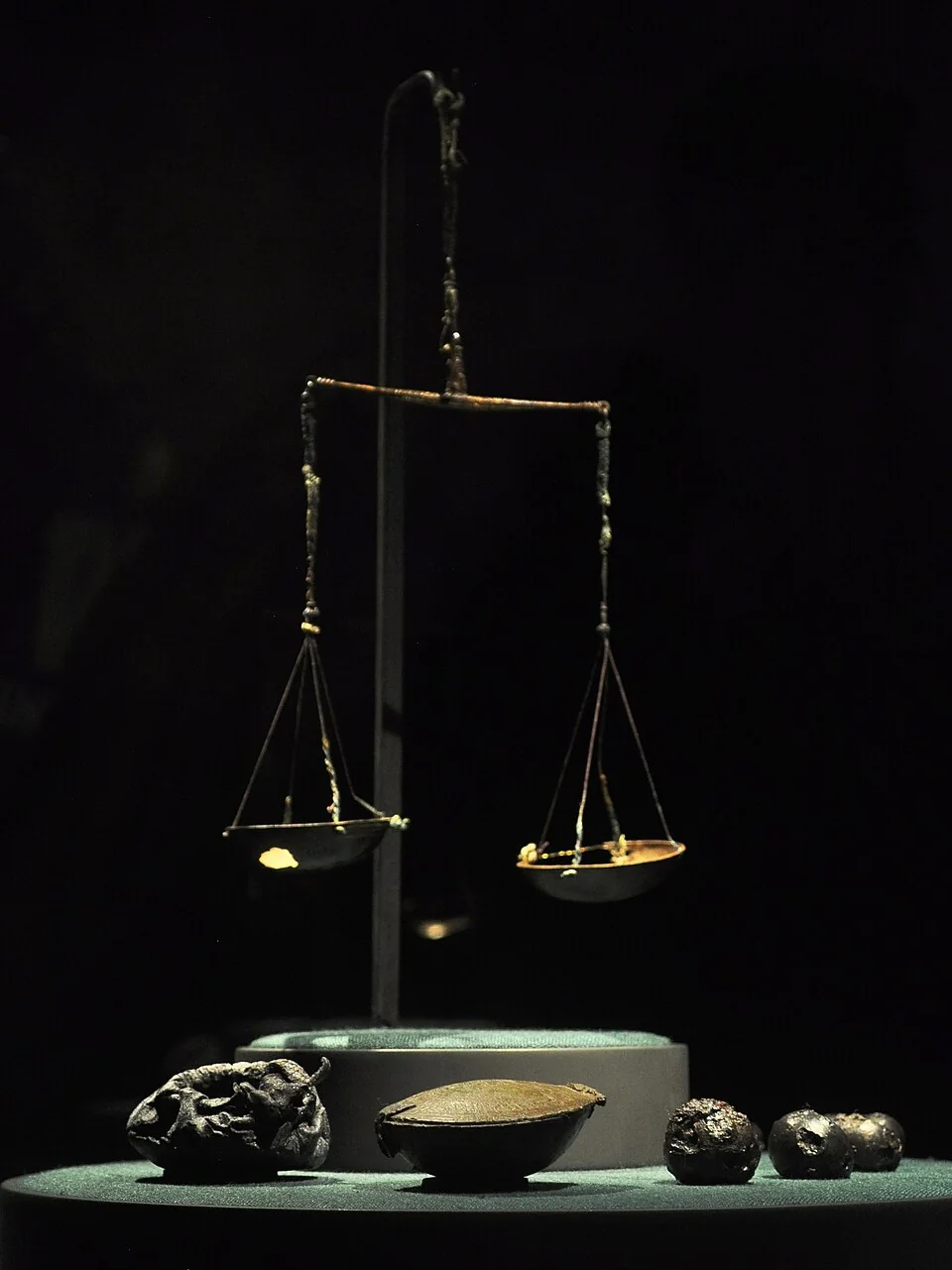
National Museums Scotland’s research project examined organic materials as well as silver and gold. Textile and leather remains document containers and wrappings that would normally be lost. Separate groups allow researchers to investigate stages in the preparation of the deposit. This changes the central question from “How wealthy was the owner?” to “How were these different things gathered and treated?” Packaging can indicate distinctions between objects even when no written explanation of those distinctions survives.

Names complicate the label Viking
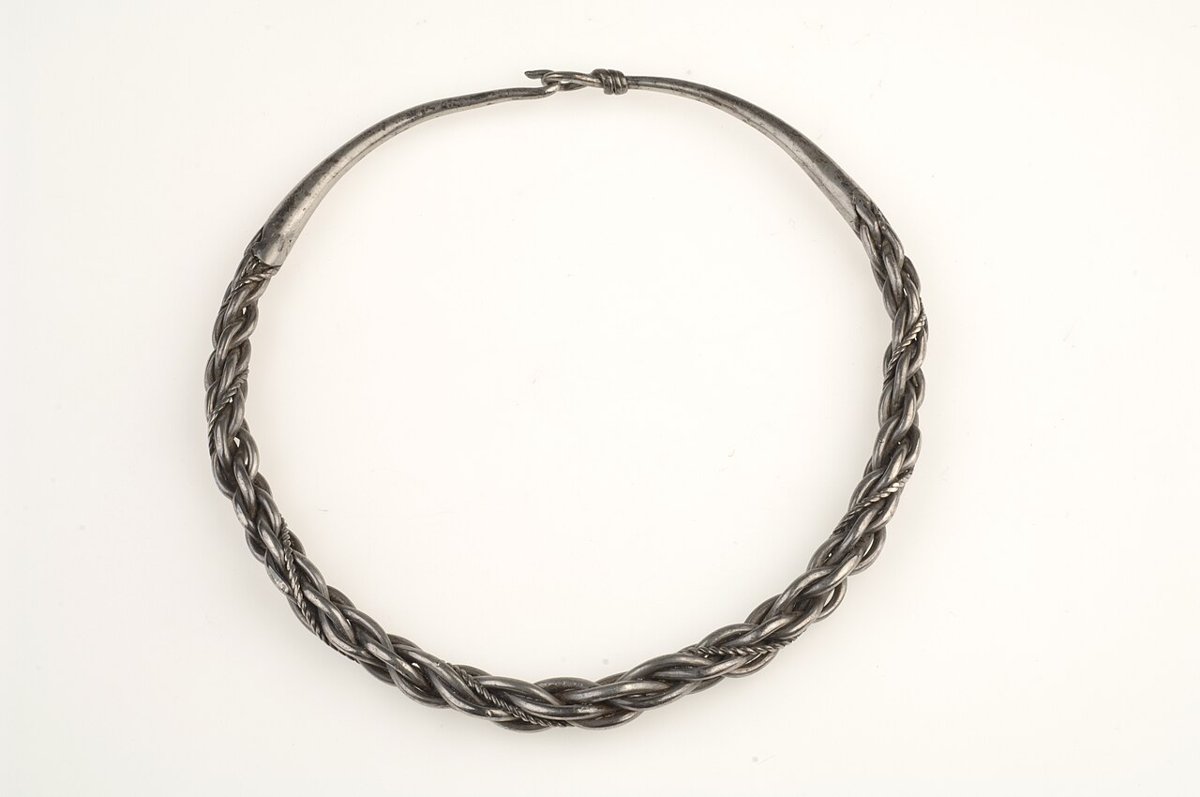
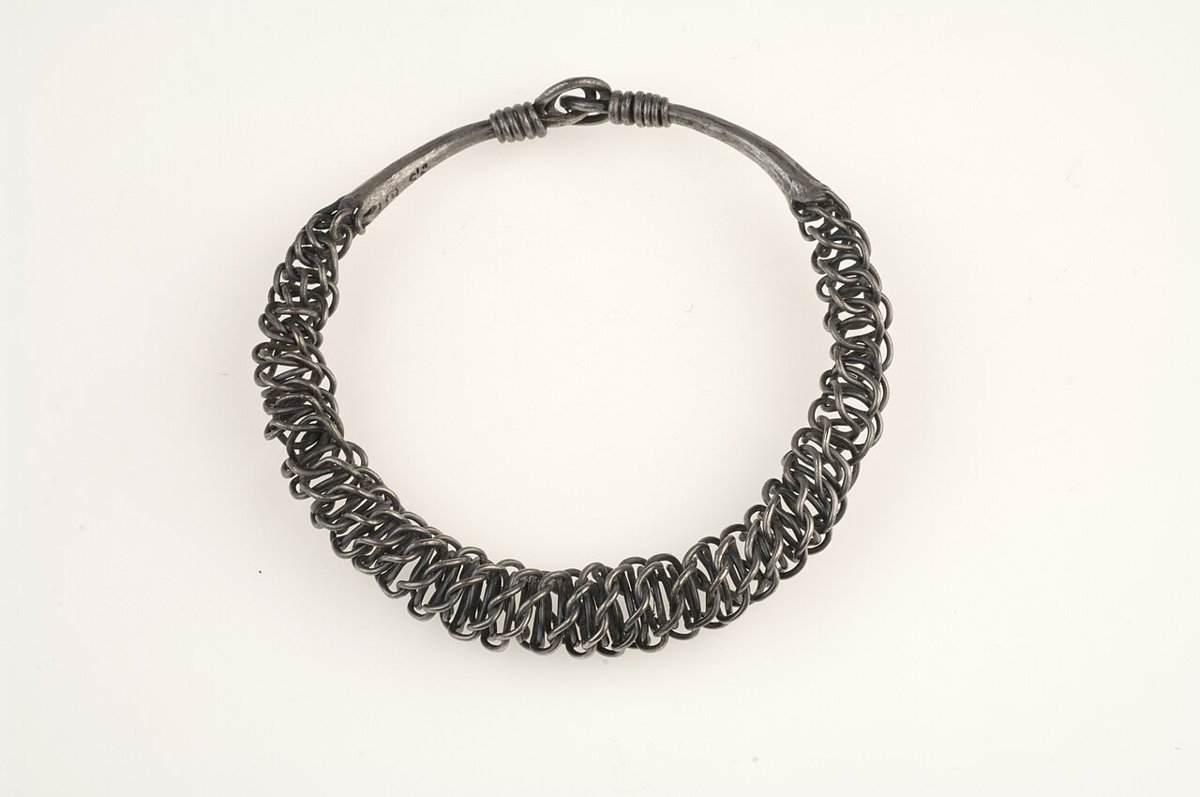
Runic inscriptions on several silver arm-rings use Anglo-Saxon script and Old English language. The museum’s account distinguishes inscriptions from the hoard itself from a separate inscribed fragment recovered nearby. That distinction matters: an object found in surrounding plowsoil cannot automatically be assigned to the buried group. The inscriptions also demonstrate that “Viking-age” dates a context more securely than it identifies the ethnicity of everyone involved. Runic writing was not confined to Scandinavia.
Who hid it, and why?
The lower deposit included groups of silver and a filled vessel; an upper group was placed above it. Such arrangements support discussion of deliberate concealment, but the intention behind burial cannot be read directly from precious metal. Protection, ownership, memory, and ritual are questions to investigate rather than interchangeable answers. A responsible account keeps the observable sequence separate from a proposed motive. It also recognizes that the people who made, inscribed, used, assembled, and buried the objects may have been different people living at different times.


The Evidence
The sources below support this article. Interpretations and limits are explained in the text; this is not an exhaustive research review.